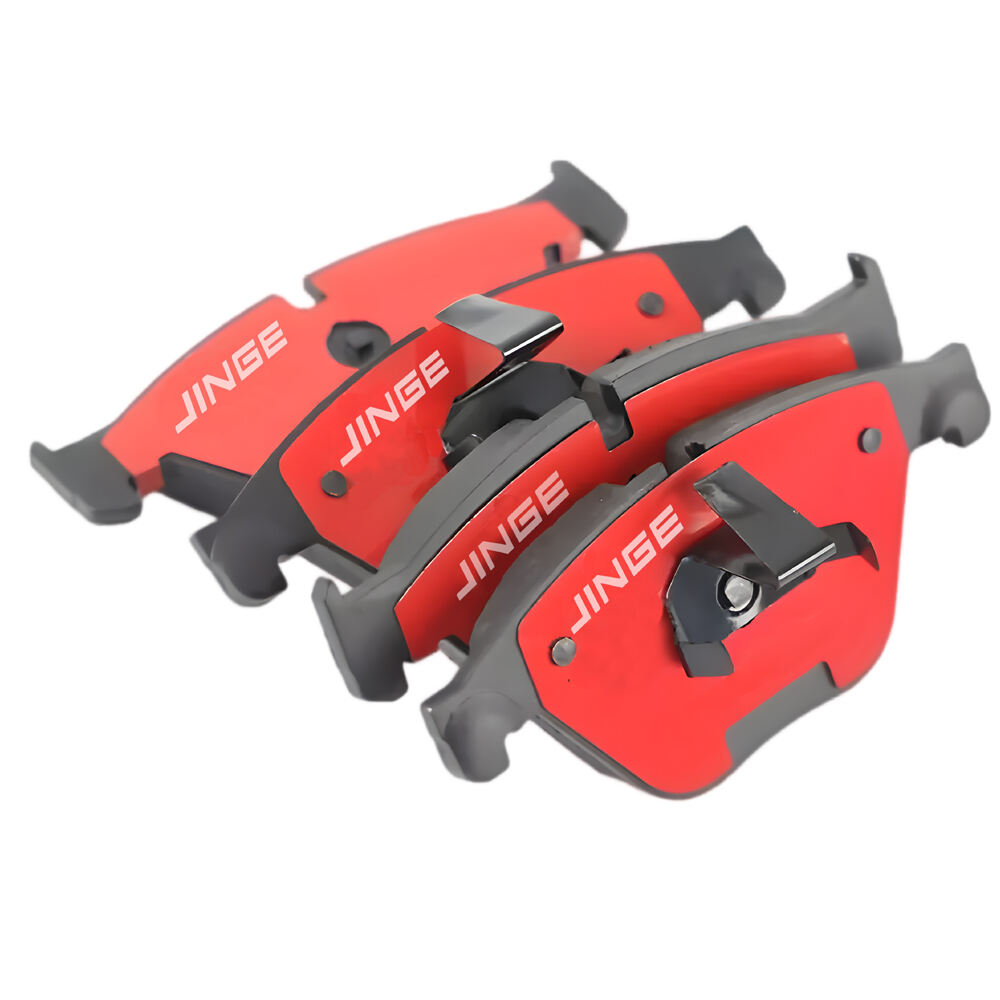
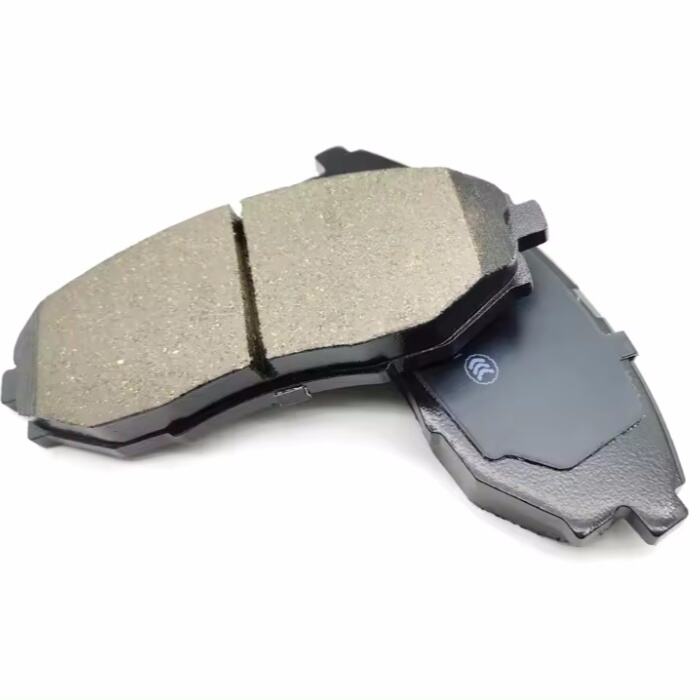
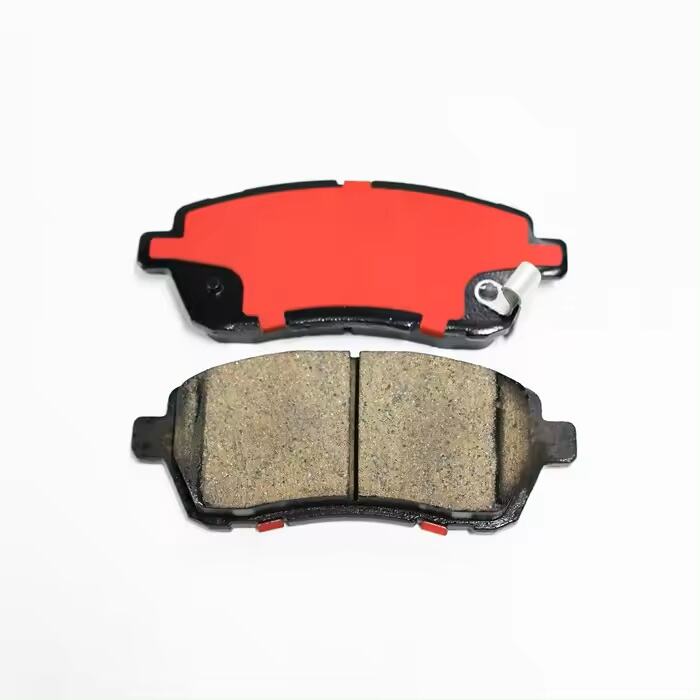
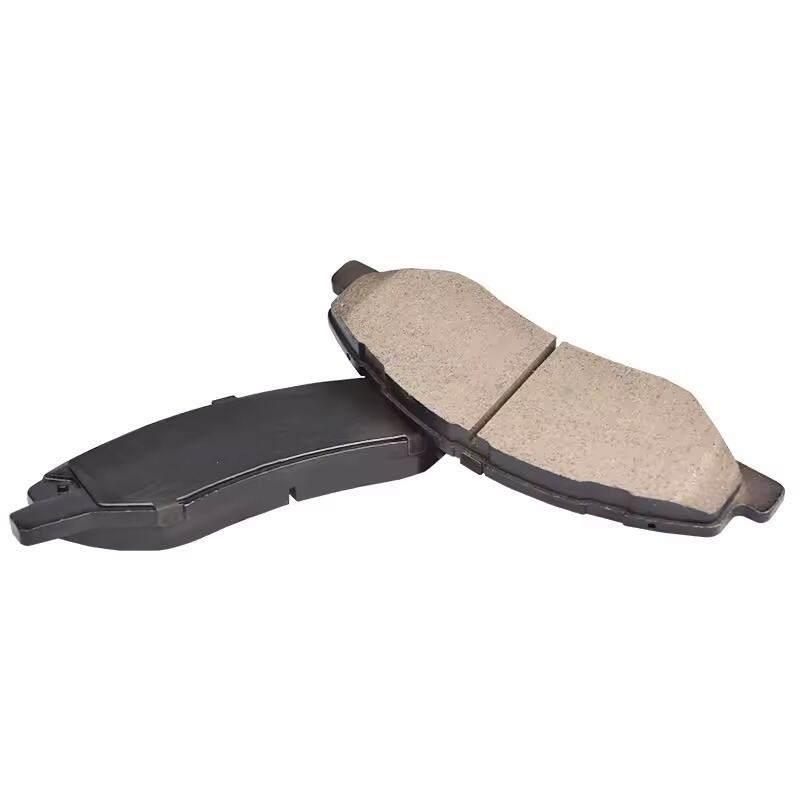
As the automotive industry advances towards higher levels of automation and connectivity, the specifications for brake pads become increasingly integrated with the vehicle's overall electronic control systems, requiring flawless and predictable friction performance for the proper function of features like adaptive cruise control and automated emergency braking. The tribology of brake pads—the science of interacting surfaces in relative motion—is central to their design, focusing on managing the thin transfer layer that forms on the rotor surface, a layer that must be stable and uniform to ensure smooth, quiet braking and to prevent pulsation. To combat noise, engineers employ multi-layered shims with viscoelastic properties that dissipate vibrational energy, and they design specific slot patterns on the pad's friction face to vent gases, prevent glazing, and break up resonance frequencies that lead to squeal. The certification process for brake pads, such as obtaining the E-mark (ECE R90), involves submitting products to an approved technical service for testing against a comprehensive set of criteria covering dimensions, shear strength, compressibility, friction coefficient, and effectiveness, a process that validates the product for sale across numerous international markets. In the realm of high-performance and motorsport, brake pads are developed using exotic materials like carbon-ceramic composites, which can withstand extreme temperatures exceeding 1,000°C, though such pads require specific operating temperatures to be effective and are not suitable for standard road use, illustrating the highly specialized nature of the field. The digital transformation is also reaching brake pads catalogs and selection tools, with manufacturers offering online portals and vehicle lookup applications that use VIN (Vehicle Identification Number) decoding to guarantee exact fitment, reducing the risk of incorrect part ordering and installation errors. A proactive approach to brake pads innovation involves participating in global automotive forums and standards committees, contributing to the drafting of industry-wide specifications that raise the bar for safety, performance, and environmental responsibility for all market participants. For fleet managers, the durability and consistency of brake pads are key operational metrics, directly affecting maintenance intervals and vehicle availability, making partnerships with reliable suppliers who offer proven products and dependable supply chains a strategic business decision. The environmental impact of brake pads is a growing area of research, with studies on airborne particulate matter from braking leading to new material developments aimed at reducing non-exhaust emissions, aligning the industry with broader goals for cleaner air and sustainable mobility. In conclusion, the development and selection of brake pads encapsulate a holistic engineering challenge, balancing the immutable laws of physics with the evolving demands of modern vehicles, regulatory frameworks, and environmental stewardship, all to deliver the dependable stopping power that is a non-negotiable foundation of automotive safety.

 EN
EN