EN
EN
Quick Links
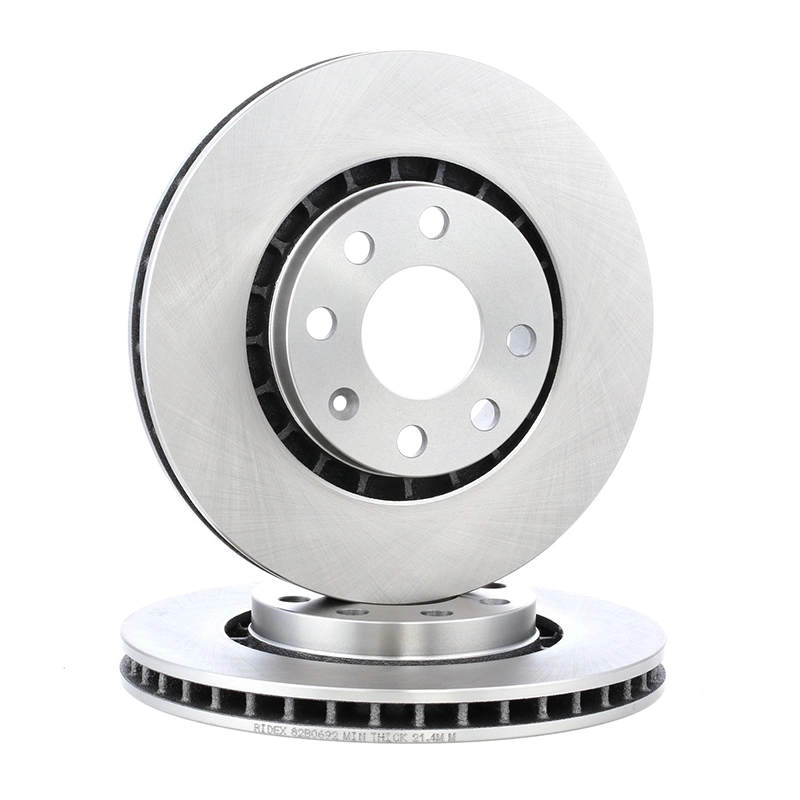
The global automotive industry is entering a new regulatory chapter, where emissions control extends far beyond the tailpipe. With the introduction of upcoming standards such as Euro 7 in Europe and CN7 in China, brake dust particulate emissions will be formally regulated for the first time. This shift marks a fundamental change in how braking systems are designed, manufactured, and evaluated—placing new responsibilities on manufacturers, suppliers, and aftermarket distributors worldwide.
Brake dust, generated through the friction between brake pads and discs, is a significant contributor to non-exhaust particulate matter. These fine particles can become airborne, impacting air quality and posing long-term environmental and health concerns. As governments tighten regulations, compliance will no longer be optional. Instead, it will become a prerequisite for market access and sustainable growth in both OE and aftermarket sectors.
A New Regulatory Reality for Brake Manufacturers and Suppliers
Euro 7 and CN7 standards signal a clear regulatory direction: controlling particulate emissions from braking systems is now a priority equal to exhaust emissions. For manufacturers and suppliers, this means traditional product designs and material choices must evolve rapidly.
The challenge lies in balancing multiple performance demands. Brake pads and discs must minimize particulate release while still delivering stable friction, consistent stopping power, low noise, controlled wear, and long service life. Achieving this balance requires more than incremental improvement—it demands advanced friction material engineering, precise manufacturing processes, and a deep understanding of real-world braking behavior.
For B2B buyers, these regulations redefine what “quality” truly means. Beyond price competitiveness, buyers must now evaluate suppliers based on their technical capability, regulatory readiness, and long-term commitment to compliance.
Innovation-Driven Solutions for Low-Dust Braking
Meeting new brake dust emission limits is not simply a matter of adding filters or coatings—it starts at the material level. Modern low-dust braking solutions depend on carefully engineered friction formulations that reduce particle generation at the source.
This includes optimizing raw material selection, controlling particle size distribution, and managing thermal behavior during braking. Manufacturers must also ensure that reduced dust output does not compromise braking safety, especially under high-load or high-temperature conditions.
At Jinge Technology, innovation has long been embedded into the manufacturing philosophy. With more than two decades of industry experience, the company has proactively invested in in-house R&D capabilities to anticipate regulatory trends rather than react to them.
By continuously upgrading material technology and testing methodologies, Jinge Technology develops brake pads and linings designed to significantly reduce airborne particulate emissions while maintaining dependable braking performance across diverse driving conditions.
In-House R&D Built for Rapid Regulatory Adaptation
One of the most critical factors in navigating Euro 7 and CN7 requirements is speed—how quickly a manufacturer can adapt products to evolving standards. Jinge Technology’s dedicated R&D team enables rapid response to regulatory changes, ensuring products remain compliant as testing methods and thresholds are refined.
Through controlled laboratory testing and application-focused validation, the company evaluates friction behavior, wear characteristics, and dust generation performance under simulated real-world conditions. This integrated development process ensures that every product balances environmental performance with safety, durability, and driver comfort.
For distributors and aftermarket brands, this R&D capability translates into confidence: confidence that sourced products are not only compliant today, but also prepared for the next stage of regulatory enforcement.
Manufacturing Scale That Guarantees Consistency
Regulatory compliance is not only about design—it is also about execution at scale. Consistency across millions of units is essential when supplying regulated markets. Even minor variations in material composition or process control can affect particulate emissions and overall performance.
As a leading enterprise producing 33 million brake discs annually, Jinge Technology combines advanced manufacturing automation with strict quality control systems. Every production stage—from material processing to final inspection—is monitored to ensure uniform performance and regulatory alignment.
This large-scale capability allows the company to support global distributors with stable supply, consistent quality, and dependable lead times, even as demand for low-dust and compliant brake products continues to grow.
Supporting Global Aftermarket and OE Demands
The impact of Euro 7 and CN7 will extend well beyond vehicle manufacturers. Aftermarket suppliers and distributors must also ensure their product portfolios align with new regulations, particularly in regions where enforcement is expected to tighten rapidly.
Jinge Technology’s brake solutions are engineered for global application, supporting both OE replacement and aftermarket channels. Low-dust performance not only helps meet regulatory standards but also delivers tangible benefits to end users, including cleaner wheels, reduced brake residue, and improved overall driving experience.
By sourcing from a manufacturer with proven compliance focus, distributors can strengthen their market positioning, reduce regulatory risk, and offer products aligned with sustainability-driven purchasing decisions.
A Long-Term Partner for a Cleaner Braking Future
As brake dust emissions come under formal regulation, the industry is moving toward a new definition of braking excellence—one that integrates environmental responsibility with uncompromised performance.
Jinge Technology stands as a partner built for this future. Its combination of long-term manufacturing expertise, advanced R&D investment, and large-scale production capacity enables customers to navigate regulatory change with confidence.
Rather than viewing Euro 7 and CN7 as obstacles, the company sees them as catalysts for innovation and quality advancement across the brake industry.
Navigate New Regulations with Confidence
The next generation of emission standards is already reshaping procurement strategies, product development, and supplier selection. For B2B buyers, choosing the right partner today will determine competitiveness tomorrow.
Reach out to Jinge Technology to explore brake solutions designed to meet and exceed upcoming emission standards—and secure a compliant, performance-driven future for your supply chain.

Jinge Technology, established in 2002 in Shanghai. A top player in China\\\'s brake field. Annually manufactures 33M brake discs & 20M brake pad sets. Offers diverse brake components like pads, discs, calipers, shoes, and bearings. Serves 80+ countries, retains 800+ customers.
901,No1,998 Nong,Longshui North Road.Xuhui District Shanghai,China.
Copyright © 2024 by SHANGHAI JINGE TECHNOLOGY CO., LTD. Privacy Policy