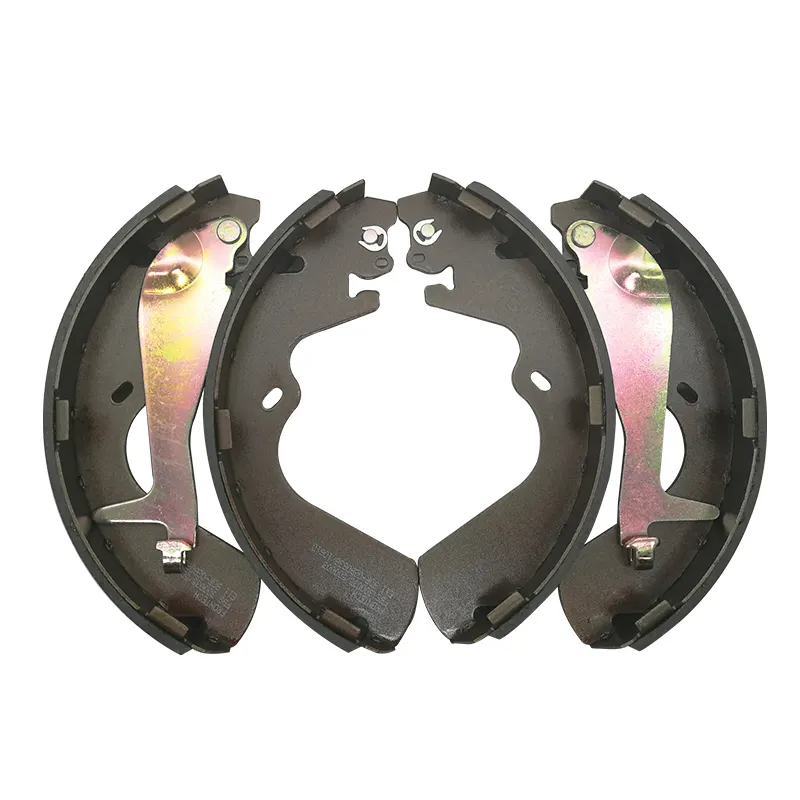
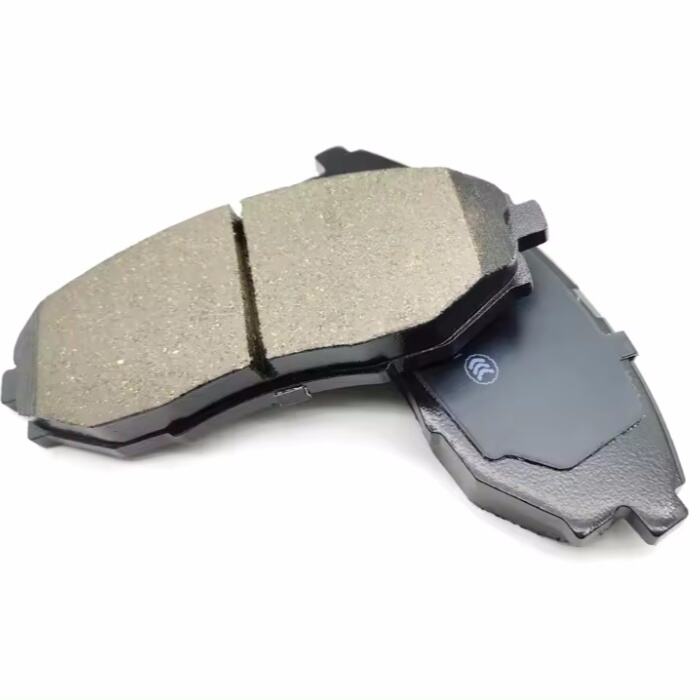
As a fundamental element of drum brake technology, the brake shoe's efficacy hinges on its ability to consistently apply friction material to the brake drum under varying loads and conditions. The shoe's architecture, including its ribbing and shaping, is optimized not just for strength but also to promote air circulation for cooling. The choice between riveted and bonded linings presents trade-offs: riveted linings may be easier to replace individually and offer slightly better heat transfer away from the lining, while bonded linings typically provide more usable material and a quieter profile. A significant performance characteristic of a brake shoe is its "bite" or initial friction response, which is carefully calibrated to provide confident pedal feel without being overly aggressive. Problems such as brake pulling can often be diagnosed by examining the brake shoes for uneven wear or different lining compounds inadvertently installed on the same axle. The shoe must also accommodate the action of the parking brake mechanism, which applies force through a separate lever, often integrated into one of the shoes. During service, it is critical to de-glaze the drum surface when installing new brake shoes to ensure proper bedding-in and to adjust the star wheel adjuster manually to bring the shoes close to the drum before finalizing assembly. For heavy-duty and commercial vehicles, brake shoes are subject to even greater stresses, necessitating robust designs and sometimes specialized lining materials with higher heat thresholds. In summary, an expert analysis of the brake shoe delves into its thermal management features, the practical implications of lining attachment methods, its role in overall brake system modulation and balance, and the detailed, safety-focused procedures for its inspection and installation, all of which are essential knowledge for ensuring optimal braking performance in the international automotive context.