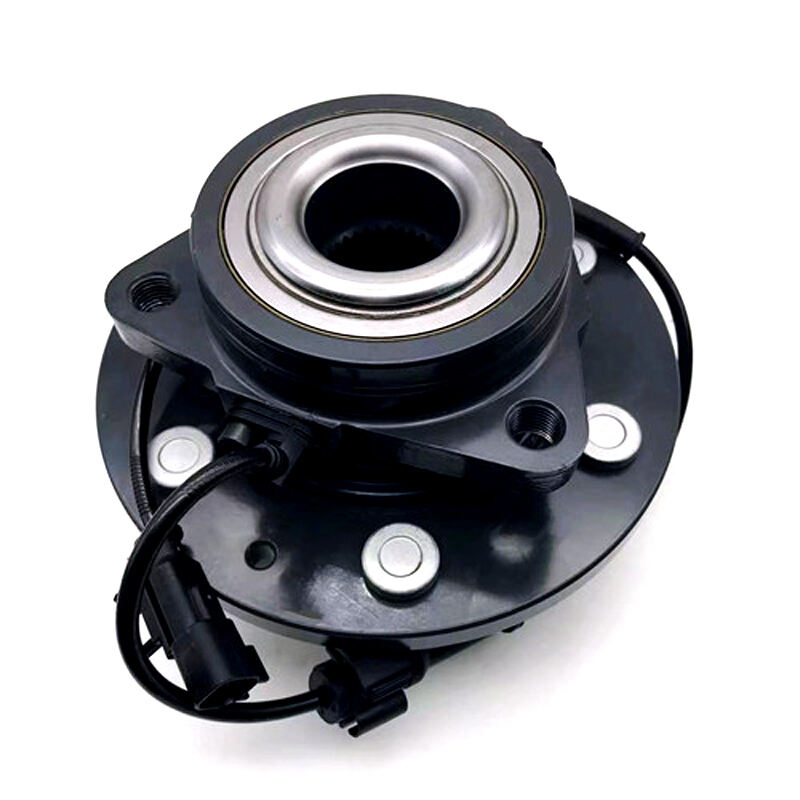

The wheel bearing is an essential element in automotive systems, facilitating effortless wheel rotation by reducing friction between the wheel hub and axle, while simultaneously bearing the vehicle's load and absorbing forces from road interactions. Constructed from high-grade steel with precision-ground rolling elements and races, this component is built for durability but inevitably wears due to constant stress, contamination, or inadequate lubrication, with early indicators including a low-pitched roaring sound that intensifies during turns or a noticeable looseness when the wheel is jacked up. Failure to address these symptoms can lead to increased heat generation, accelerated wear on tires and brakes, and potential safety risks like impaired steering control or wheel lock-up. Diagnostic approaches typically involve road testing to isolate noise patterns or physical inspections for play and smoothness of rotation, ensuring accurate problem identification distinct from issues with CV joints or unbalanced tires. Modern advancements have led to the prevalence of cartridge-style or hub assembly wheel bearings, which are pre-lubricated and sealed for life, simplifying service but demanding correct installation procedures to avoid damage to integrated ABS sensors or mounting surfaces. Selection of a replacement wheel bearing should focus on specifications such as dynamic load capacity, sealing technology to exclude contaminants, and compatibility with the vehicle's braking and suspension geometry, ensuring seamless integration and long service life. Moreover, the bearing's performance is interconnected with other components; for example, excessive runout can cause brake pulsation or affect wheel alignment, emphasizing its role in overall vehicle stability. Proactive maintenance, including periodic checks for noise or vibration and using OEM-quality parts during replacement, helps preserve optimal functionality, contributing to smoother rides and improved fuel efficiency. Ultimately, the wheel bearing's function extends beyond mere rotation—it is a key contributor to vehicular safety, handling precision, and driving comfort, making its proper care a fundamental aspect of responsible vehicle ownership and maintenance practices.