OE Brake Calipers for EVs & SUVs | 99% Fit Rate

All Categories

Brake Calipers: OE-Quality & Wide Fit for 99% Vehicles

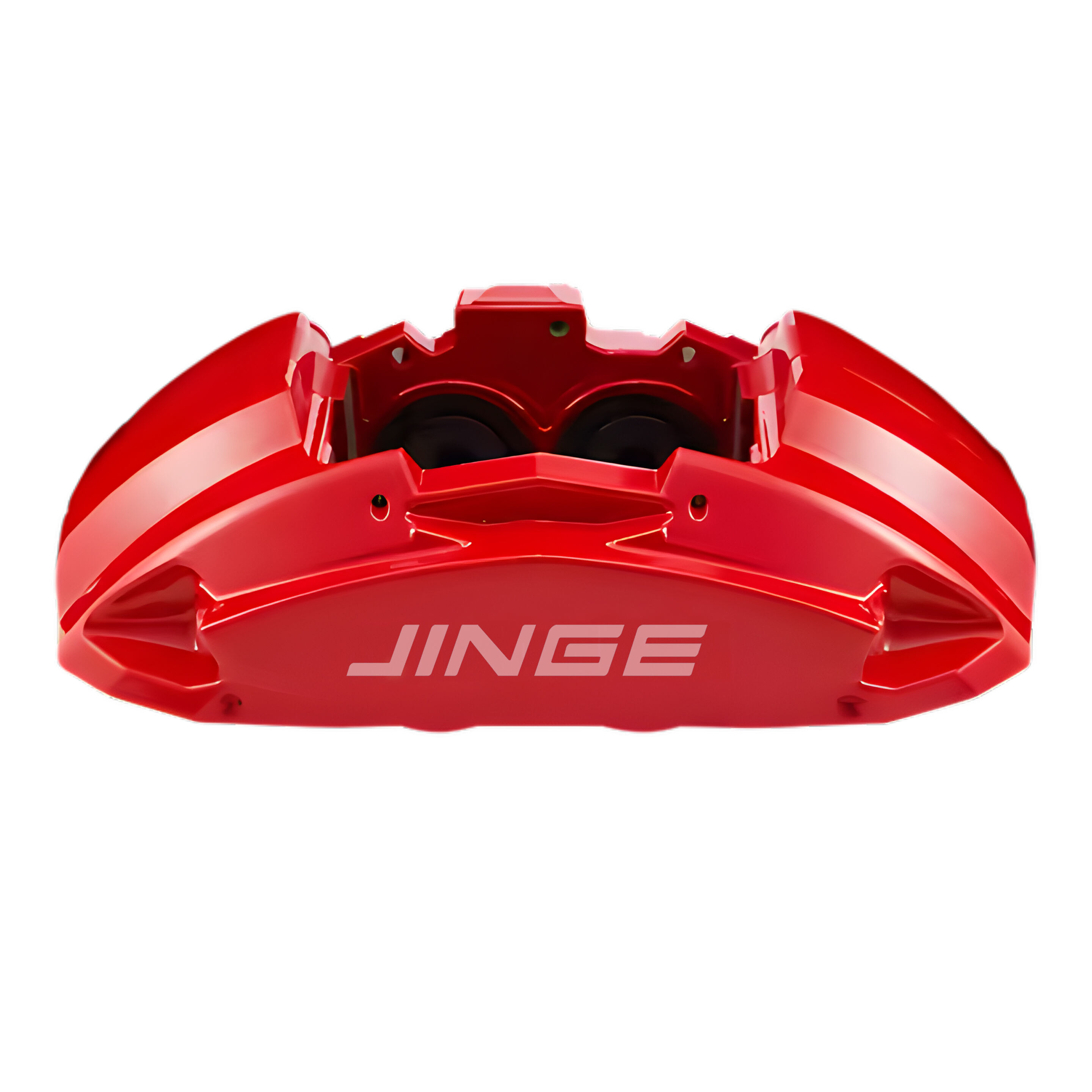
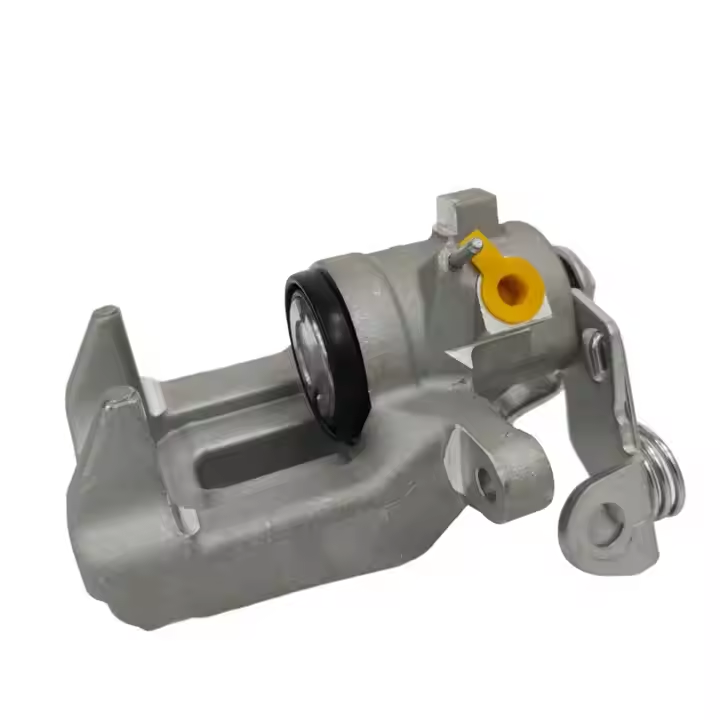
Our brake calipers adhere to strict OE Quality standards and are equipped with a comprehensive Quality Control System to ensure stable performance. 100% tested before leaving the factory and treated with eco-friendly processes, they fit over 99% of vehicles, including passenger cars, SUVs, and electric models. With rapid updates for new vehicle releases, these calipers reliably press brake pads against discs to achieve smooth and precise braking, suitable for daily commutes, highway drives, and even harsh urban traffic conditions.
Get A Quote

Why choose us?

High-Precision Piston for Stable Pressure Transmission

Equipped with high-precision pistons and sealed components, ensuring uniform pressure transmission to brake pads. It avoids uneven pad wear and ensures consistent braking force, enhancing driving safety. The sealed design also prevents fluid leakage and reduces maintenance needs.

Corrosion-Resistant Surface Treatment

Undergoes professional surface treatment processes such as electrophoretic coating or powder coating, providing strong corrosion resistance. It can withstand harsh weather conditions and road salt erosion, maintaining structural integrity and appearance for long-term use. It is suitable for diverse climatic environments globally.

Long-Lasting Performance with Durable Components

Uses high-quality aluminum alloy or cast iron housings and wear-resistant seals, ensuring long service life and reliable operation. It undergoes fatigue testing and durability trials to simulate years of use, ensuring it can withstand frequent braking cycles without performance degradation. It reduces replacement frequency and maintenance costs.

Related products

The brake caliper is an absolutely pivotal component within a modern automotive disc braking system, fundamentally responsible for the crucial conversion of hydraulic pressure into the mechanical clamping force that ultimately brings a vehicle to a halt. Operating as a sophisticated metal housing that straddles the spinning brake disc or rotor, its primary function is to house one or multiple pistons and a pair of brake pads. When the driver depresses the brake pedal, hydraulic fluid is forced from the master cylinder through a network of brake lines into the caliper, causing its pistons to extend and forcefully press the brake pads against both sides of the rotating rotor. This direct and controlled friction generates the immense heat and resistance necessary to decelerate the wheel's rotation, thereby transforming the vehicle's kinetic energy into thermal energy dissipated into the atmosphere. The design and engineering of brake calipers are paramount for optimal braking performance, with common variants including the simpler, lighter, and often single-piston floating caliper, which slides on pins or bushings to apply pressure from one side, and the more complex, multi-piston fixed caliper, which is rigidly mounted and uses opposing pistons for more even and powerful clamping force, frequently found on high-performance vehicles. Key to its long-term reliability is the integrity of internal seals, particularly the piston seals and dust boots, which prevent fluid leakage and contamination; failure here can lead to a soft brake pedal, reduced braking efficiency, or even complete brake failure. Furthermore, materials like aluminum alloys are extensively used for their favorable strength-to-weight ratio and heat dissipation properties, though cast iron is also common. For enthusiasts and professionals, understanding caliper maintenance—such as recognizing signs of stuck slide pins, piston seizure, or fluid seepage—is essential for vehicle safety. Regular inspections, timely cleaning, and lubrication of sliding components, along with ensuring the brake fluid is clean and free of moisture, are critical preventative measures to sustain peak caliper function. Ultimately, the brake caliper's precise operation directly influences braking feel, modulation, heat management, and overall stopping power, making it a subject of continuous refinement in automotive engineering to meet ever-higher demands for safety, durability, and performance across diverse driving conditions and cultural contexts where driving habits and vehicle maintenance philosophies may vary.

Frequently Asked Questions

What main automotive components are the core products?

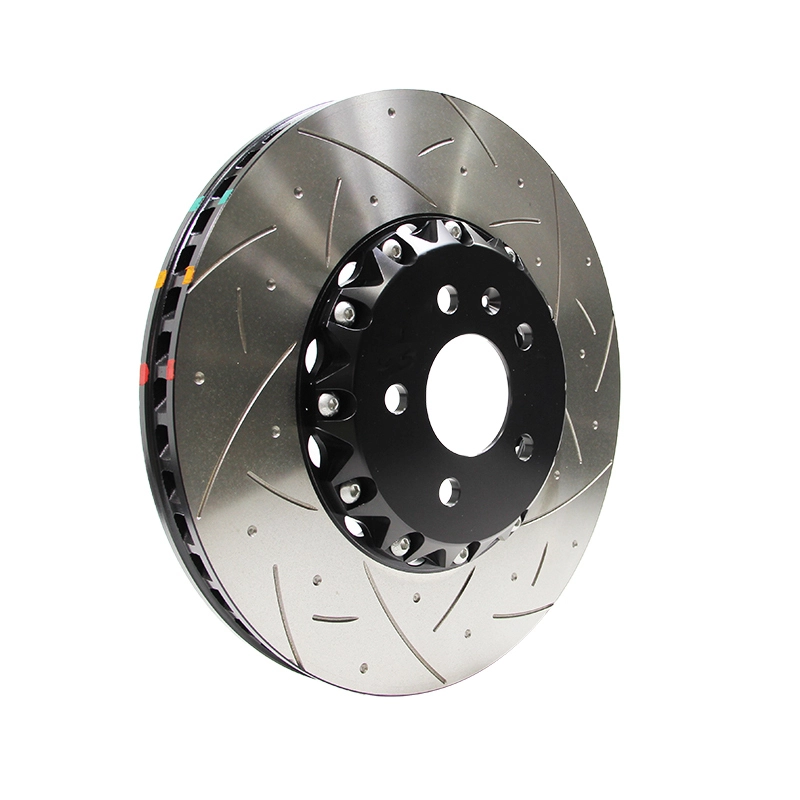
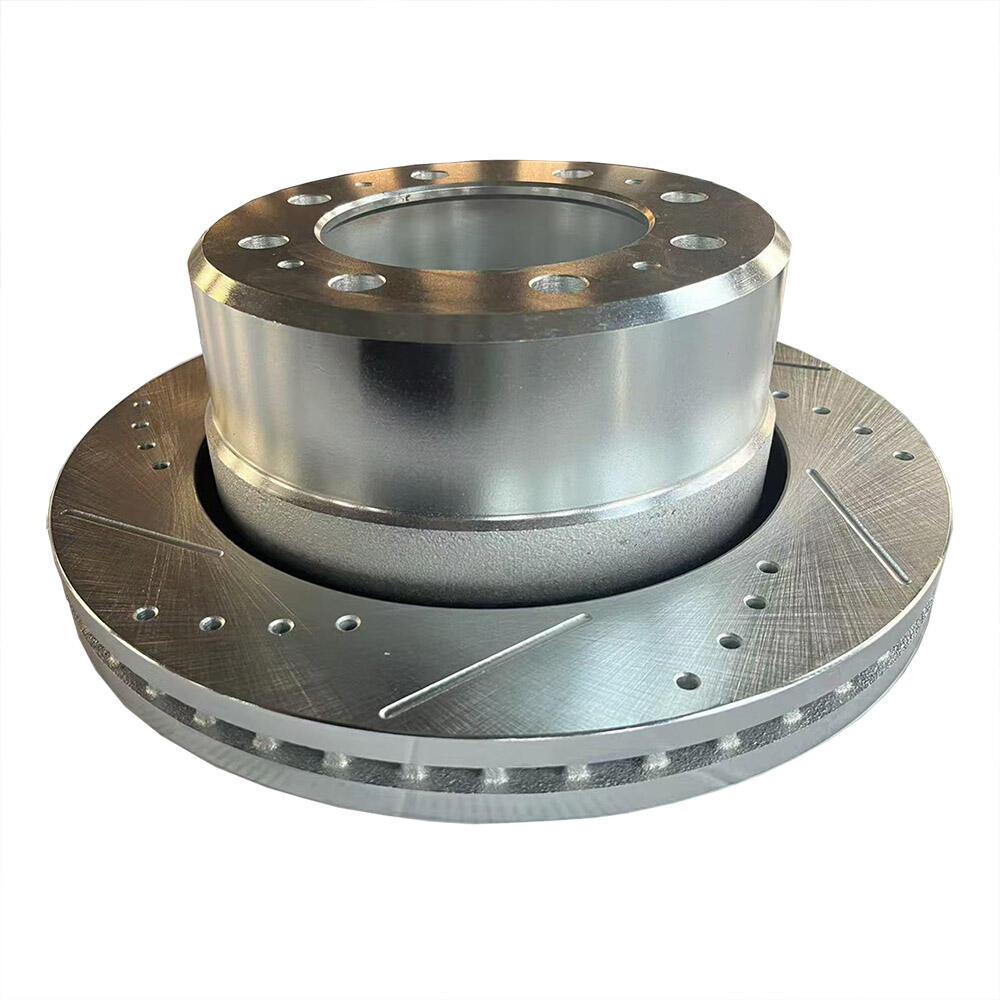
Core products cover a comprehensive range of braking and related parts, such as brake pads, brake discs (rotors), brake calipers, brake shoes, hub bearings, wheel hub bearings, wheel bearings, and brake drums, meeting diverse vehicle matching needs.
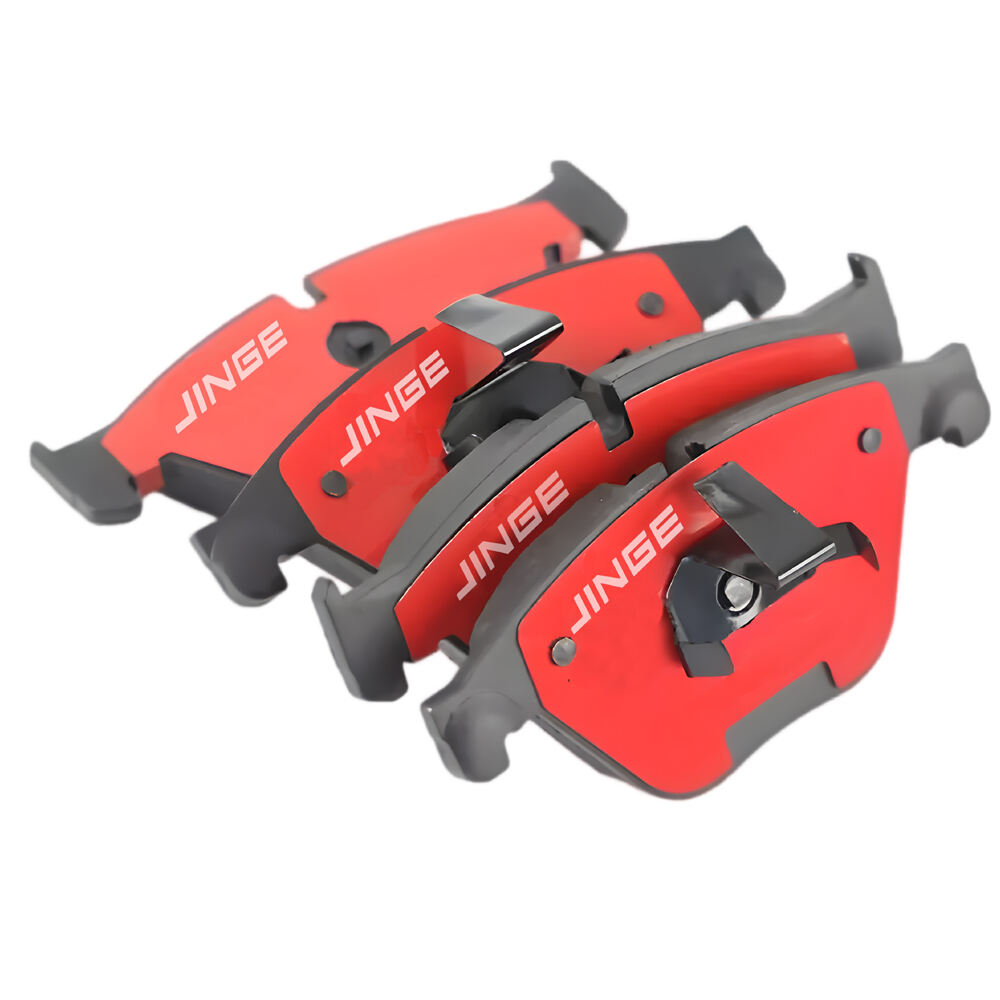
The brake pads boast over 2100 part numbers, with a model coverage rate exceeding 99%, enabling them to fit the vast majority of street vehicles on the market.
The sales network spans more than 80 countries and regions worldwide, establishing a broad international market layout and serving numerous customers across the globe.
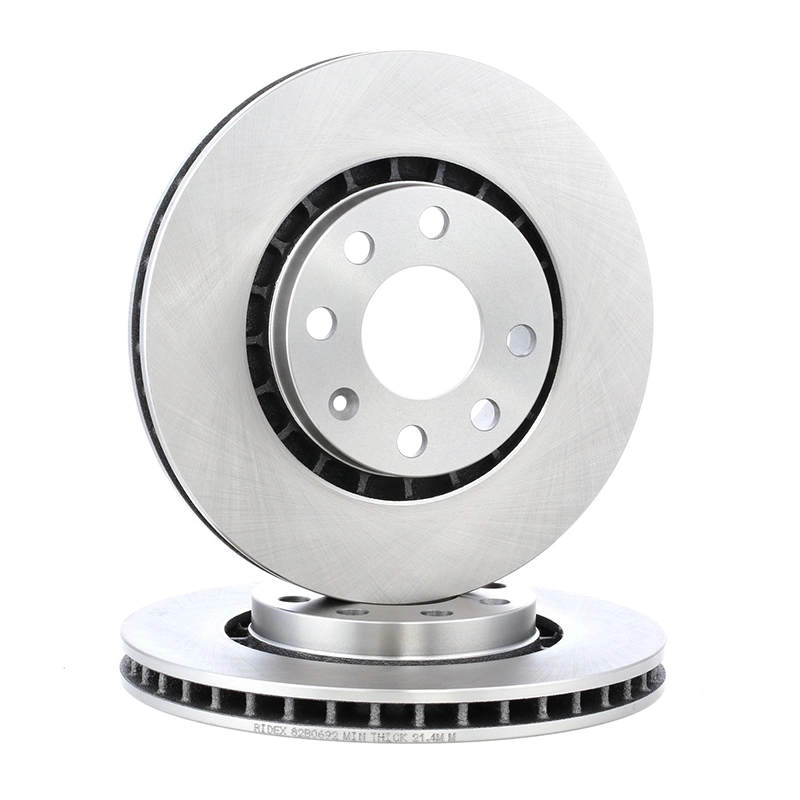
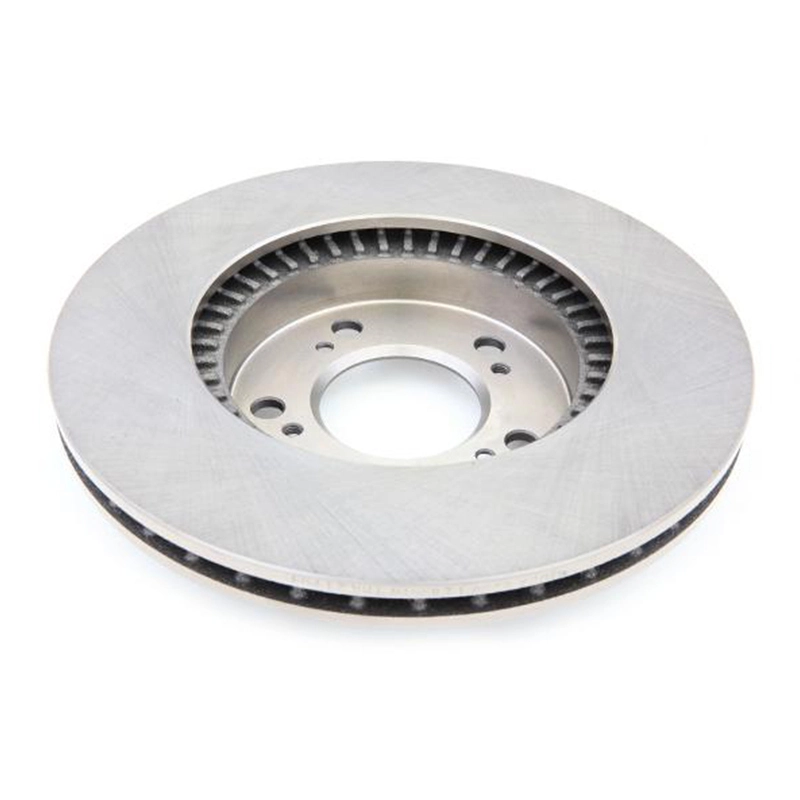
The brake discs undergo 100% balancing detection, adhere to OE Quality standards, are produced using imported advanced production lines for stable quality, have a model coverage exceeding 99%, and hold Emark Certification, ensuring excellent braking efficiency.

Related Articles

Exploring the Heart of Braking: A Deep Dive into JINGE's High-Performance Brake Pads

20

Nov

Exploring the Heart of Braking: A Deep Dive into JINGE's High-Performance Brake Pads

The Science of Friction: How Brake Pad Materials Define Performance Understanding Friction Materials and Brake Pad Performance Brake pads convert kinetic energy into heat through controlled friction, with material composition directly determining sto...
View More
The Future is Copper-Free: How New Regulations Are Reshaping the Brake Pad Industry

22

Dec

The Future is Copper-Free: How New Regulations Are Reshaping the Brake Pad Industry

View More
Brake Dust Under Scrutiny: Meeting Upcoming Emission Standards (Euro 7/CN7)

22

Dec

Brake Dust Under Scrutiny: Meeting Upcoming Emission Standards (Euro 7/CN7)

View More
EVs Demand New Brakes: Specialized Requirements for Electric and Hybrid Vehicles

22

Dec

EVs Demand New Brakes: Specialized Requirements for Electric and Hybrid Vehicles

View More

Customer Reviews

Sandra Taylor

This brake caliper is top-quality. It’s 100% tested for performance, ensuring efficient braking. The environmentally friendly treatment aligns with my values, and the fast update for new models makes it compatible with my car. It fits perfectly, and installation was hassle-free. It operates quietly, with no leaks, and it provides strong stopping power. I’m impressed by its durability and would buy it again.

Edward Nelson

I installed this brake caliper three months ago, and it’s performed flawlessly. It’s built to last, with a durable design that resists wear and corrosion. It fits my vehicle’s specifications perfectly, and installation was quick and easy. It provides smooth and consistent braking, with no lag or softness in the pedal. It’s a reliable replacement for my old caliper—highly recommend.

Get a Free Quote

Our representative will contact you soon.
Email
Name
Company Name
Message
0/1000
OE Standard Calipers with Automated Production for Quality Assurance

OE Standard Calipers with Automated Production for Quality Assurance

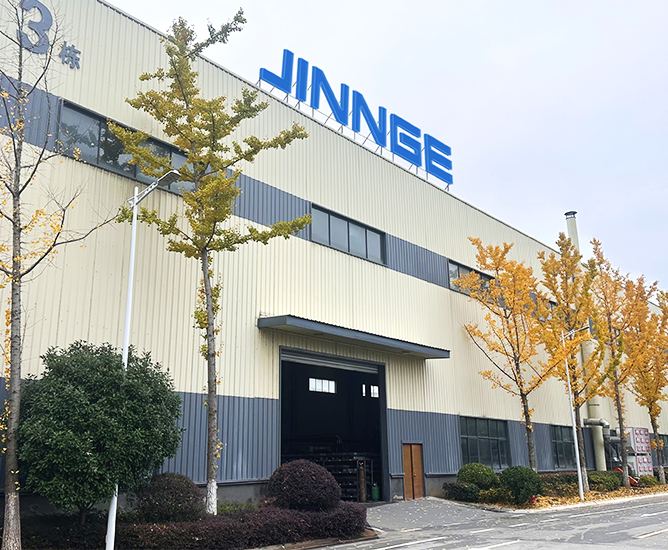
JINGE brake calipers are manufactured to match Original Equipment (OE) specifications for a precise fit and function. Their production benefits from a high degree of automation in the workshops, which drastically improves product consistency. A dedicated quality control system oversees the entire manufacturing process. All this ensures the calipers reliably apply pressure to the brake pads for effective vehicle deceleration.

Get a Free Quote

Our representative will contact you soon.
Email
Mobile/WhatsApp
Name
Company Name
Message
0/1000
Attachment
Please upload at least an attachment
Up to 3 files,more 30mb,suppor jpg、jpeg、png、pdf、doc、docx、xls、xlsx、csv、txt、stp、step、igs、x_t、dxf、prt、sldprt、sat、rar、zip