Noise-Free Brake Pads: Dust-Free, Wear-Resistant for 99% Vehicles

All Categories

Trusted Brake Pads: Emark-Certified & High-Temperature Tolerant

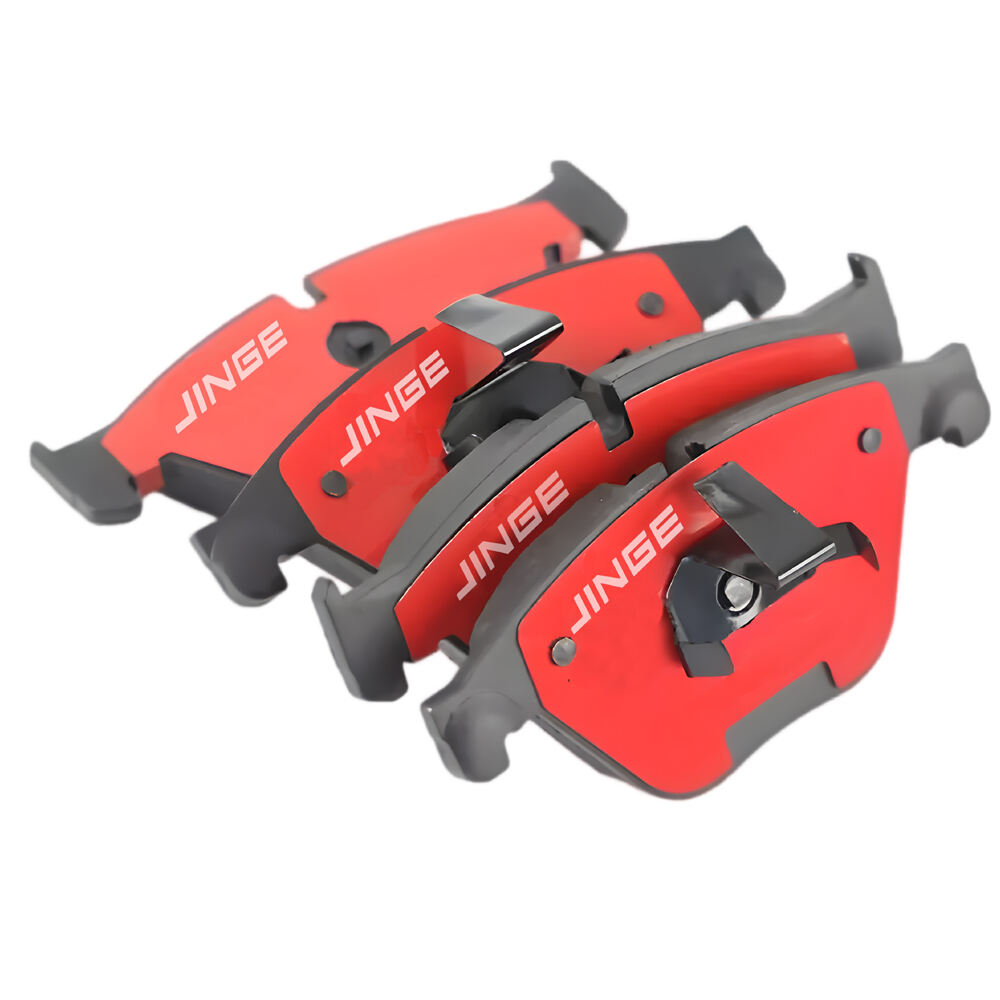
Our Emark-certified brake pads are high-temperature tolerant, wear-resistant, noise-free, and dust-free. With over 2100 part numbers, they fit 99% of vehicles, providing dependable stopping power for daily commutes and long drives. Manufactured with professional R&D and automated production lines, our pads ensure stable friction performance, reducing brake fade and maintaining safety. Backed by strict testing, they are a reliable choice for drivers seeking quality and durability.
Get A Quote

Why choose us?

High-Temperature Stability for Extreme Braking

Formulated with high-temperature resistant friction materials, maintaining stable braking performance even at temperatures exceeding 600℃. It avoids brake fading during long downhill drives or emergency braking, ensuring the vehicle can stop safely in extreme conditions. It is trusted by drivers for its consistent performance.

Over 2100 Part Numbers for Comprehensive Coverage

Boasts a product range of over 2100 part numbers, covering 99% of passenger cars, SUVs, and light commercial vehicles worldwide. It includes models from European, American, Japanese, and Korean brands, providing a one-stop procurement solution for global distributors and repair facilities.

Consistent Quality with Batch-to-Batch Uniformity

Implements strict batch control during production, ensuring each batch of brake pads has consistent friction coefficient, thickness, and performance. It avoids performance differences between batches, providing reliable and predictable braking results for users. Each product is traceable, ensuring quality accountability.

Related products

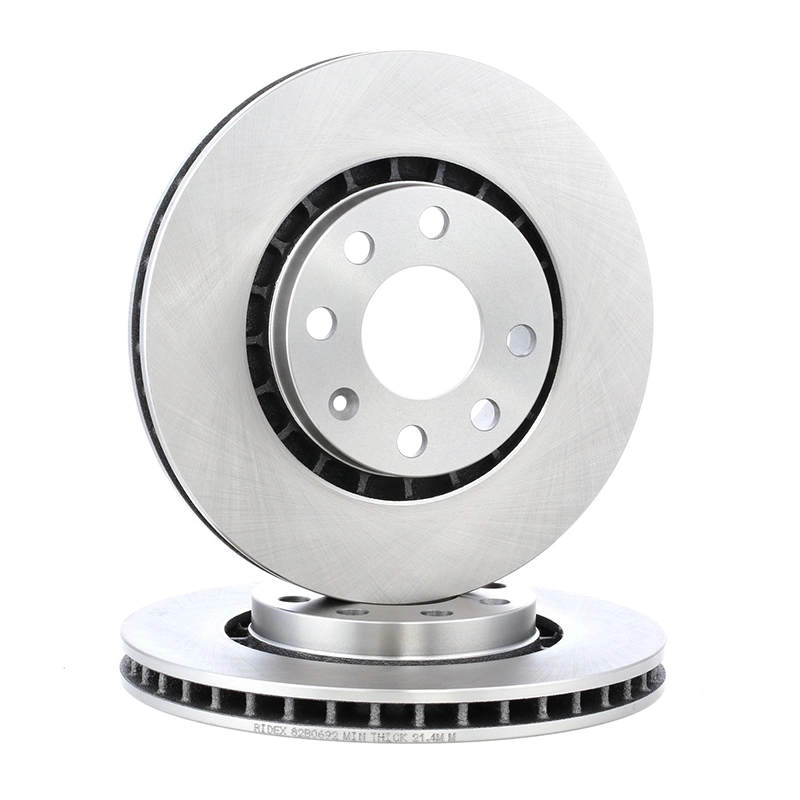
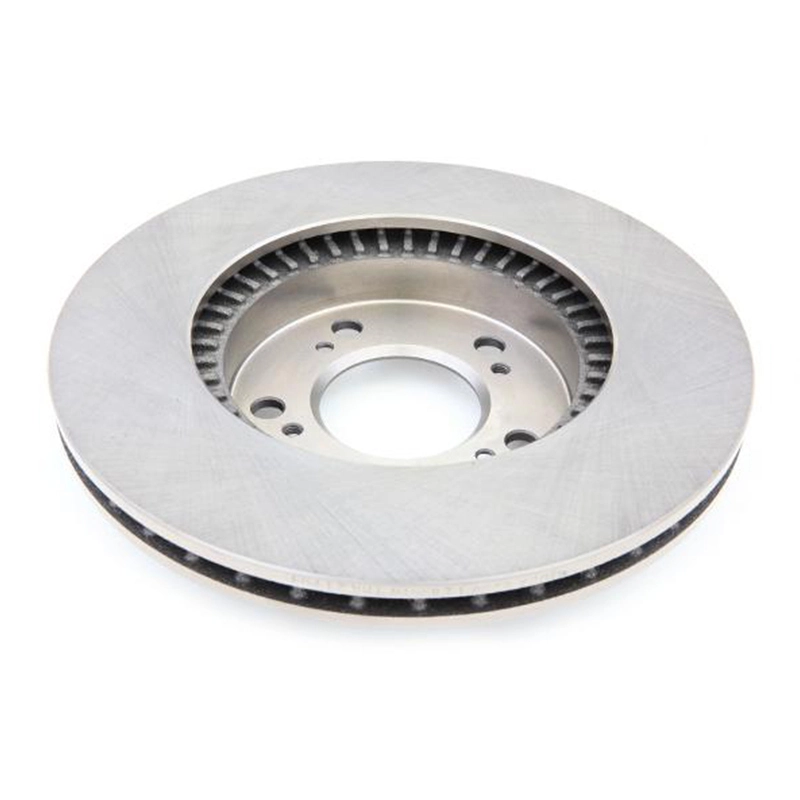
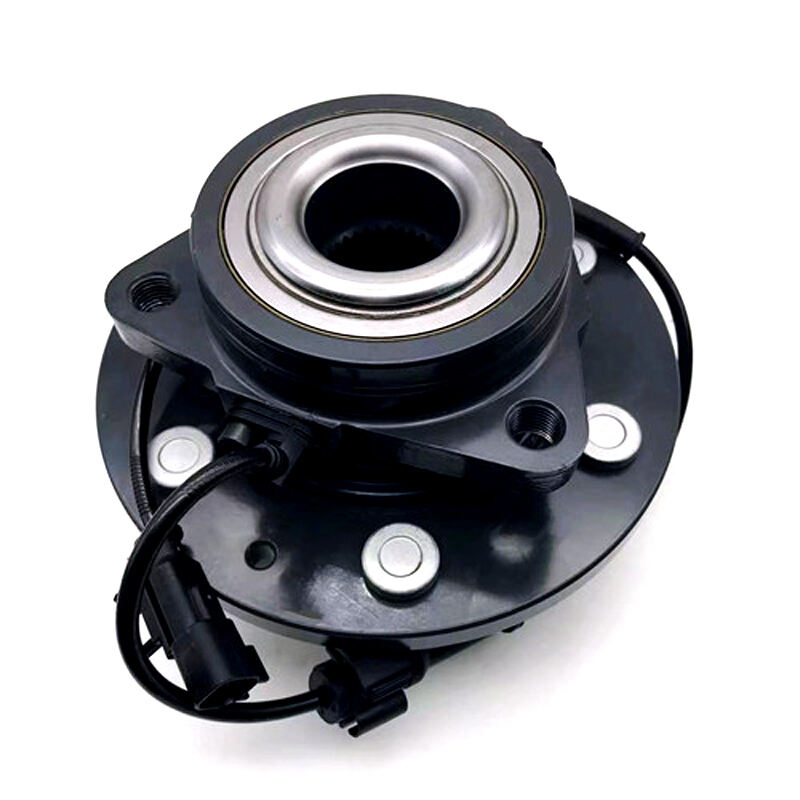
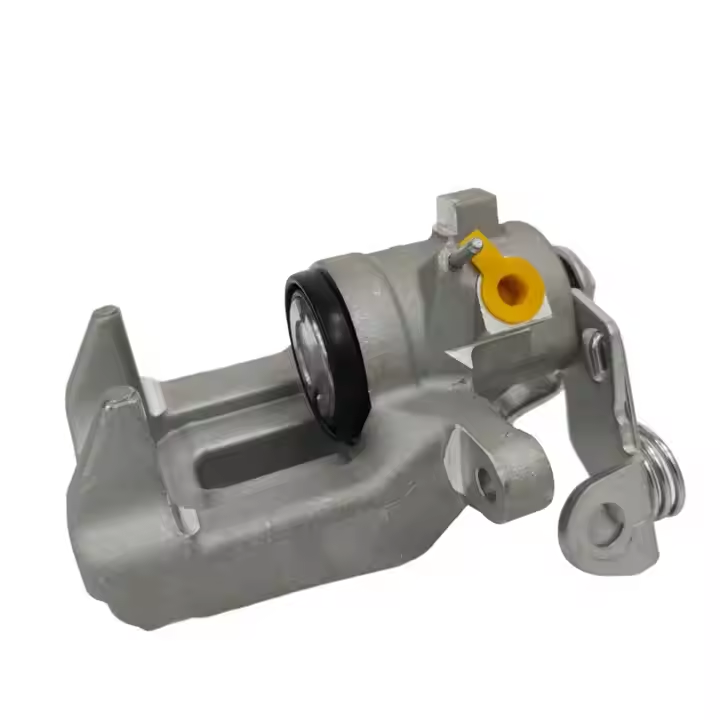
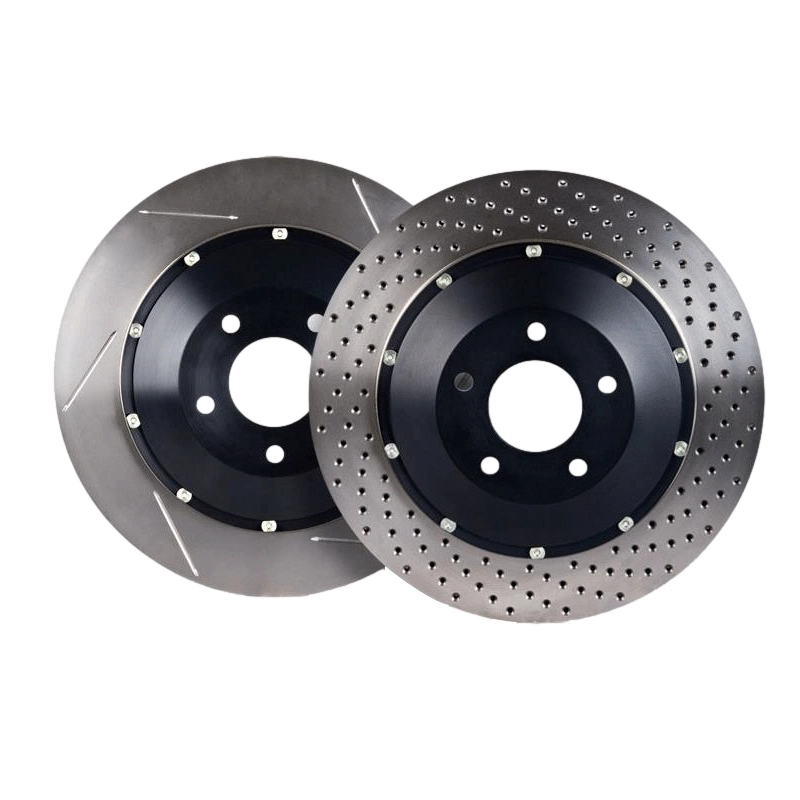
Within the comprehensive hierarchy of vehicle maintenance, the proactive monitoring and timely replacement of brake pads stand as one of the most impactful services for preserving safety, preventing costly collateral damage, and ensuring predictable vehicle behavior. Each brake pad is a sacrificial element designed to wear down gradually through its friction-facing material, protecting the more permanent and costly brake discs and brake drums from excessive wear; however, this very nature necessitates a disciplined inspection regime, as the rate of wear can vary dramatically based on pad compound, driving style, vehicle weight, and typical operating environment, such as city stop-and-go traffic versus highway cruising. The consequences of deferred brake pad replacement extend far beyond the obvious reduction in braking efficiency, potentially including deep scoring grooves etched into the brake disc surface, which then requires machining or full replacement of the disc itself, increased strain on the hydraulic system as the brake caliper piston extends further out of its bore, and heightened risk of overheating the brake fluid, which can lead to vapor lock and a spongy pedal feel. Modern vehicles often equip brake pads with wear sensors, either simple auditory metal tabs that contact the rotor to produce a high-pitched squeal or electronic sensors that complete a circuit when worn through, triggering a dashboard warning light to alert the driver; however, these should not replace periodic visual checks, especially since inner pads can wear faster than outer ones. The installation process for new brake pads is a precise operation that involves cleaning and lubricating the brake caliper slide pins and pad abutment areas with high-temperature silicone grease to ensure free movement, inspecting the brake disc for thickness variation and runout, and often replacing the anti-rattle clips to maintain quiet operation. For performance-oriented applications, the process of bedding in new brake pads is critical, involving a series of controlled moderate decelerations to gradually raise the temperature of the pad and rotor, allowing the pad's friction material to transfer a uniform layer onto the brake disc, thereby maximizing contact area and establishing a consistent coefficient of friction for reliable performance. It is also noteworthy that the brake pad ecosystem is linked to other chassis components; for instance, a worn wheel hub bearing can introduce axial play or vibration that leads to uneven brake pad deposition and premature wear, highlighting the interconnected nature of the braking and suspension systems. Ultimately, viewing brake pads not as isolated wear items but as integral, performance-defining elements within a larger system underscores their importance, encouraging informed selection from reputable manufacturers and adherence to rigorous maintenance schedules for sustained vehicular safety and driving pleasure.

Frequently Asked Questions

When was the company founded and where is it located?

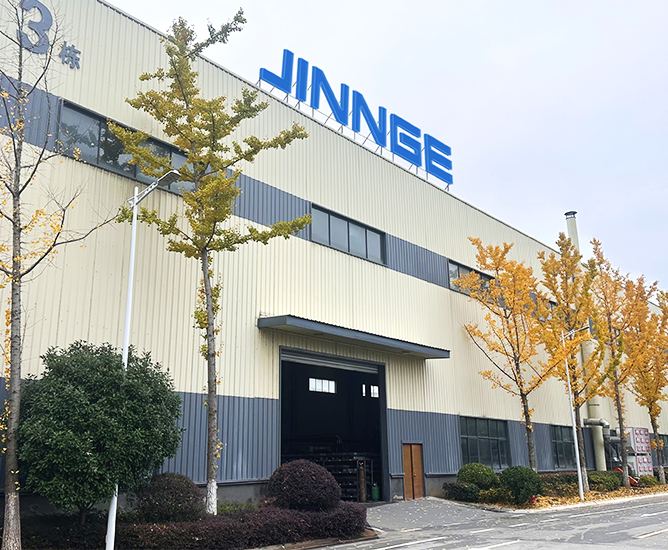
Founded in 2002 and situated in Shanghai, China, it focuses on integrated services for automotive parts, including development, design, manufacturing, and processing, evolving into a leading enterprise in the domestic brake industry after years of development.
The brake pads boast over 2100 part numbers, with a model coverage rate exceeding 99%, enabling them to fit the vast majority of street vehicles on the market.
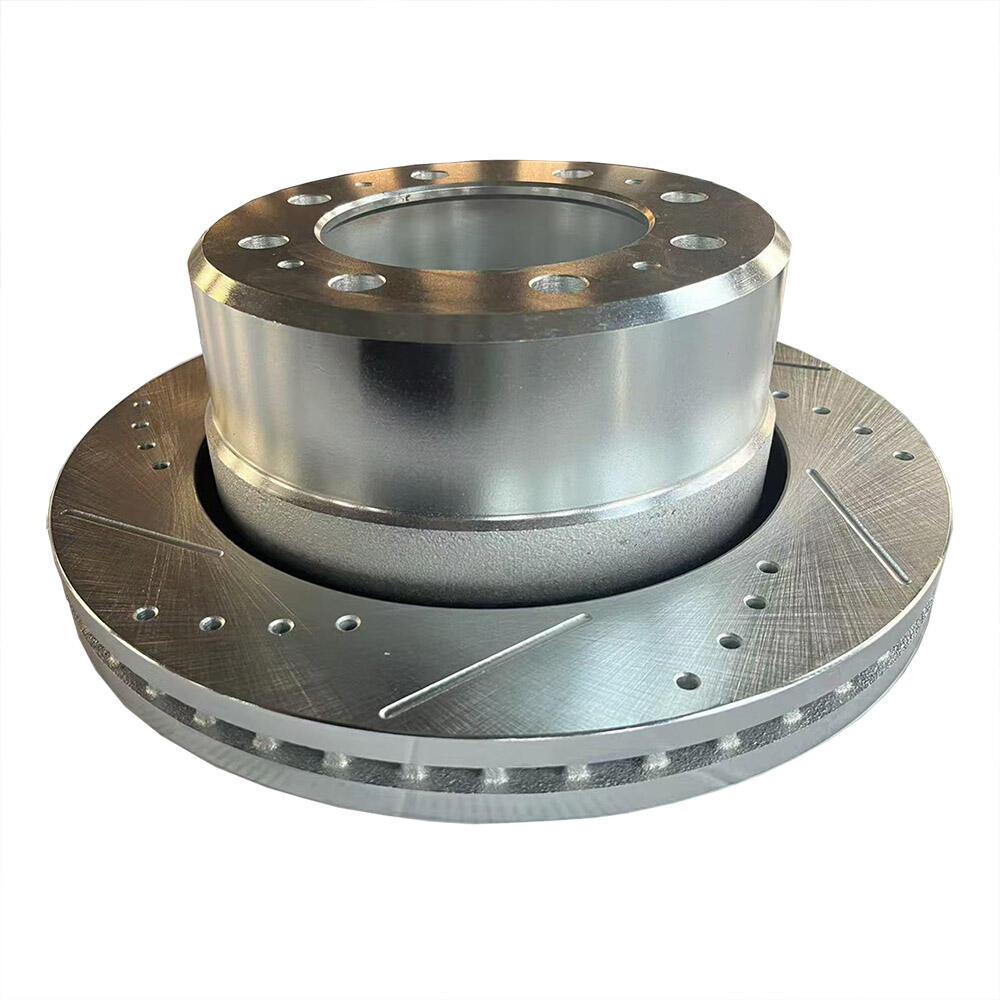
It achieves large-scale production annually, manufacturing 33 million brake discs and 20 million sets of brake pads, ensuring sufficient supply capacity to meet global market demand.
The products have passed several international authoritative certifications, including the E Mark Certification (encompassing E11 Certificates), fully complying with strict international quality and safety standards to guarantee product reliability.

Related Articles

Exploring the Heart of Braking: A Deep Dive into JINGE's High-Performance Brake Pads

20

Nov

Exploring the Heart of Braking: A Deep Dive into JINGE's High-Performance Brake Pads

The Science of Friction: How Brake Pad Materials Define Performance Understanding Friction Materials and Brake Pad Performance Brake pads convert kinetic energy into heat through controlled friction, with material composition directly determining sto...
View More
The Future is Copper-Free: How New Regulations Are Reshaping the Brake Pad Industry

22

Dec

The Future is Copper-Free: How New Regulations Are Reshaping the Brake Pad Industry

View More
Brake Dust Under Scrutiny: Meeting Upcoming Emission Standards (Euro 7/CN7)

22

Dec

Brake Dust Under Scrutiny: Meeting Upcoming Emission Standards (Euro 7/CN7)

View More
EVs Demand New Brakes: Specialized Requirements for Electric and Hybrid Vehicles

22

Dec

EVs Demand New Brakes: Specialized Requirements for Electric and Hybrid Vehicles

View More

Customer Reviews

Steven White

This brake pad is exceptional. It’s noise-free, produces minimal dust, and provides strong stopping power. The friction material is wear-resistant, ensuring a long service life. It fits my car perfectly, and installation was straightforward. It performs well in all conditions, from city driving to highway trips. I’m very satisfied with this brake pad and would recommend it to anyone seeking quality.

James Harris

This brake pad is everything I needed. It’s safe, reliable, and provides smooth braking performance. It’s wear-resistant, dust-free, and noise-free, making it a pleasure to use. It fits my car perfectly, and installation was simple. It performs well in wet and dry conditions, ensuring peace of mind while driving. I’m very happy with this purchase and would buy it again.

Get a Free Quote

Our representative will contact you soon.
Email
Name
Company Name
Message
0/1000
OE Market Proven Brake Pads with Advanced NVH and Dyno Testing

OE Market Proven Brake Pads with Advanced NVH and Dyno Testing

With 22 years of deep involvement in the Original Equipment (OE) market, JINGE brake pads are trusted by manufacturers. They are tested on 9 dynamometers for critical factors like strength, thermal performance, and NVH (Noise, Vibration, Harshness). A certified quality inspection center uses world-class equipment, like automated spectrum analyzers, to verify every batch. This ensures the pads deliver safe, reliable, and quiet braking.

Get a Free Quote

Our representative will contact you soon.
Email
Mobile/WhatsApp
Name
Company Name
Message
0/1000
Attachment
Please upload at least an attachment
Up to 3 files,more 30mb,suppor jpg、jpeg、png、pdf、doc、docx、xls、xlsx、csv、txt、stp、step、igs、x_t、dxf、prt、sldprt、sat、rar、zip