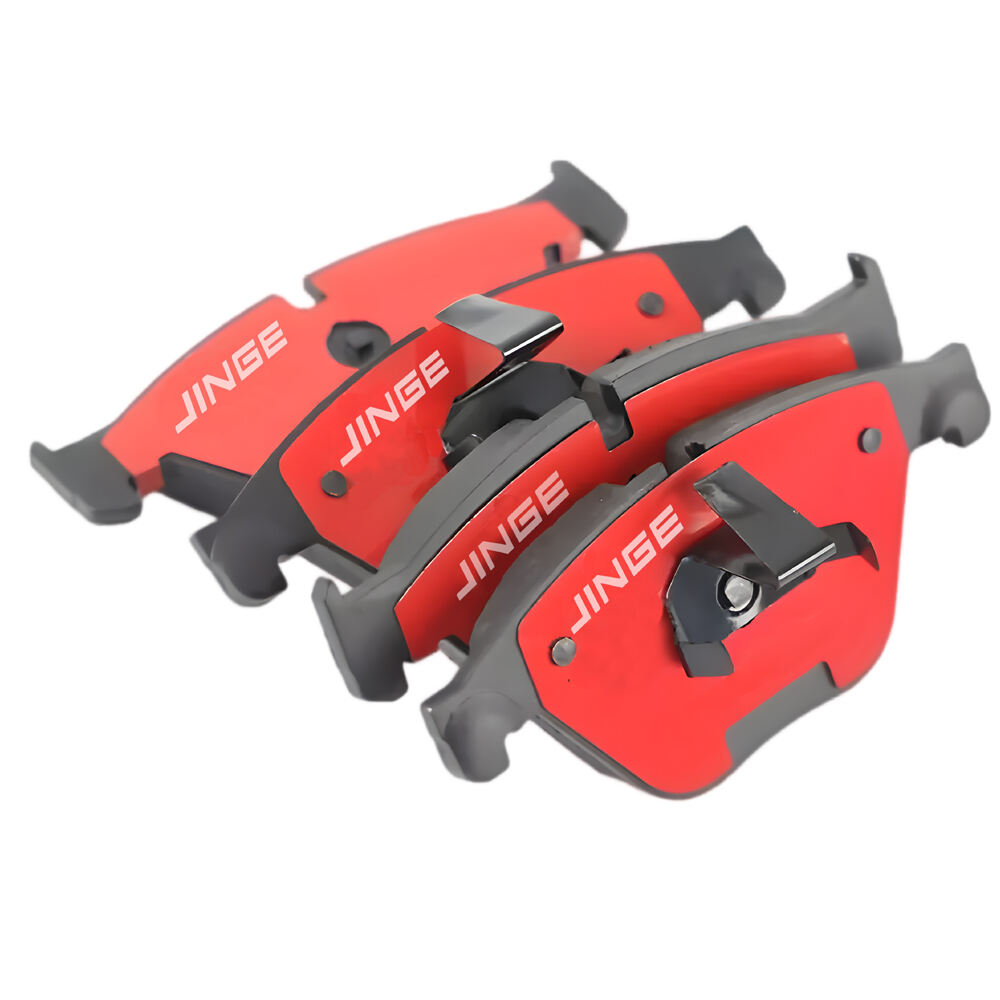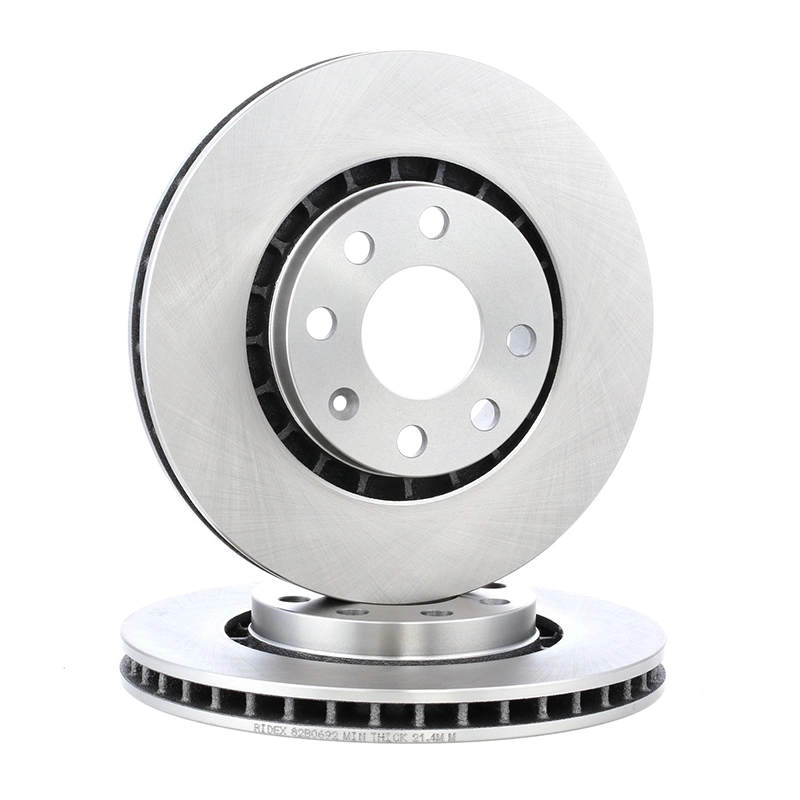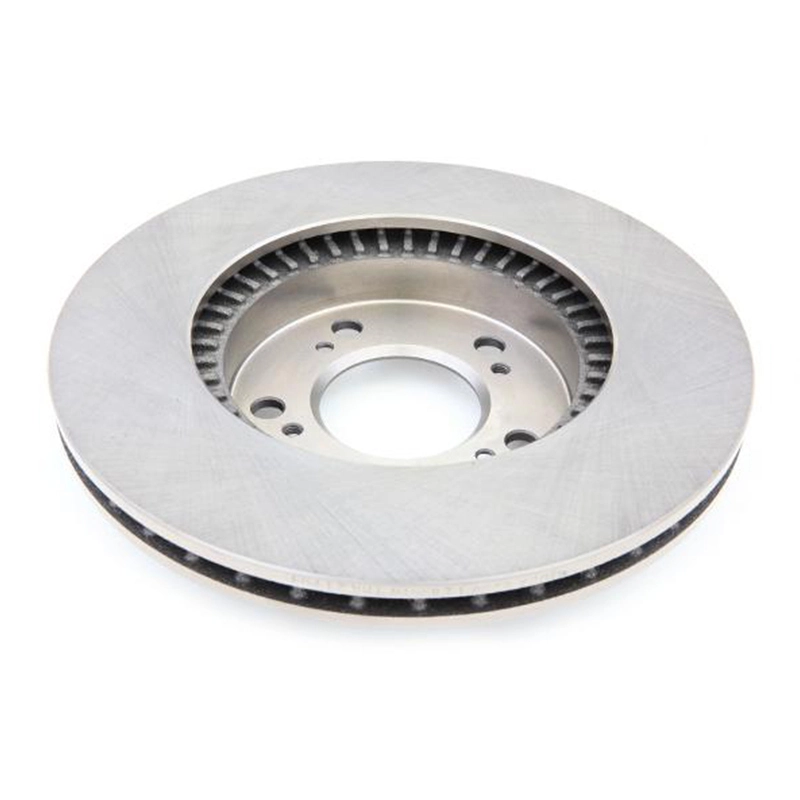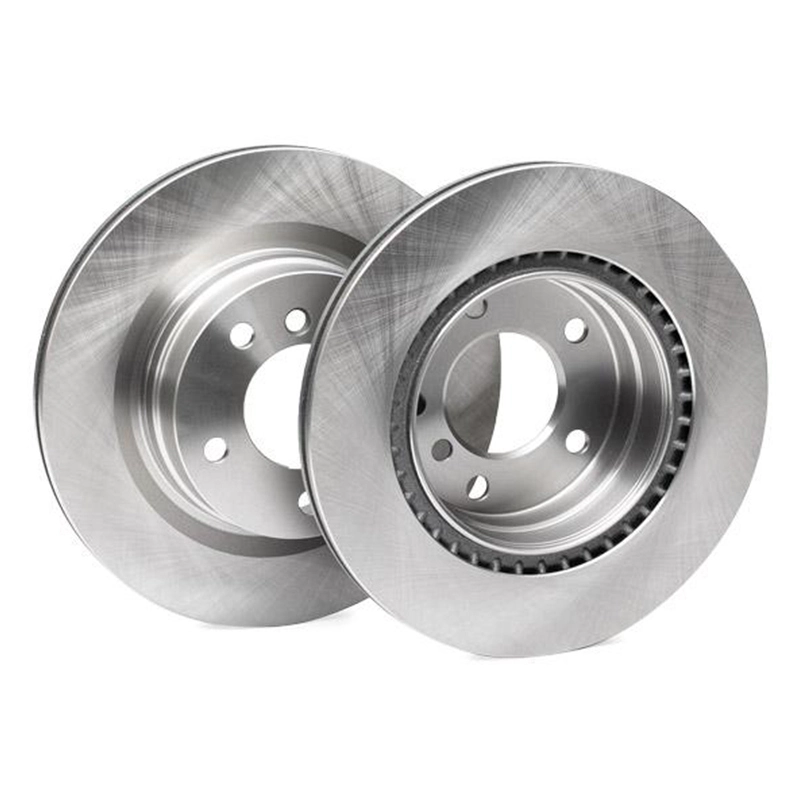
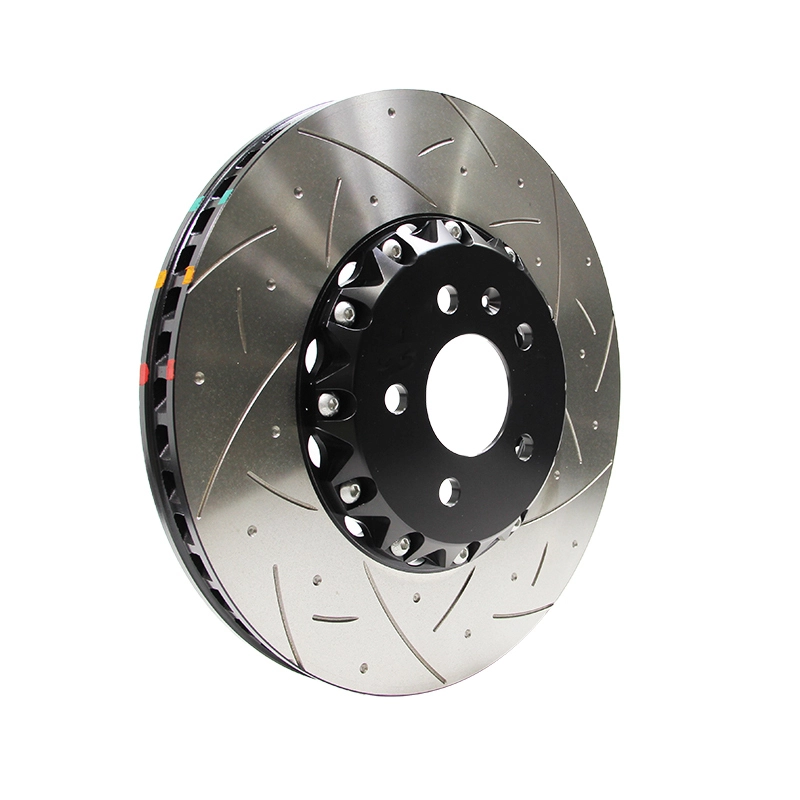
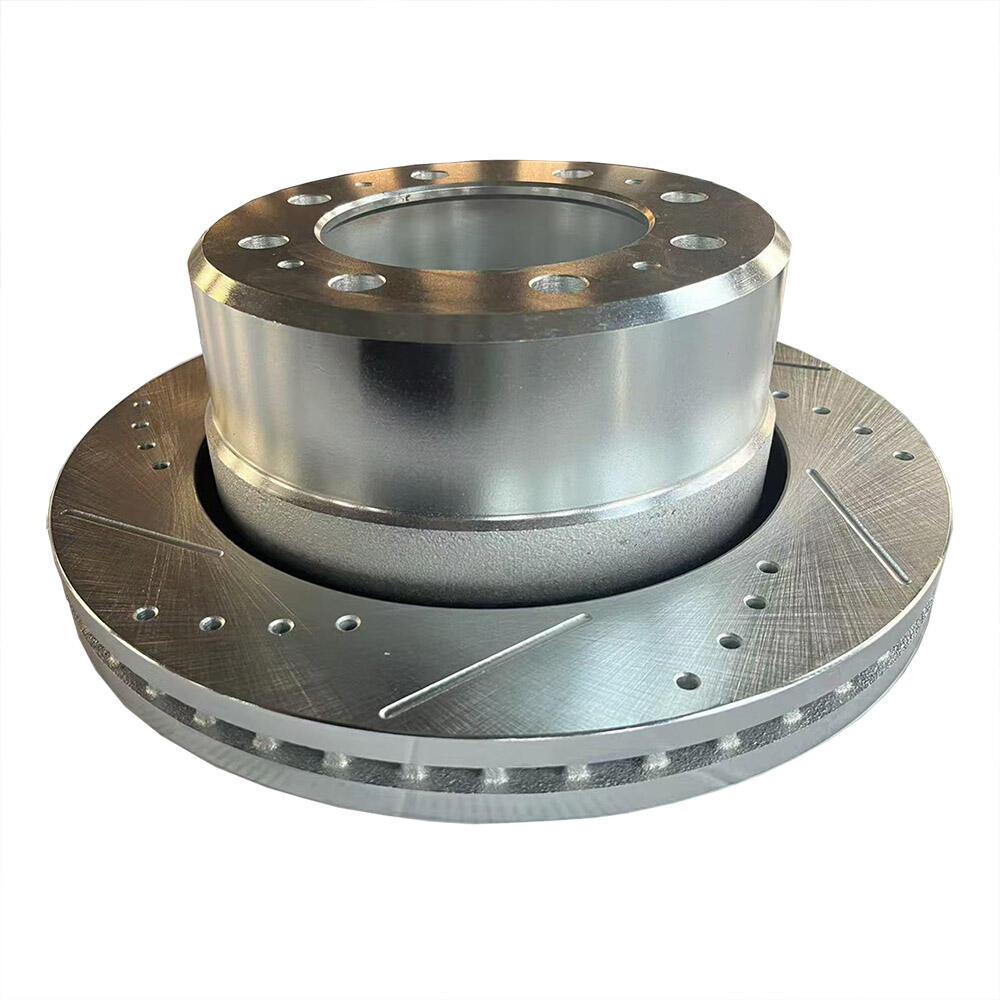
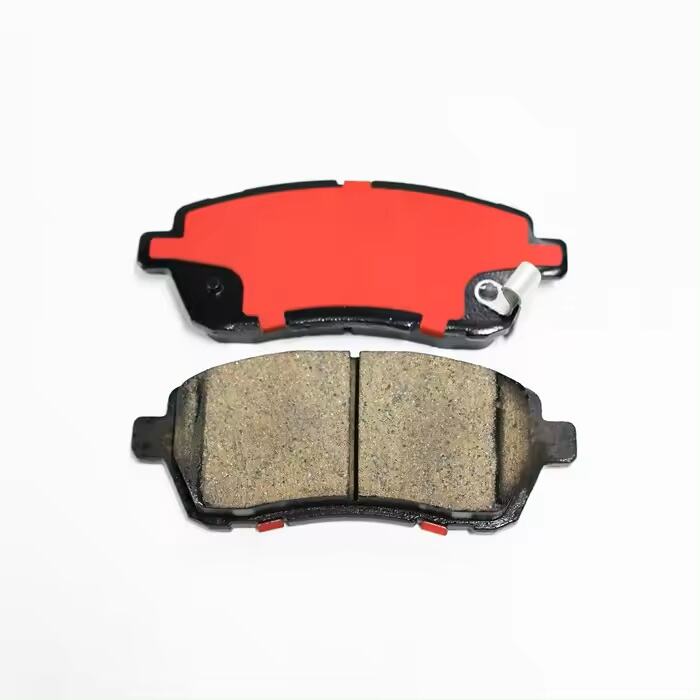
The diagnostic aspect of vehicle maintenance frequently involves interpreting symptoms related to brake pad wear and performance, as these components provide clear auditory, tactile, and visual clues that can indicate their condition and the health of the broader braking system. A persistent high-pitched squealing noise while driving, especially when not applying the brakes, often signals that the brake pad wear indicator tab is contacting the brake disc, a built-in auditory alert for scheduled replacement, though squealing during braking can also indicate glazed pads, contaminated friction surfaces, or lack of proper shims. A grinding or growling metallic sound is a more serious warning, typically meaning the brake pad friction material is completely worn away and the steel backing plate is now scoring the brake disc, an urgent situation requiring immediate service to avoid costly damage to the rotors and calipers. Vibration or pulsation felt through the brake pedal or steering wheel during deceleration often points to warped brake discs or disc thickness variation, which can be caused by uneven brake pad deposits or improper torqueing of the wheel, but can also be exacerbated by or contribute to uneven pad wear. A longer-than-usual brake pedal travel or a spongy feel may be related to worn brake pads causing excessive piston extension in the brake caliper, but it is crucial to rule out other hydraulic issues like air in the lines or degraded brake fluid. Visually, through the wheel spokes, one can often inspect the outer brake pad thickness; however, the inner pad typically wears faster and requires a more thorough inspection, underscoring the importance of professional service for a complete assessment. Furthermore, uneven wear patterns across a single brake pad, such as tapering or faster wear at one end, can point to issues with the brake caliper not sliding freely, a stuck piston, or problems with the hub bearing allowing excessive runout. By understanding these diagnostic cues, vehicle owners can transition from reactive to proactive maintenance, scheduling brake pad replacement at the optimal time to preserve other components, ensure consistent braking performance, and maintain the safety integrity of their vehicle, making knowledge of brake pad behavior a fundamental aspect of responsible car ownership across all markets.