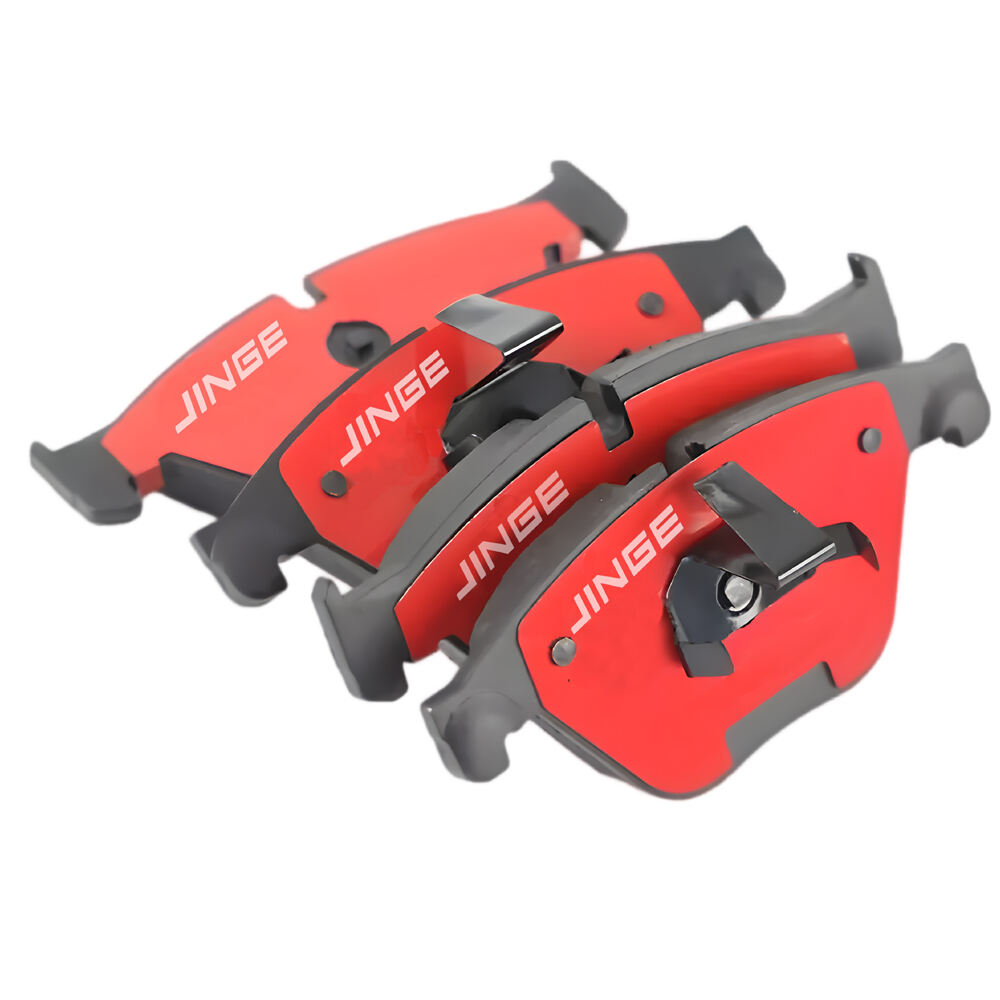
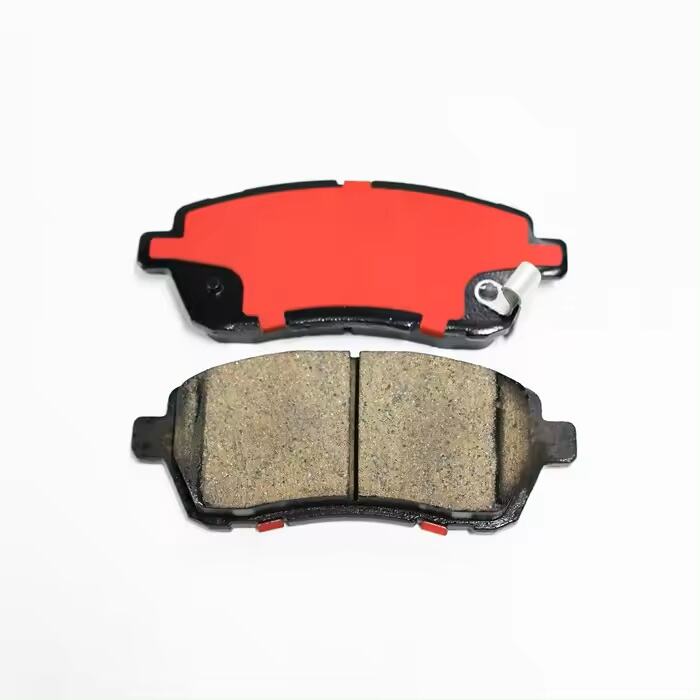

Examining the brake shoe reveals its centrality to the drum brake's function as a system that relies on precise mechanical interactions. This component does not work in isolation; its performance is co-dependent with the condition of the brake drum, the health of the hydraulic wheel cylinders, and the functionality of the adjustment mechanism. The shoe's design often includes features like nibs or pads that ride on the backing plate, and these contact points must be properly lubricated to allow free movement while preventing chatter. The friction material on the brake shoe is engineered for a specific compromise between wear life, noise generation, stopping power, and environmental friendliness (e.g., copper-free formulations). Diagnostically, a vehicle that requires repeated brake adjustment may suffer from a seized self-adjuster, but it could also indicate that the brake shoes are not correctly seated or that the drum's internal diameter is excessively worn. The installation of a brake shoe set is a precise task: shoes must be positioned correctly relative to the anchor pin, and all springs—hold-down, return, and adjuster—must be installed in their exact orientation to ensure proper function. In performance or heavy-towing scenarios, upgraded brake shoes with high-temperature linings can be a crucial upgrade to prevent fade. Ultimately, a nuanced understanding of the brake shoe involves appreciating its systemic relationships, the engineering of its friction interface, the diagnostic logic for troubleshooting related braking issues, and the procedural rigor required for its correct service, ensuring this fundamental component continues to provide reliable and safe deceleration for a global audience of drivers and vehicle operators.