Hub Bearings for 99% of Vehicles | 21-Yr Expertise

All Categories

Smooth Rotation Hub Bearing: Withstands Radial & Axial Loads

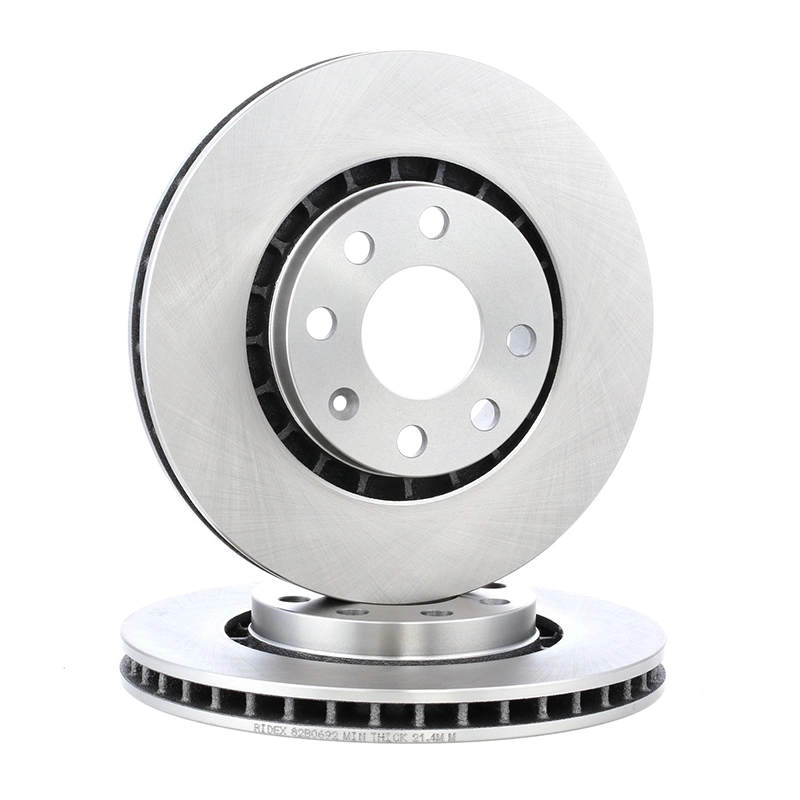
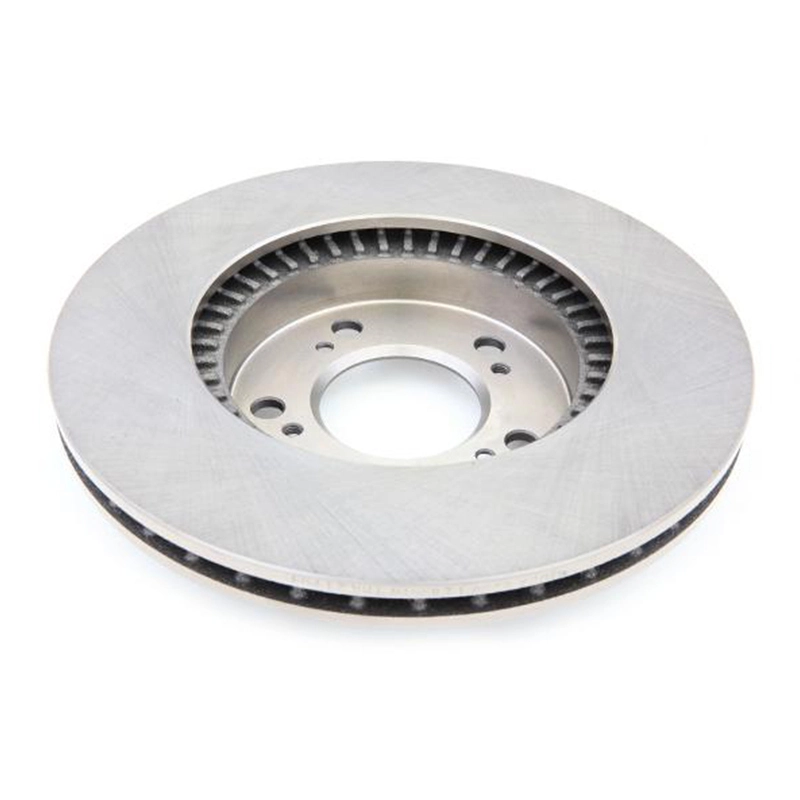
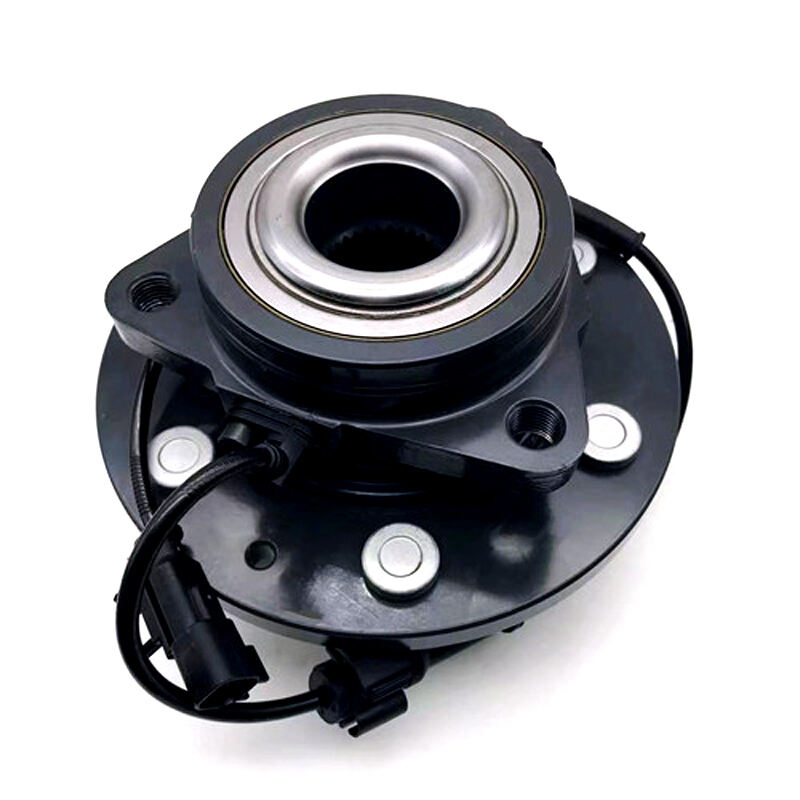
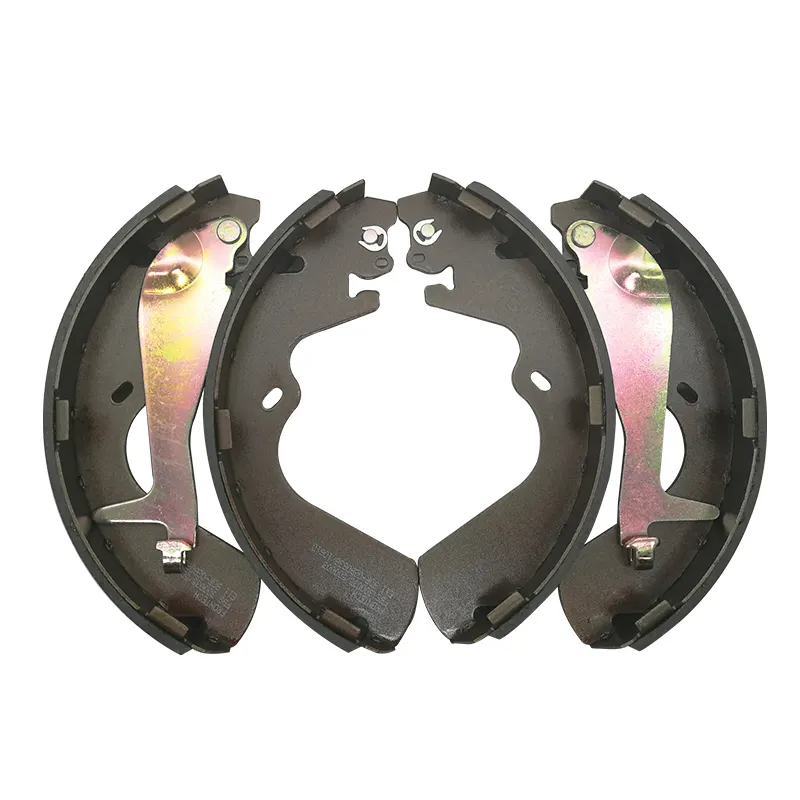
We provide hub bearings that ensure smooth wheel rotation, fitting 99% of vehicle models and supporting radial and axial loads. With 21 years of expertise in the field, these bearings connect wheels and axles, supporting vehicle weight while reducing friction. Suitable for passenger cars, SUVs, and commercial vehicles, they enhance driving stability and safety, performing reliably in all driving conditions—city streets, highways, or rough roads. Rigorously tested for durability, they resist wear, ensuring long service life and consistent performance for global drivers.
Get A Quote

Why choose us?

21 Years of Professional R&D and Manufacturing Experience

With 21 years of focused experience in automotive wheel hub bearing units, the company has accumulated rich technical expertise and production experience. It has a professional R&D team that continuously optimizes product design and manufacturing processes, ensuring the professional quality and advanced performance of hub bearings.

High Load-Bearing Capacity for Stable Driving

Adopts high-strength materials and optimized structural design, with excellent radial and axial load-bearing capacity. It can stably support the vehicle's weight and withstand the complex loads generated during driving, such as acceleration, deceleration, and turning. It ensures the stability of the vehicle's driving posture and avoids safety hazards caused by insufficient load-bearing capacity.

Strict Quality Testing for Long-Term Reliability

Undergoes a series of rigorous quality tests, including durability testing, corrosion resistance testing, and precision testing. It ensures that hub bearings can maintain reliable performance in long-term use and harsh working environments. It has a long service life, reducing the frequency of maintenance and replacement, and saving users' time and costs.

Related products

As a fundamental chassis component, the hub bearing's primary function is to facilitate the precise and free rotation of the wheel assembly, a task that requires exceptional mechanical integrity to handle the complex combination of forces it endures, including vertical loads from the vehicle's weight, lateral forces during turns, and thrust forces during braking and acceleration, all while maintaining minimal rolling resistance to contribute to overall vehicle efficiency and performance. The transition to Generation 3 and Generation 4 hub bearing units, which integrate the bearing directly with the steering knuckle or the CV joint, underscores the automotive industry's push towards modularity, weight reduction, and improved performance, offering benefits like enhanced stiffness for better handling, more accurate ABS wheel speed signal generation, and simplified assembly line processes, though this integration means replacement often requires swapping the entire hub assembly, impacting service complexity and parts cost. Diagnosing a failing hub bearing requires a systematic approach; besides listening for characteristic road-speed-dependent noises, technicians may perform a grab test by lifting the vehicle and checking for wheel wobble, or use a diagnostic stethoscope to isolate the source of the sound, as distinguishing bearing noise from similar symptoms caused by unbalanced tires or worn CV joints is crucial for accurate repair and customer satisfaction. For global distributors, fleet managers, and safety-conscious vehicle owners, understanding the critical signs of hub bearing wear and adhering to recommended inspection intervals are key components of preventive maintenance, as a timely replacement not only restores quiet operation and smooth handling but also safeguards the integrity of the entire wheel end system, preventing collateral damage to brakes, axles, and tires, thereby underscoring the hub bearing's role as a silent yet vital guardian of vehicular safety and operational reliability in every driving environment.

Frequently Asked Questions

How many engineers are in the technical and R&D teams, and what do they focus on?

There are more than 100 engineers in the technical and R&D teams, who are highly educated and specialized in OEM development, high-performance product research, and new technology exploration, driving continuous product innovation.
It has played an important role in drafting 8 national specifications and industrial standards, including "Brake Disc for Automobile" and "Product Specifications and Test Methods of Brake Disc for Passenger Vehicles," contributing to industry standardization.
The brake discs offer a variety of coating options, including water-based Zinc-aluminum coating, Zinc dust coating, high-temperature resistant coating, and partial coating, which can meet customers' personalized and tailored demands for product surface treatment.
Adhering to the "WE GO GREEN" philosophy, it adopts environmentally friendly foundry facilities to reduce energy consumption and CO₂ emissions, treats spraying exhaust properly, uses unmanned spraying rooms, and has environmental protection criteria above national standards, while also focusing on occupational health with workshop air cleaning systems.

Related Articles

Exploring the Heart of Braking: A Deep Dive into JINGE's High-Performance Brake Pads

20

Nov

Exploring the Heart of Braking: A Deep Dive into JINGE's High-Performance Brake Pads

The Science of Friction: How Brake Pad Materials Define Performance Understanding Friction Materials and Brake Pad Performance Brake pads convert kinetic energy into heat through controlled friction, with material composition directly determining sto...
View More
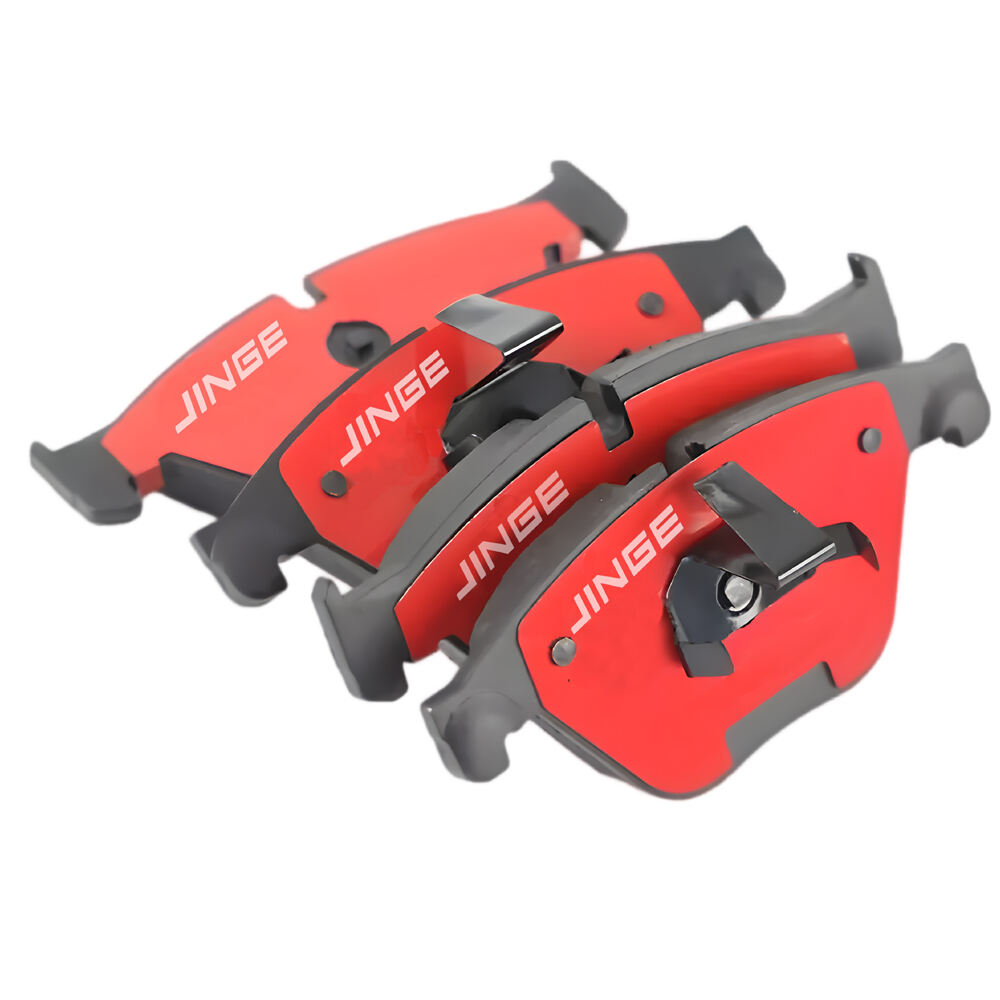
The Future is Copper-Free: How New Regulations Are Reshaping the Brake Pad Industry

22

Dec

The Future is Copper-Free: How New Regulations Are Reshaping the Brake Pad Industry

View More
Brake Dust Under Scrutiny: Meeting Upcoming Emission Standards (Euro 7/CN7)

22

Dec

Brake Dust Under Scrutiny: Meeting Upcoming Emission Standards (Euro 7/CN7)

View More
EVs Demand New Brakes: Specialized Requirements for Electric and Hybrid Vehicles

22

Dec

EVs Demand New Brakes: Specialized Requirements for Electric and Hybrid Vehicles

View More

Customer Reviews

Matthew Harris

This hub bearing exceeds my expectations. It allows for smooth wheel rotation, enhancing my vehicle’s driving stability. It’s highly durable, withstanding both radial and axial loads, and it’s easy to install. It fits my car’s specifications perfectly, and it operates quietly without any issues. It’s a reliable choice for anyone needing a high-quality hub bearing—definitely worth the investment.

Christopher Wilson

This hub bearing is a great investment. It’s made with high-quality materials that ensure smooth wheel rotation and long service life. It withstands heavy loads, providing stable performance for my vehicle. Installation was quick and easy, and it fits perfectly. It’s quiet, with no vibration, and it’s resistant to wear and tear. I’m impressed by its reliability and would buy it again.

Get a Free Quote

Our representative will contact you soon.
Email
Name
Company Name
Message
0/1000
21-Year Specialized Hub Bearings with Extensive Model Coverage and Innovation

21-Year Specialized Hub Bearings with Extensive Model Coverage and Innovation

With a 21-year focus on automotive wheel hub bearing units, JINGE has deep expertise in this component. Their bearings cover over 99% of vehicle models, supported by a strong commitment to innovation and R&D. The company also plays a significant role in drafting national and industrial standards. Advanced production processes like precision machining and rigorous testing ensure the bearings support vehicle weight and withstand driving loads effectively.

Get a Free Quote

Our representative will contact you soon.
Email
Mobile/WhatsApp
Name
Company Name
Message
0/1000
Attachment
Please upload at least an attachment
Up to 3 files,more 30mb,suppor jpg、jpeg、png、pdf、doc、docx、xls、xlsx、csv、txt、stp、step、igs、x_t、dxf、prt、sldprt、sat、rar、zip