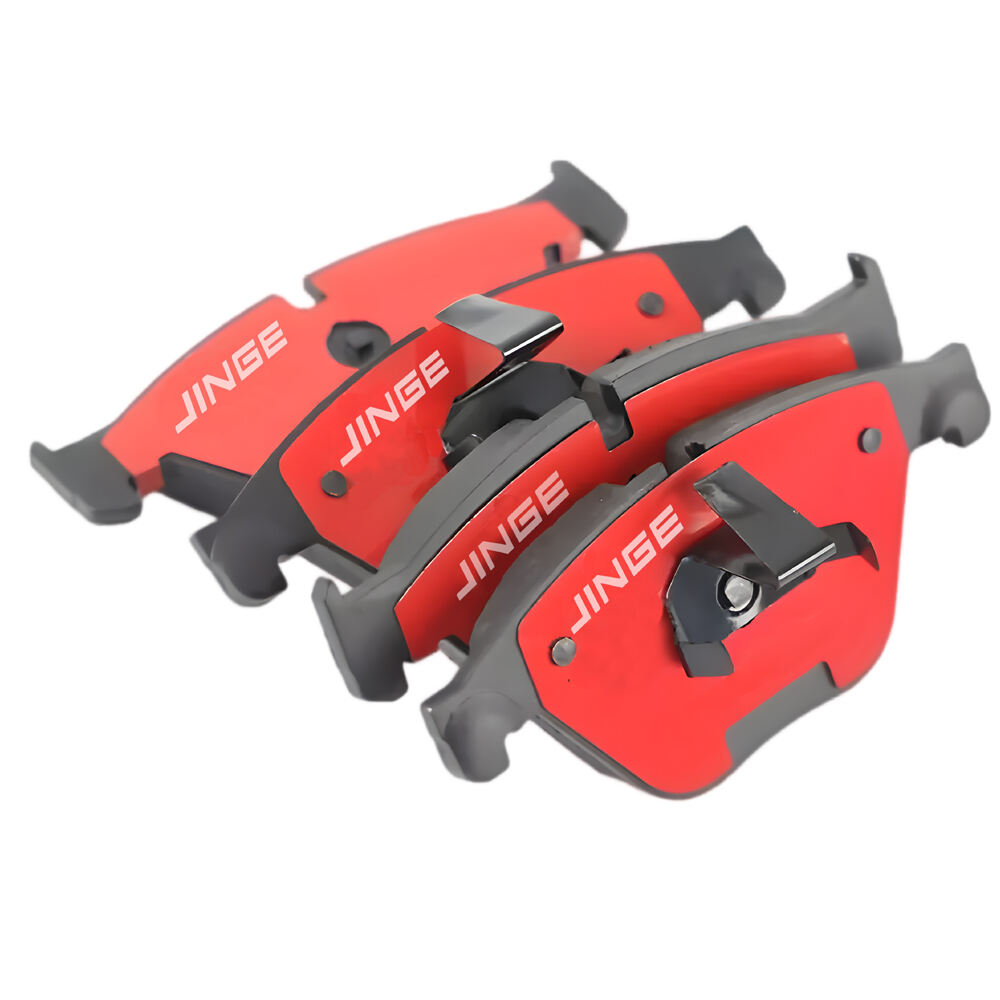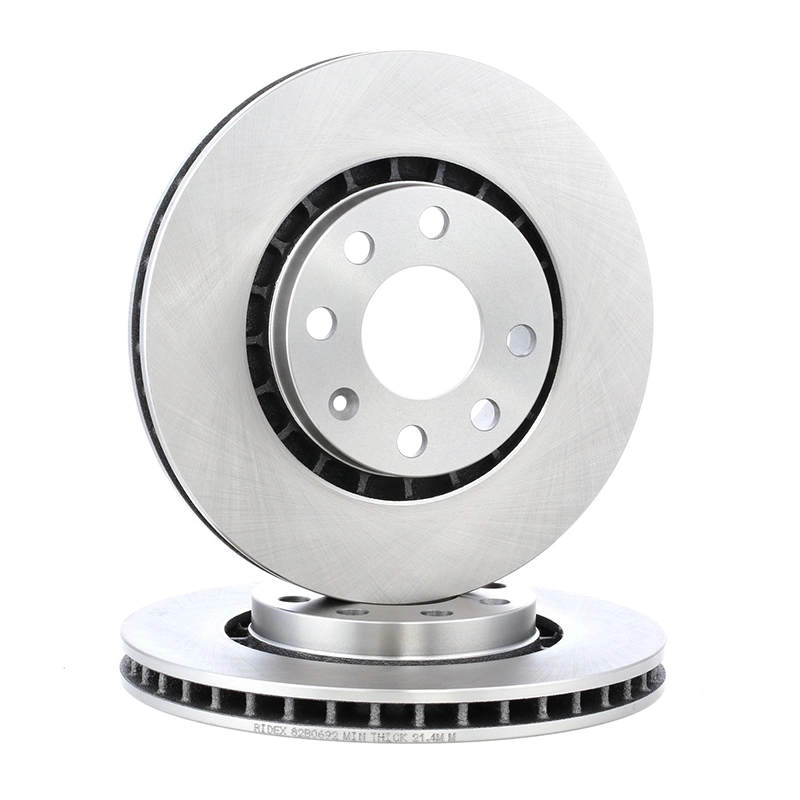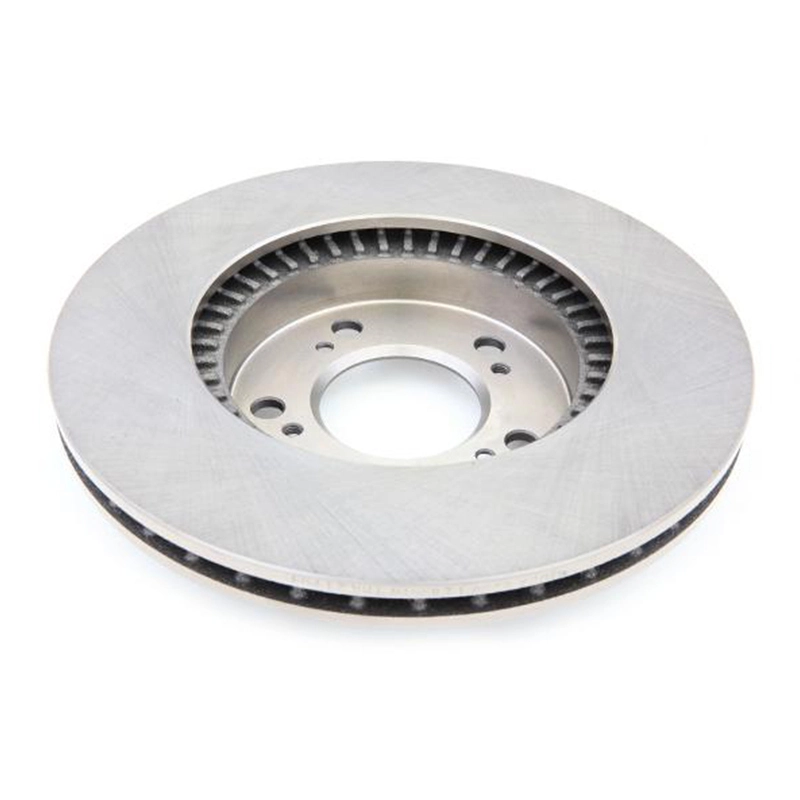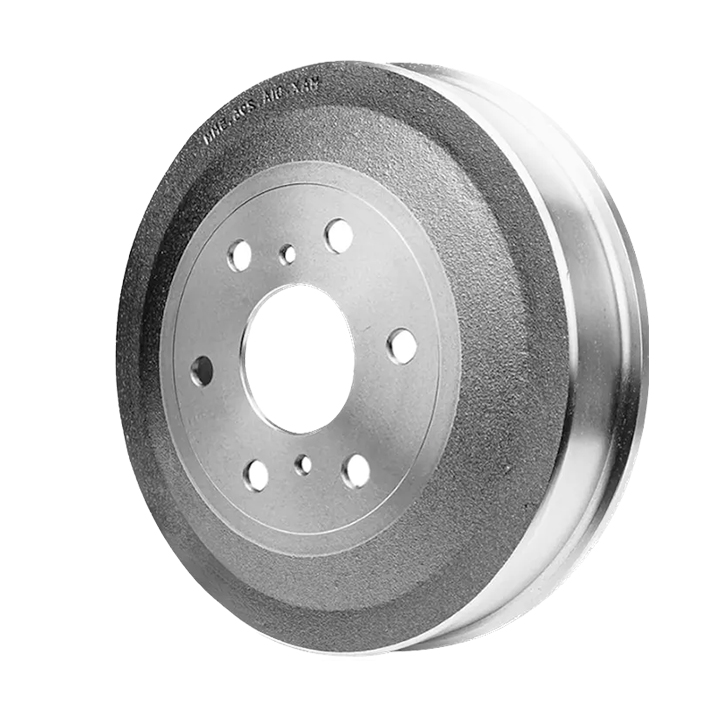
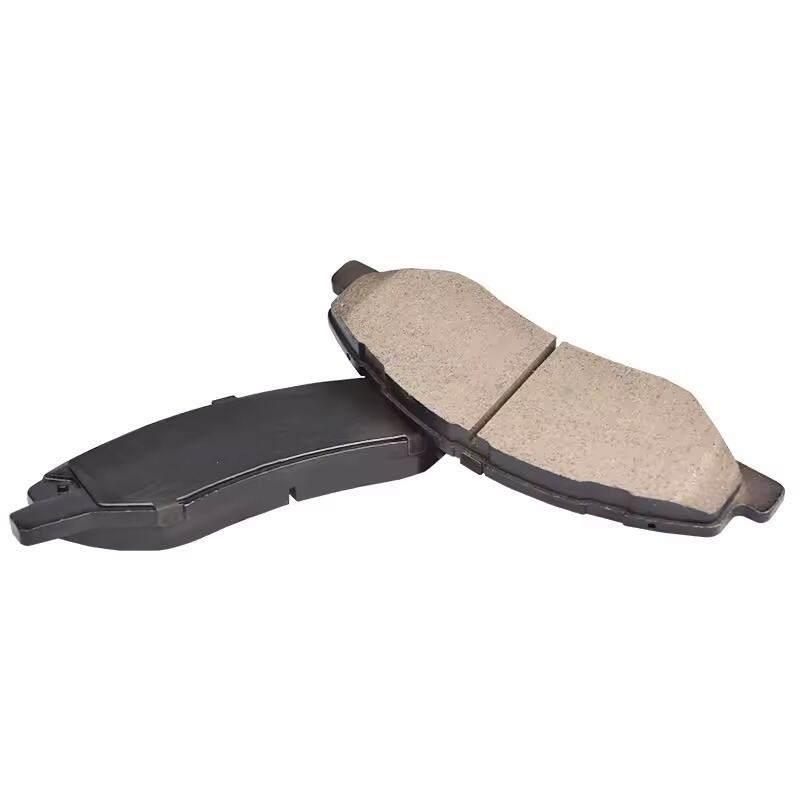
The brake shoe represents a critical fusion of structural support and friction delivery in automotive braking systems. Its design is intrinsically linked to the brake drum's internal diameter, with the curvature ensuring maximum contact area for efficient force transmission and heat distribution. The composition of the brake shoe lining is a science in itself, balancing materials like metallic fibers, ceramics, lubricants, and binders to achieve desired performance traits such as quiet operation, minimal drum scoring, and consistent friction across a wide temperature spectrum. A key maintenance concern is the identification of glazing on the brake shoe lining, a shiny, hardened surface that reduces stopping power and often requires resurfacing or replacement. The shoe's interaction with the drum is also sensitive to mechanical issues like a warped backing plate or seized anchor pins, which can cause the shoe to hang up and wear unevenly. In systems with automatic adjusters, the proper initial setting and free operation of the adjuster mechanism are essential to keep the brake shoe at the correct distance from the drum as wear occurs, preventing increased pedal travel. For technicians, a systematic approach involves comparing wear patterns between shoes on the same axle, checking for bent or damaged shoe webs, and verifying that any anti-rattle clips or springs are correctly installed to prevent noise. The global aftermarket for brake shoes demands components that meet or exceed stringent OEM specifications for dimensions, material quality, and performance, ensuring compatibility and safety. Therefore, a thorough exposition on the brake shoe must address its design parameters, the technology behind its friction lining, common operational failures and their diagnostics, and the meticulous service practices required to ensure this vital component performs reliably throughout its service life, safeguarding vehicle occupants irrespective of regional driving conditions.