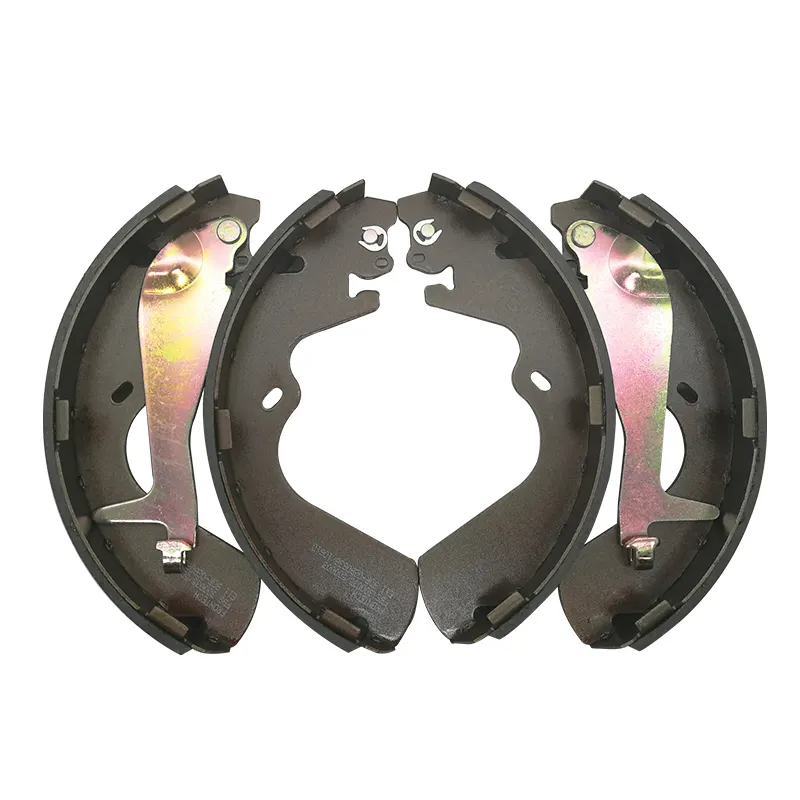
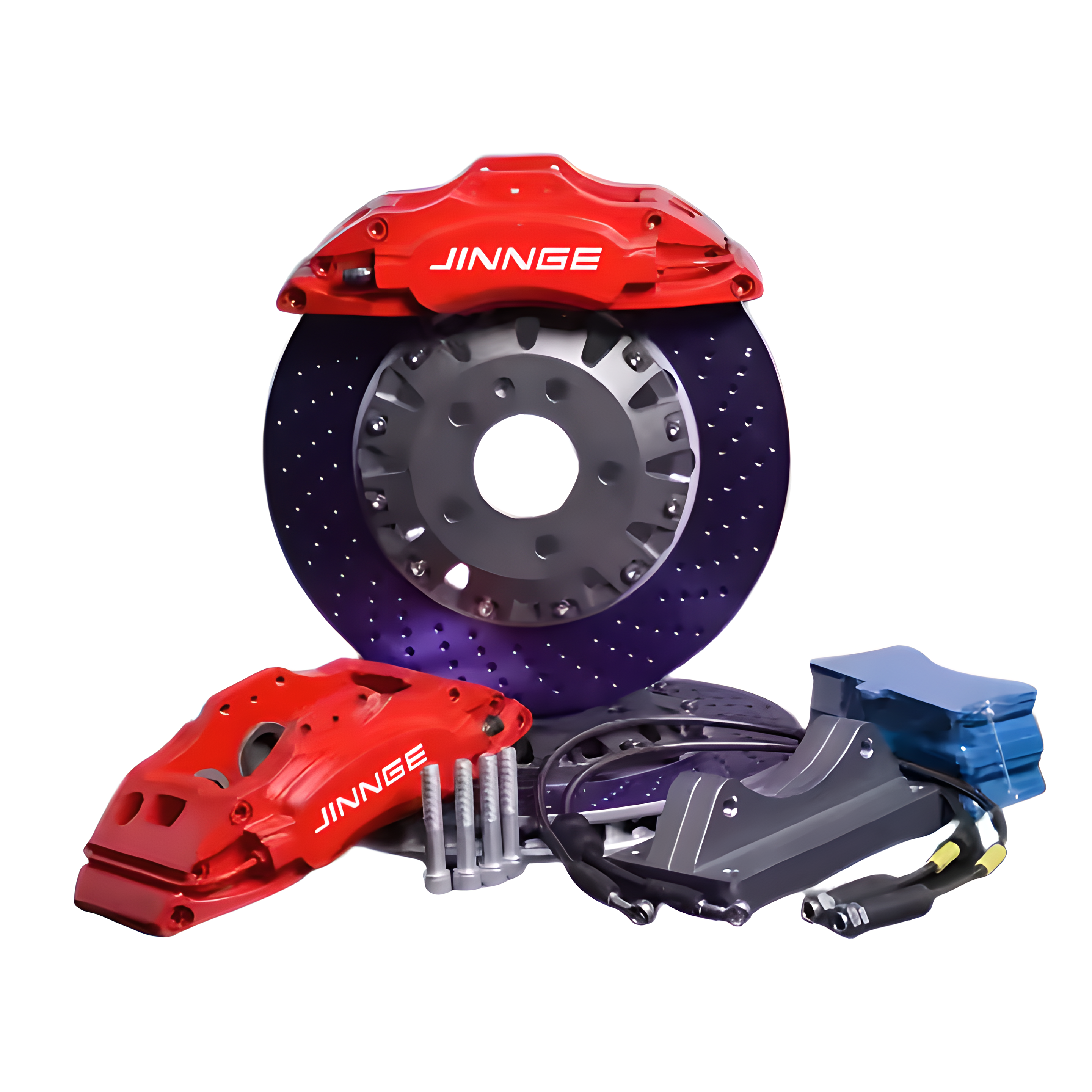
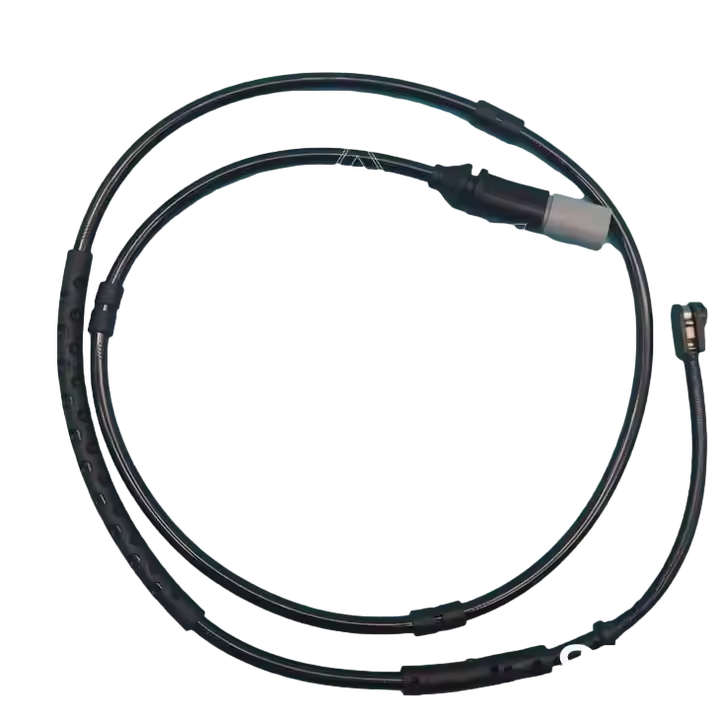

The brake drum's significance in automotive safety systems cannot be overstated, representing a key interface where controlled friction ensures driver control. Its design evolution focuses on enhancing heat dissipation—through ribbed or ventilated exteriors—and improving fatigue life via superior metallurgy. The friction mechanism inside a drum is inherently self-servo to some degree, which can provide high braking force with moderate input but also requires precise adjustment to prevent drag or grab. The surface condition of the brake drum is paramount; glazing, caused by overheating that hardens the surface, reduces friction and must be rectified by machining or replacement. Technicians must also be vigilant for drum scoring, which can cut into brake shoe linings, and for concentricity issues that cause pedal pulsation. The maximum wear diameter stamped on the drum is a legal and safety limit, not a suggestion. In comparative analysis, while disc brakes excel in cooling, brake drums offer advantages in longevity of lining life in some conditions and provide an excellent mounting solution for the parking brake hardware. For vehicle manufacturers, the choice between drum and disc involves trade-offs in cost, performance, packaging, and target market expectations. Therefore, an in-depth analysis of the brake drum involves understanding its thermodynamic behavior, its interaction with the entire brake hydraulic and mechanical system, the stringent standards for its remanufacturing (if applicable), and its strategic application in vehicle design, providing a holistic view essential for professionals and informed enthusiasts in the international automotive community.