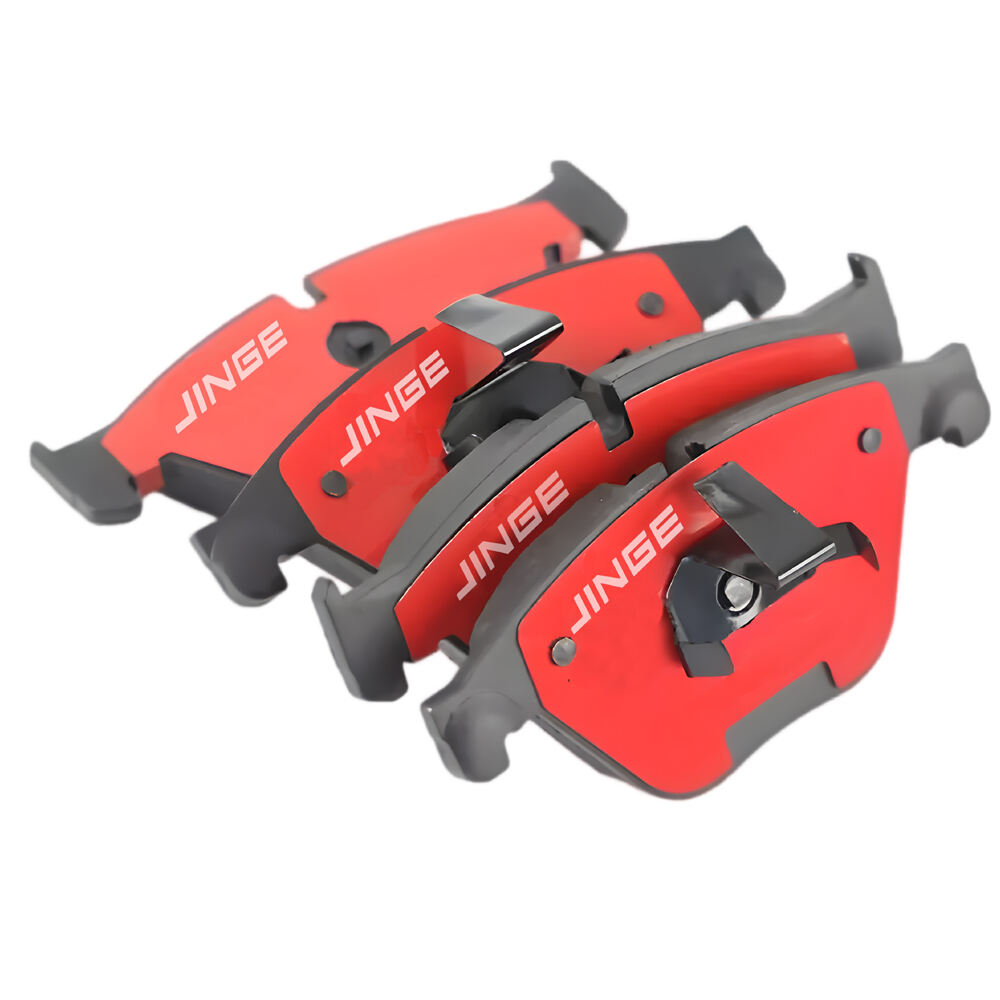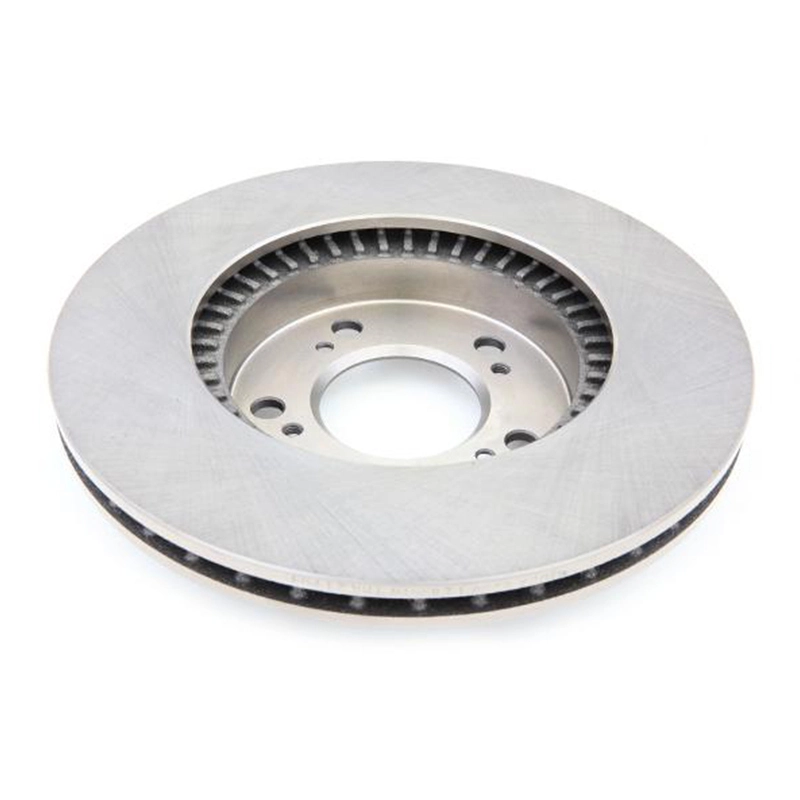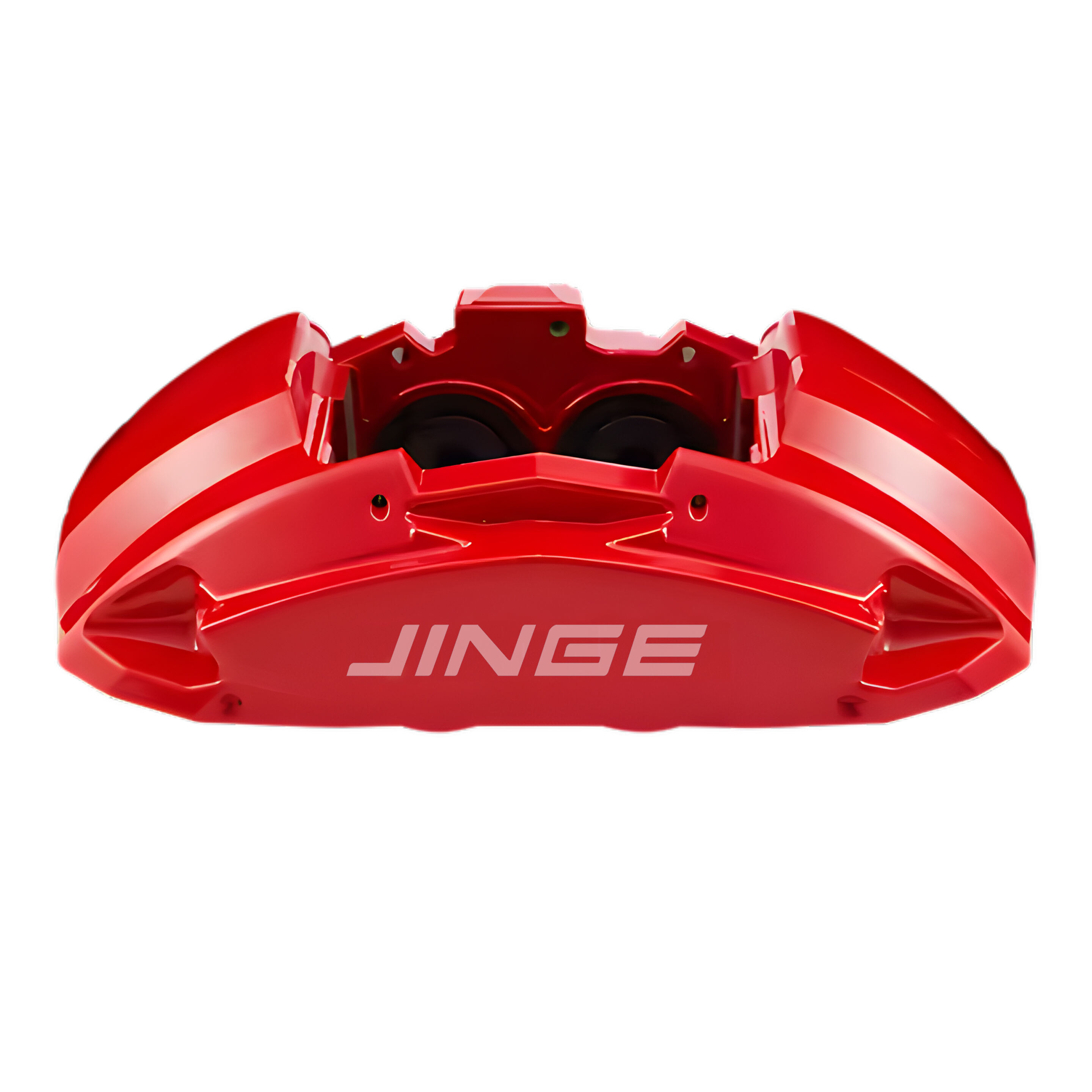
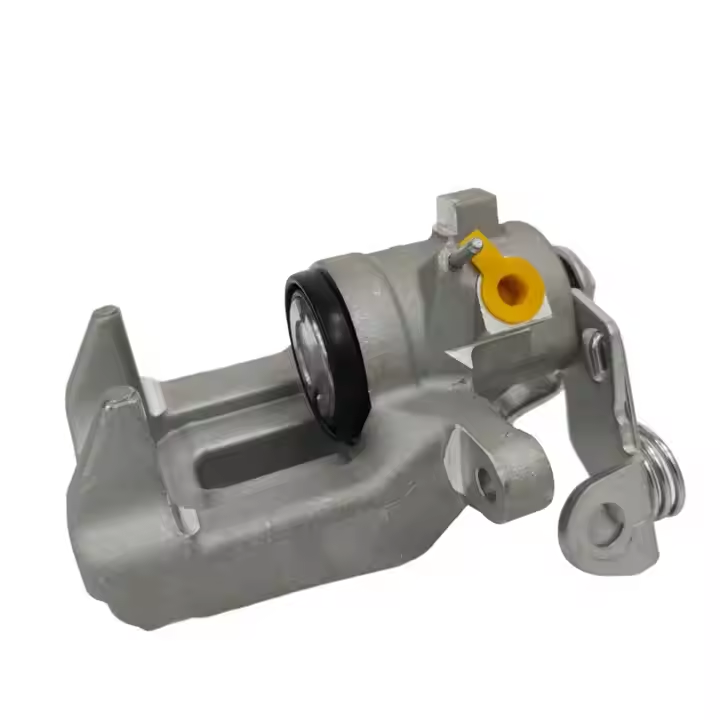
The evolution of brake lining materials mirrors advancements in automotive safety and environmental awareness, transitioning from asbestos-based compounds, once prized for heat resistance but now largely phased out due to health risks, to modern alternatives like ceramic-enhanced, low-metallic, or non-asbestos organic formulations that offer improved wear characteristics, reduced noise, and lower dust emissions, aligning with stricter global environmental and occupational safety standards. In practical application, the brake lining's contact with the brake drum must be consistent and full to avoid hotspots that cause thermal cracking or brake judder, a condition often remedied by precision drum machining or replacement alongside new lining installation to ensure a perfectly mated surface, thereby extending the life of both components and providing smoother braking. For fleet managers and safety auditors, implementing regular brake lining inspection protocols—using visual checks and thickness gauges—is a proactive measure to identify wear before it reaches critical limits, integrating this into preventive maintenance schedules that reduce roadside failures and associated downtime costs, particularly for commercial transport operations where reliability is paramount. Furthermore, the interplay between brake lining and other hydraulic components, like wheel cylinders and brake fluid, means that any leakage of fluid onto the lining can cause dramatic friction loss and require immediate replacement, highlighting the need for a holistic approach to brake system maintenance that considers all interrelated parts, ensuring that the brake lining functions as intended within the broader safety ecosystem of the vehicle, regardless of geographic operating environment or cultural maintenance practices.