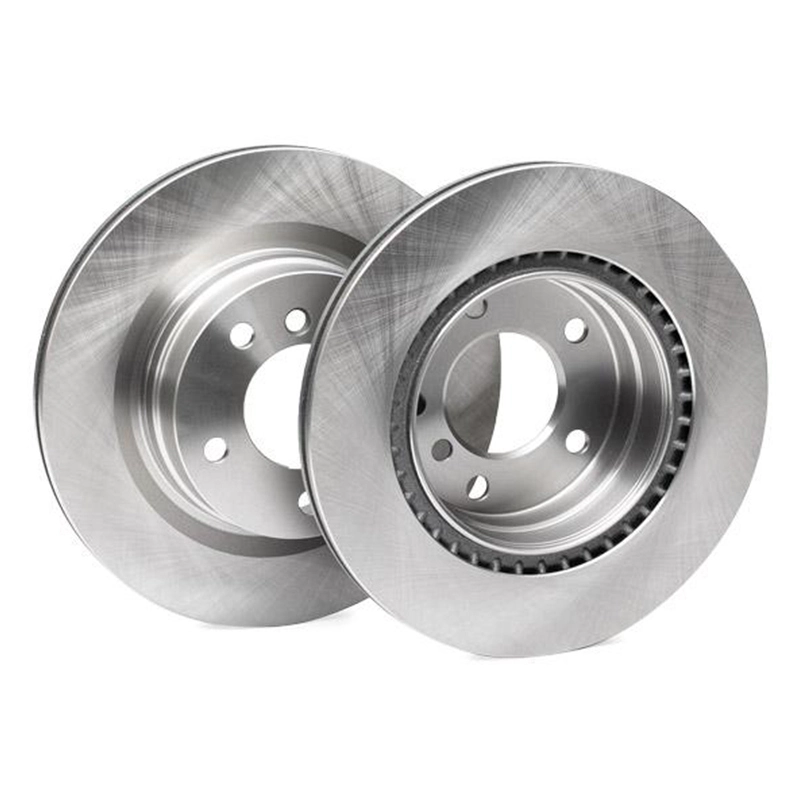
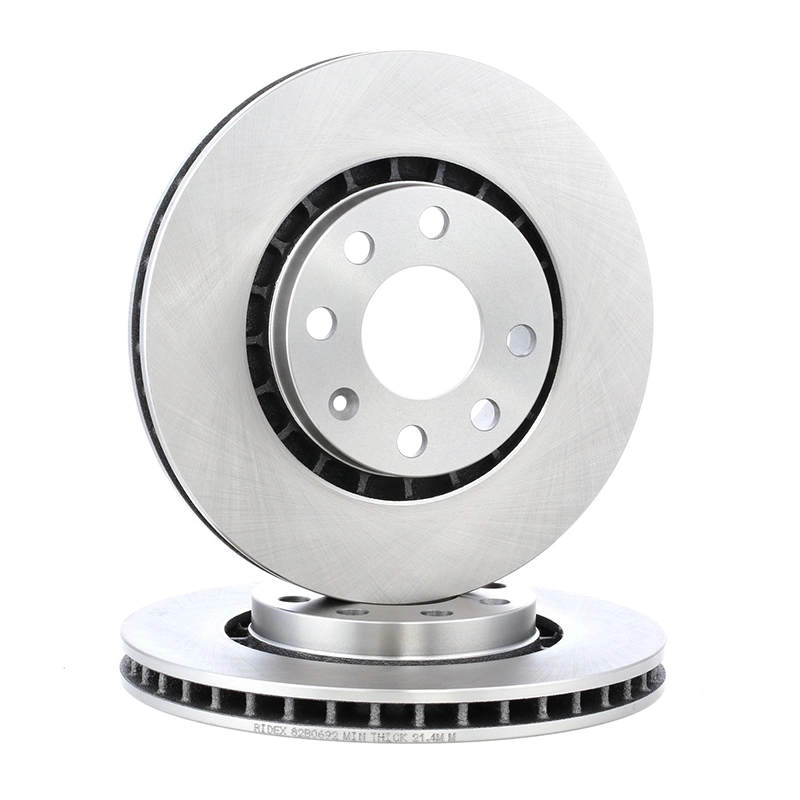
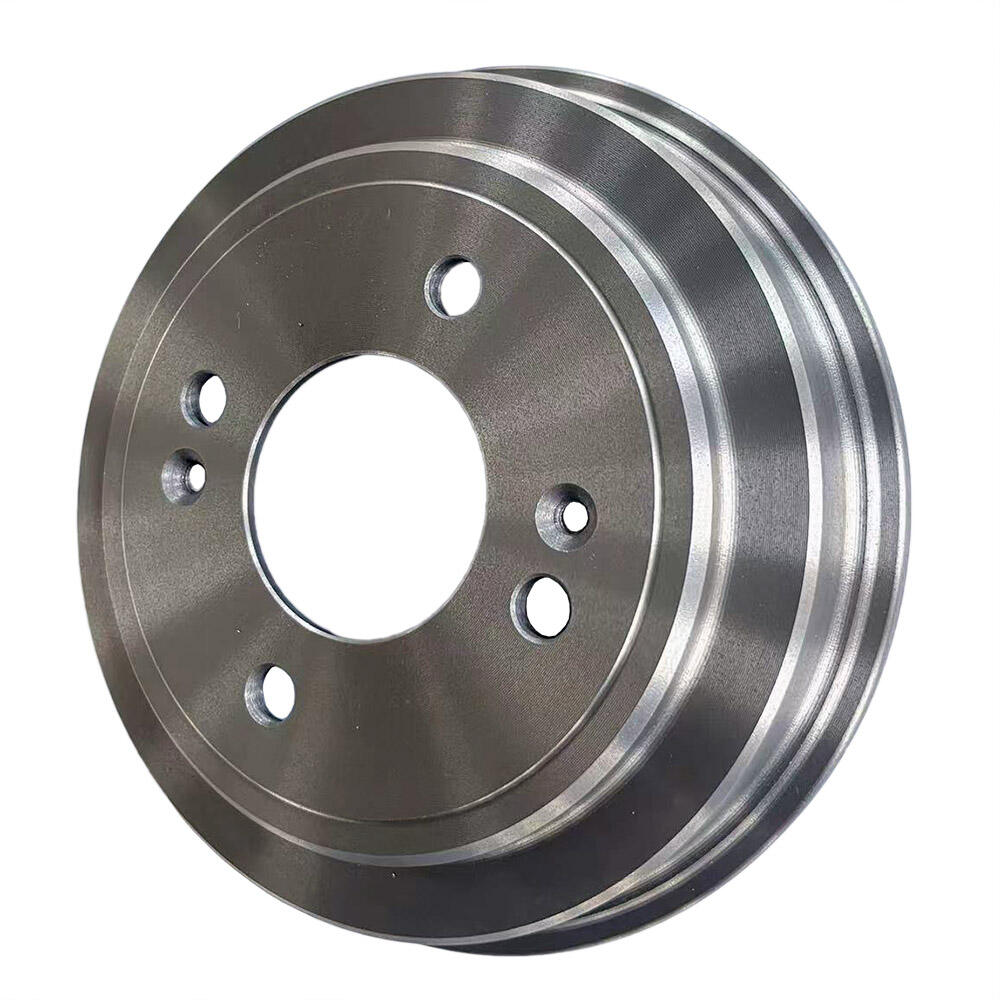
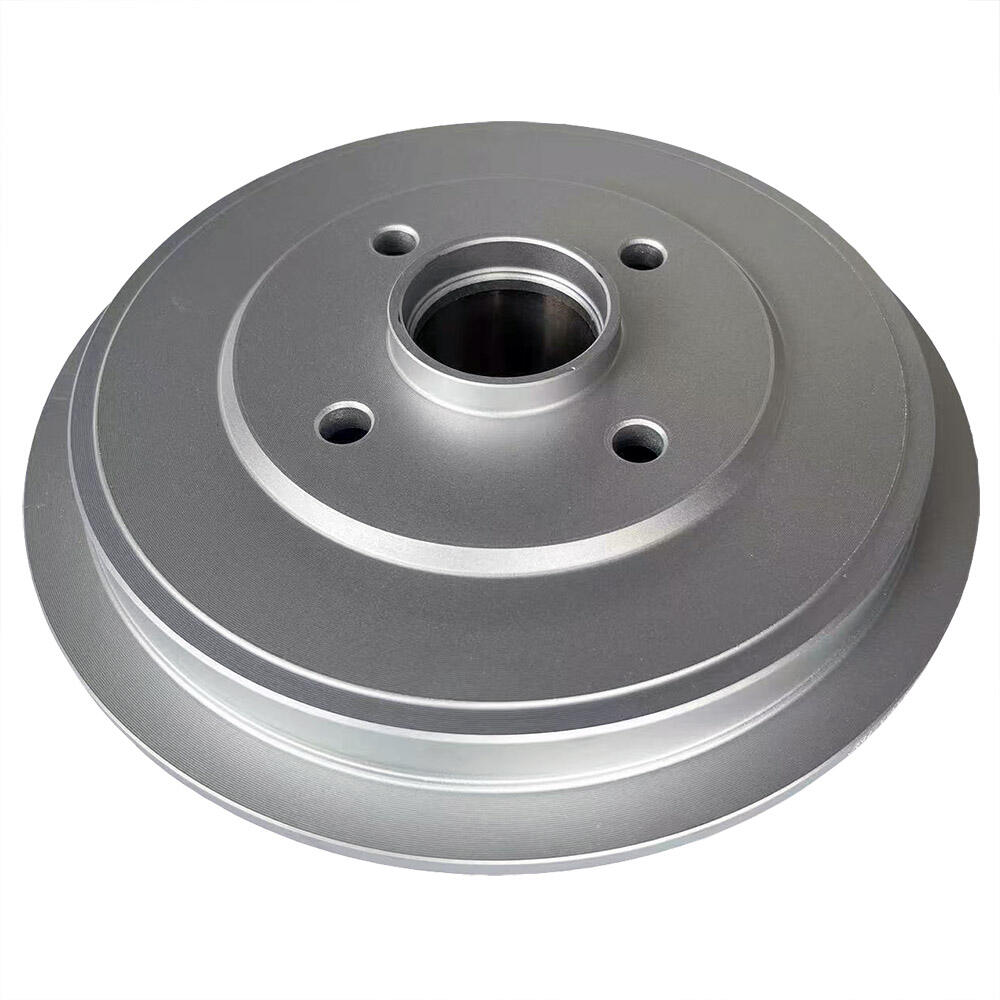
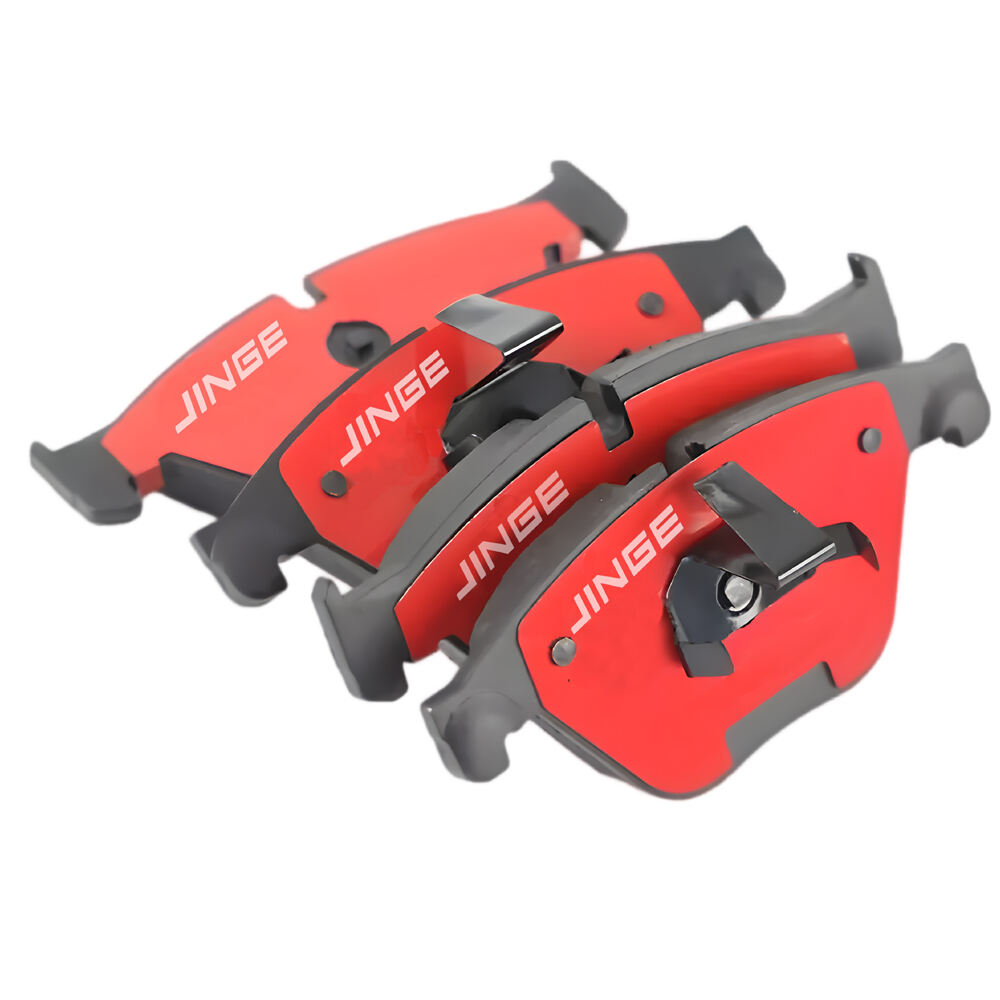
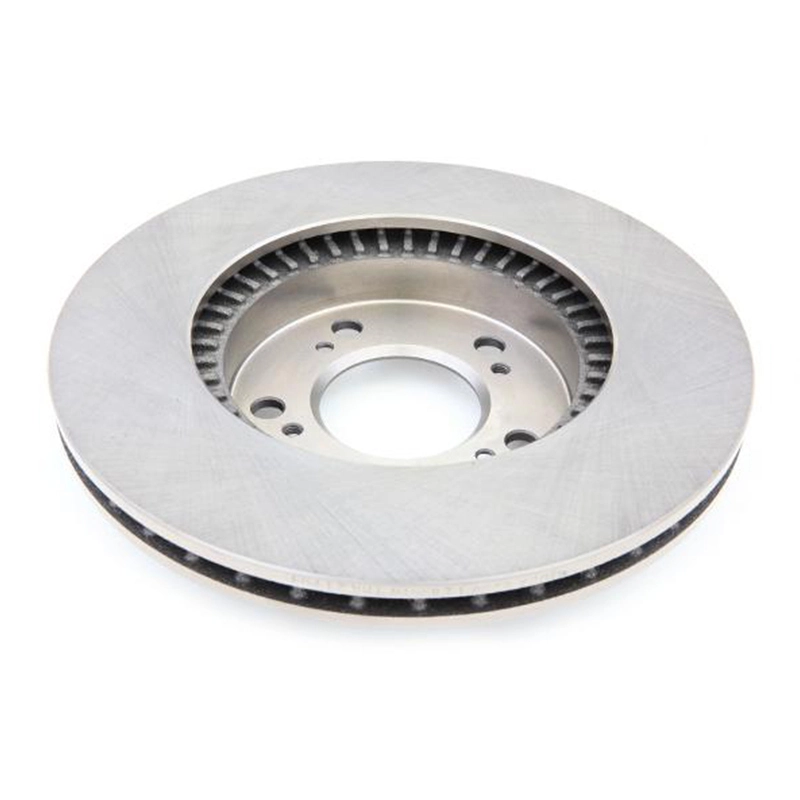
The acoustic profile and user comfort associated with braking are profoundly influenced by the design and material composition of the brake pad, making noise, vibration, and harshness (NVH) suppression a top-tier engineering challenge alongside pure stopping power. Brake pad squeal, a high-frequency noise occurring at specific pressure and temperature thresholds, is often the result of dynamic instability at the interface between the pad friction material and the brake disc, where stick-slip oscillations are excited; manufacturers combat this through sophisticated means such as integrating multi-layer shims with viscoelastic damping properties on the pad's backing plate, slotting or chamfering the pad edges to break up resonance patterns, and developing composite friction materials with embedded lubricants like graphite or copper to promote smoother, quieter sliding contact. Beyond audible squeal, brake pads can also generate low-frequency judder or pedal pulsation, often felt through the steering wheel, which is frequently attributed to uneven pad material transfer onto the brake disc or thickness variation (runout) of the disc itself, issues that proper bedding-in procedures and high-quality, consistently manufactured pads aim to prevent. The amount of dust generated by brake pad wear is another significant consumer consideration, with traditional semi-metallic pads often producing a copious amount of dark, iron-rich dust that adheres stubbornly to alloy wheels, while premium ceramic brake pads are celebrated for producing a lighter-colored, less abundant dust that is easier to clean, thereby enhancing aesthetic upkeep between washes. This dust, however, is more than a cosmetic concern; its composition and accumulation can also affect the performance of adjacent components like the wheel bearing, though modern sealed hub bearing units are designed to be highly resistant to such contamination. The thermal characteristics of the brake pad are equally crucial for comfort and safety, as a pad with poor heat dissipation or low thermal capacity may exhibit fade during sustained use, leading to a longer, mushier pedal travel and reduced driver confidence, whereas a well-engineered pad maintains a consistent bite and pedal feel across a wide temperature spectrum. In the context of electric and hybrid vehicles, brake pad development faces new paradigms, as regenerative braking significantly reduces the mechanical braking workload, which can lead to corrosion buildup on brake discs from disuse; pad formulations are thus evolving to maintain clean rotor surfaces and provide consistent performance even after periods of minimal use, all while operating more quietly to align with the quiet nature of EVs. Therefore, the modern brake pad is a masterpiece of compromise, silently and effectively balancing the relentless demands of friction, durability, heat management, quiet operation, and environmental cleanliness to deliver a seamless and reassuring braking experience for drivers across diverse cultural and driving contexts.

 EN
EN