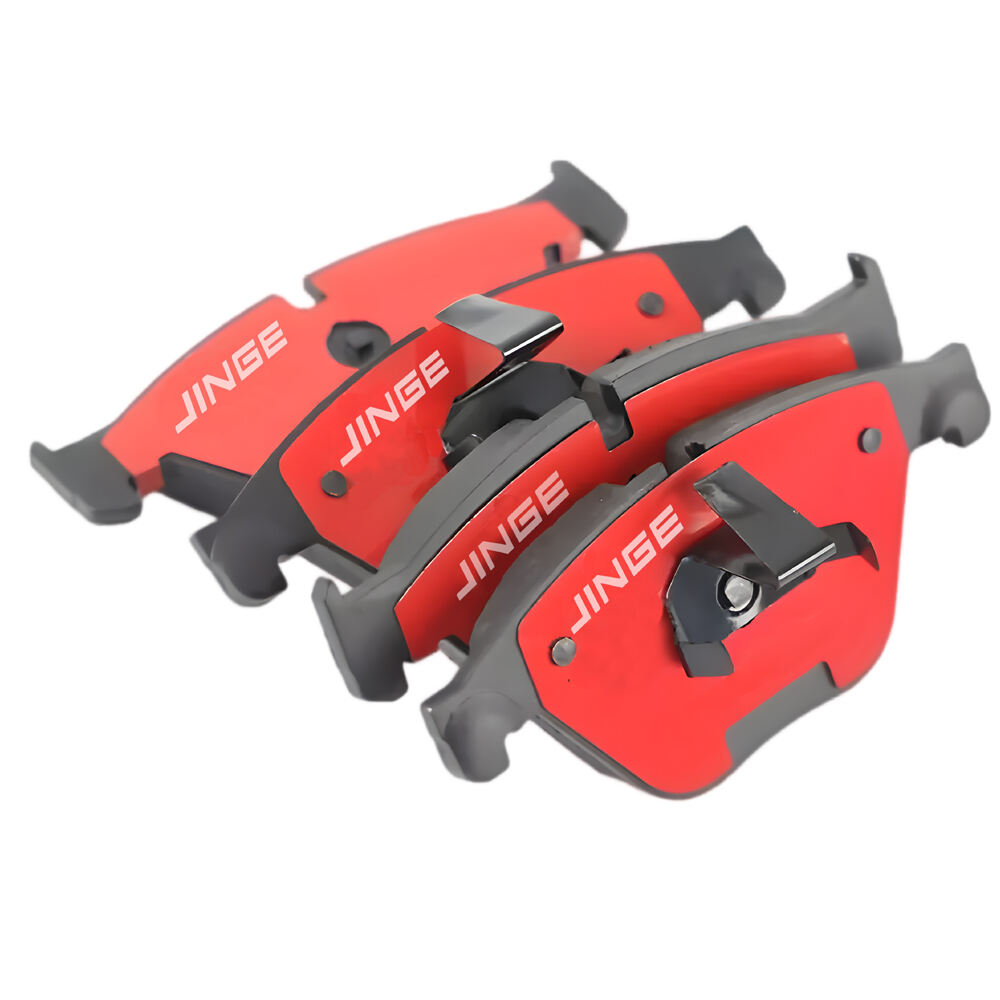
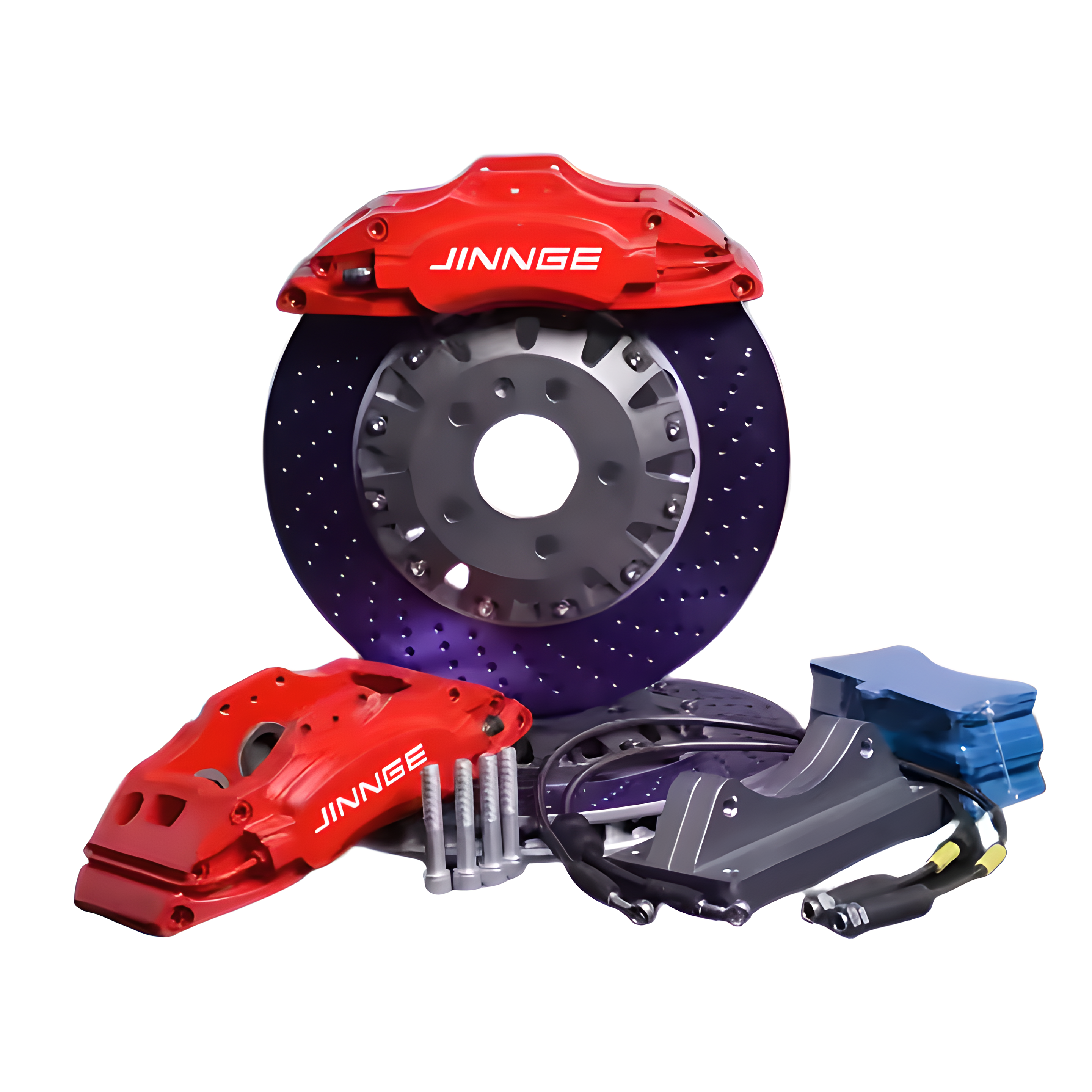
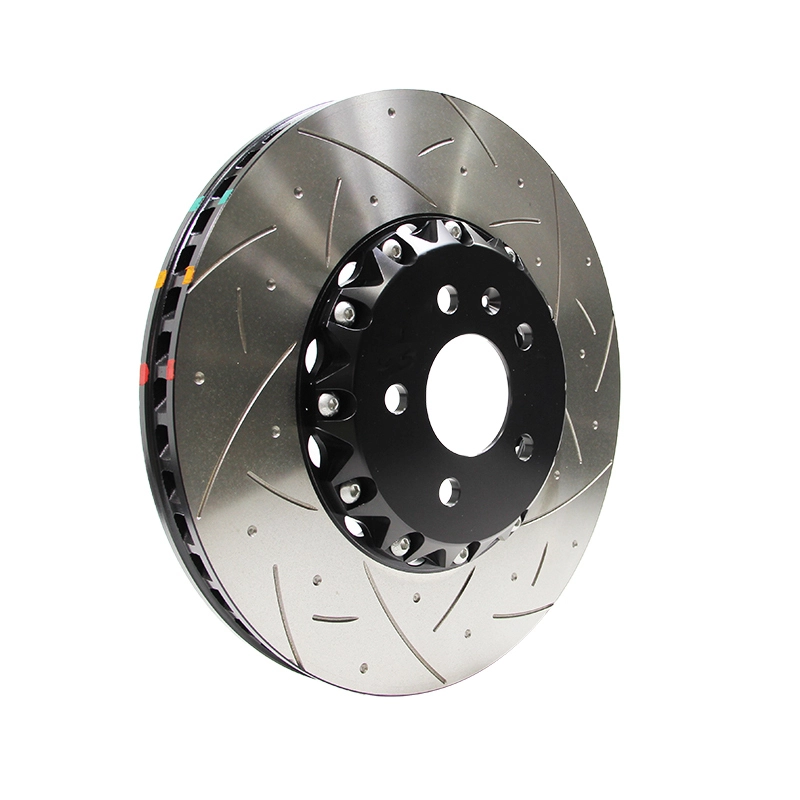
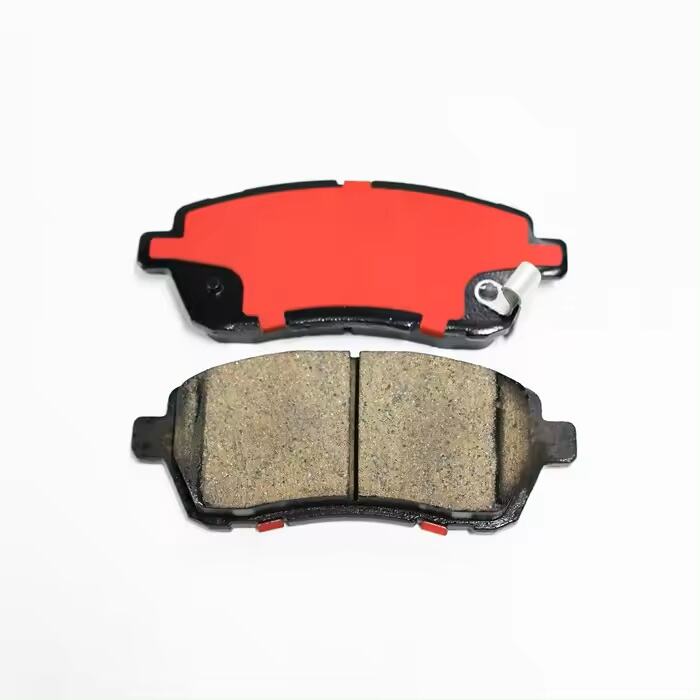

The brake shoe is an indispensable component within drum brake systems, serving as the foundational carrier for the friction material that interfaces directly with the rotating brake drum to decelerate the vehicle. Typically constructed from a stamped steel platform, the brake shoe provides a rigid base onto which the brake lining is either riveted or bonded, ensuring the friction material can withstand immense shear forces and thermal loads during braking. The design of a brake shoe is far from uniform; it is precisely curved to match the internal radius of its mating brake drum, and its geometry varies between the primary and secondary shoes in a typical duo-servo system, each playing a distinct role in force application and self-energizing action. The performance and longevity of a brake shoe are profoundly influenced by the quality of its lining material—be it organic, semi-metallic, or low-metallic formulations—and the integrity of its attachment. Common failure modes include uneven wear due to compromised wheel cylinder operation, cracked or glazed linings from overheating, and metal fatigue of the shoe itself. Proper maintenance necessitates regular inspection for lining thickness, checking for contamination by brake fluid or grease, and ensuring the shoe's contact points with the backing plate are free from excessive corrosion that could impede movement. The installation of a new brake shoe requires meticulous cleaning of the backing plate, proper lubrication of contact ledges, and correct engagement with the hold-down hardware and adjuster mechanisms to guarantee free return and consistent clearance. As a critical safety element, the brake shoe must operate in perfect harmony with the brake drum, wheel cylinders, and return springs; any mismatch can lead to reduced braking efficiency, pulling, noise, or premature failure. Therefore, a comprehensive understanding of the brake shoe encompasses its material composition, its specific function within the drum brake assembly, the common diagnostic indicators of wear or malfunction, and the precise installation procedures that ensure reliable and safe vehicle operation across diverse driving conditions and global market standards.