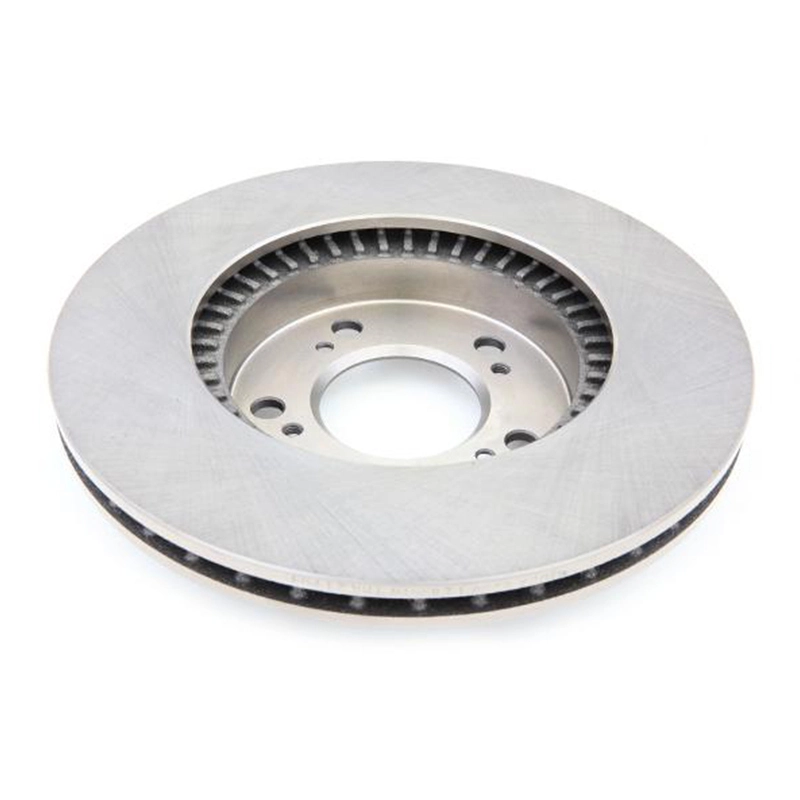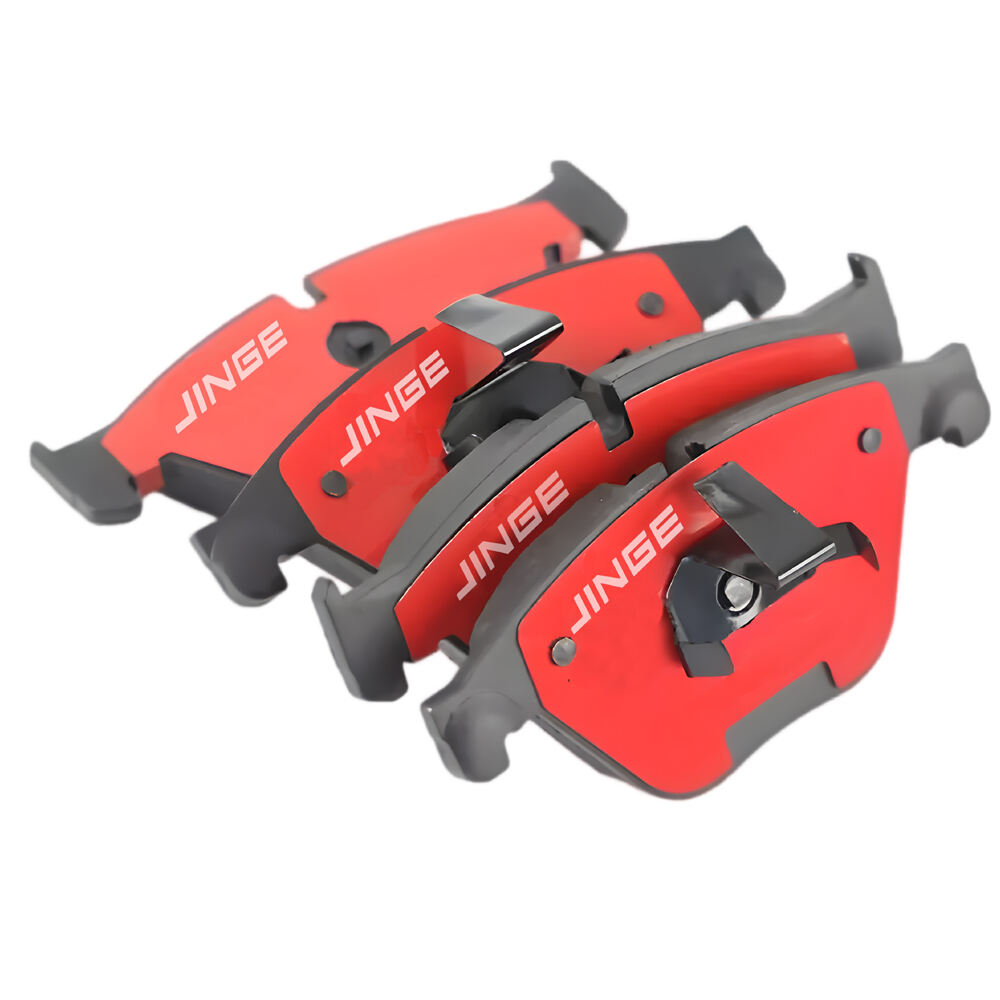
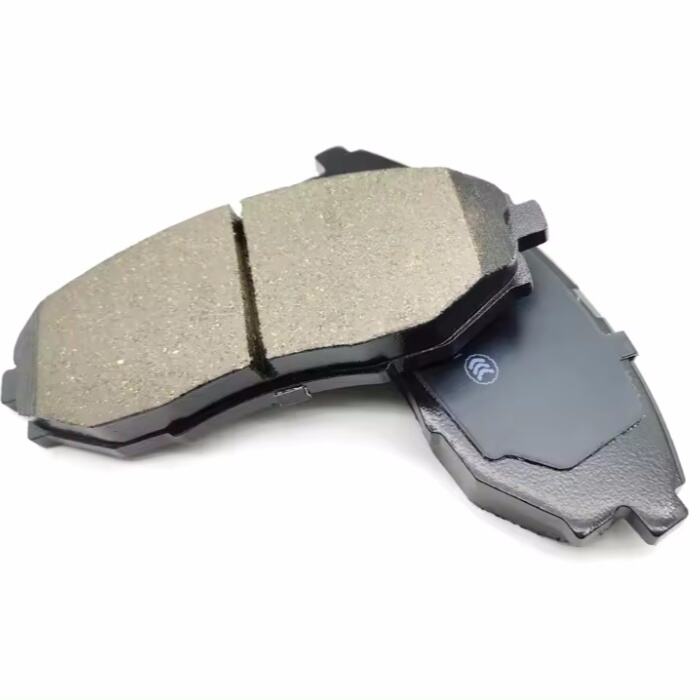
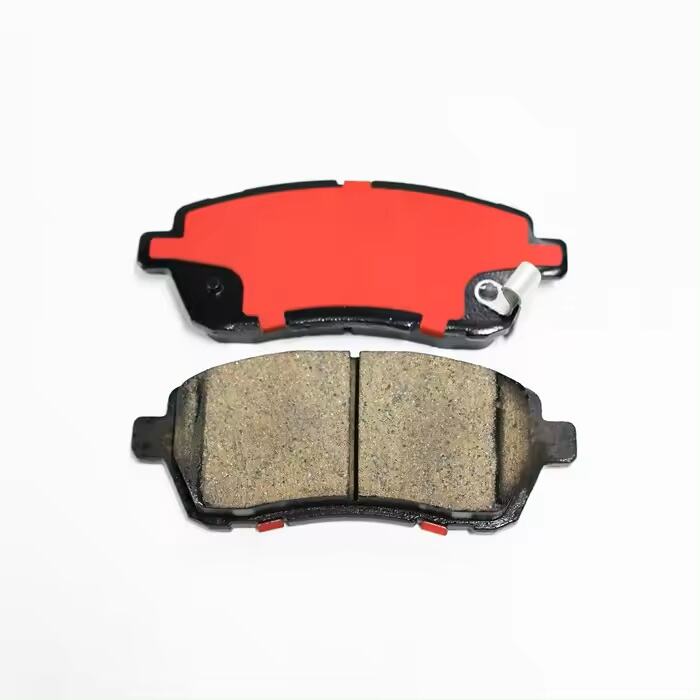
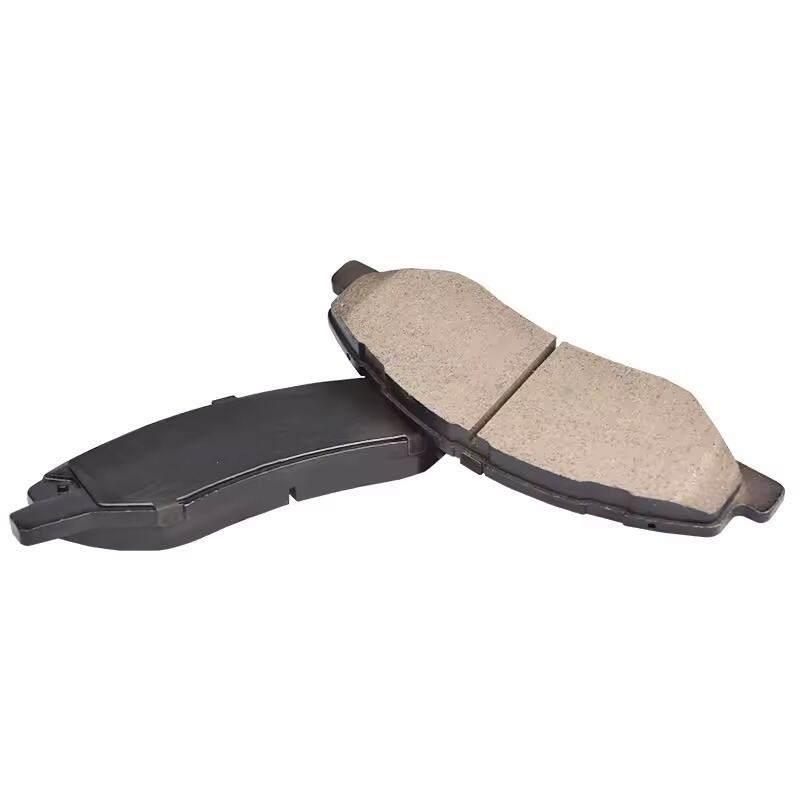
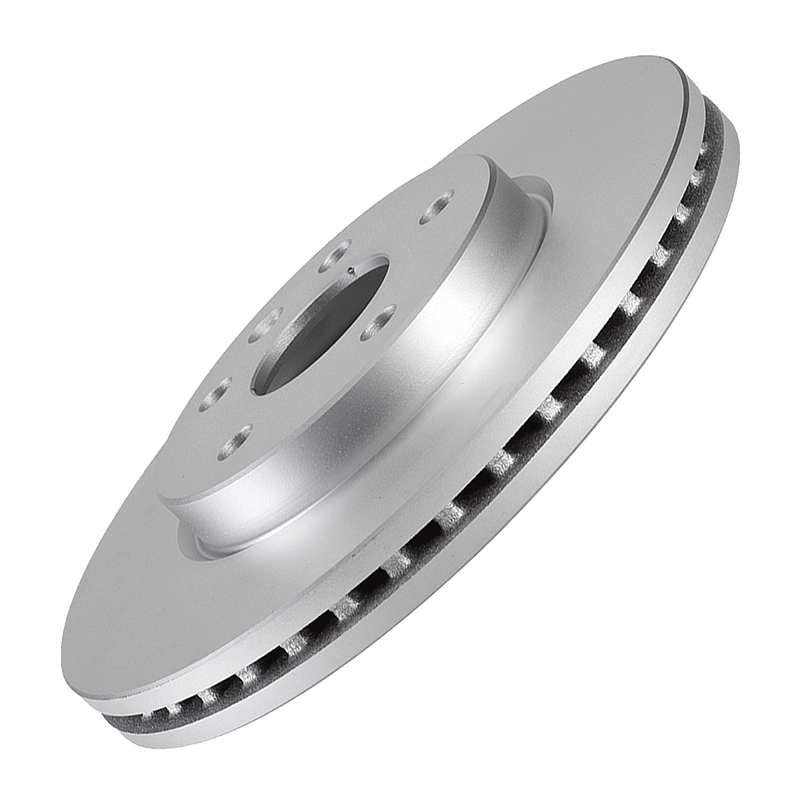

Understanding the intricate relationship between a vehicle's braking system and its overall dynamics highlights why brake pads are considered a consumable component requiring periodic inspection and replacement. Their design is a complex compromise between achieving a high coefficient of friction for effective stopping and minimizing adverse effects such as excessive heat transfer to the brake fluid or abrasive wear on the brake disc. The backing plate of a brake pads set is more than just a mounting bracket; it is typically made from high-grade, rust-resistant steel and is engineered to provide a stable foundation that prevents warping under extreme thermal stress, ensuring the friction material remains in full, even contact with the rotor. Many high-quality brake pads incorporate an intermediate layer, often a rubber-based insulating shim or a special adhesive, between the backing plate and the friction material to dampen high-frequency vibrations that are a primary cause of audible brake squeal, a common consumer complaint. The edges of the friction material are frequently chamfered, or beveled, a design feature that helps prevent a sharp leading edge from digging into the rotor's surface, which can cause noise and uneven pad material transfer, leading to brake judder. When purchasing brake pads, consumers should look for clear indications of quality, such as precise fitment (often guaranteed by OE matching), certification markings that comply with regional safety standards, and packaging that protects the friction surface from contamination by oils or dirt before installation. Professional mechanics emphasize that proper brake pads installation is as important as the product itself, which includes cleaning and lubricating slide pins, inspecting and resurfacing or replacing the rotors if necessary, and following a meticulous bed-in procedure to properly transfer a thin, even layer of friction material onto the rotor, ensuring optimal performance from the first stop. The trend toward global sustainability is also influencing brake pads manufacturing, with leading producers implementing environmentally conscious practices, like using water-based coatings on backing plates and ensuring all production waste is responsibly managed, aligning product quality with corporate responsibility. For performance enthusiasts, the market offers specialized brake pads formulations designed for track use, which sacrifice low-noise and low-dust characteristics for exceptional fade resistance at temperatures far exceeding those seen in normal street driving, demonstrating the product category's vast specialization. In conclusion, the selection of brake pads is a decision that directly influences a vehicle's safety envelope, driving comfort, and long-term maintenance costs, making it imperative to choose a product engineered with precision, backed by rigorous testing, and supplied by a manufacturer with a proven track record in the automotive industry.