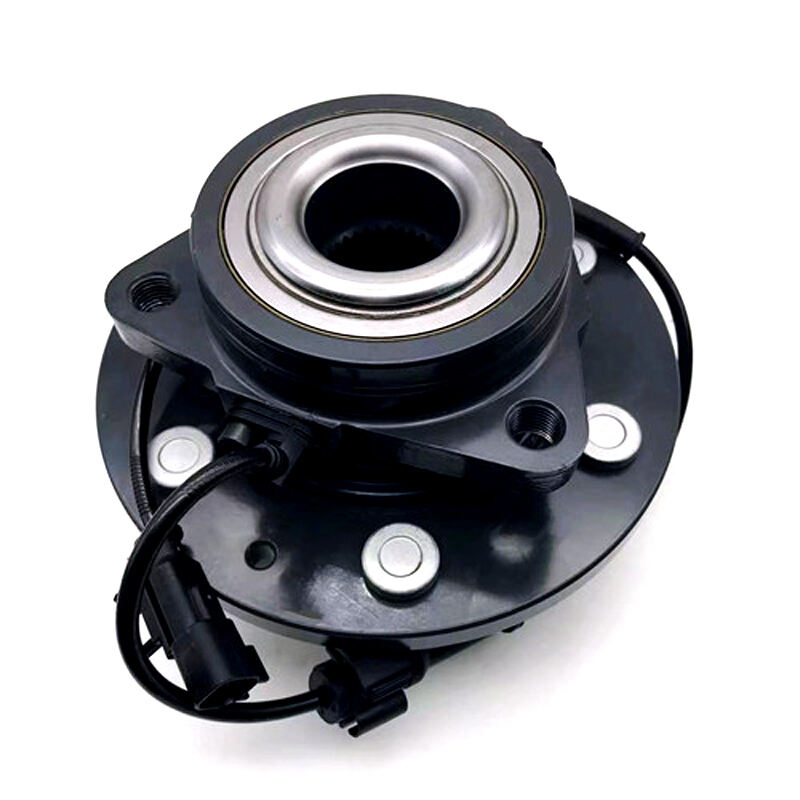
As a vital link between the wheel and vehicle chassis, the wheel bearing ensures smooth rotational motion by minimizing friction, supporting substantial weight, and withstanding lateral forces encountered during driving maneuvers. This component, typically comprising hardened steel balls or rollers housed within concentric races, is engineered for longevity but degrades over time due to factors like water ingress, dirt contamination, or mechanical fatigue, leading to telltale signs such as grinding or growling noises that change with vehicle speed or steering angle. Neglecting these warnings can precipitate complete bearing failure, resulting in wheel vibration, erratic braking behavior, or even separation of the wheel assembly, underscoring the necessity for prompt inspection and replacement. Accurate diagnosis often involves lifting the vehicle to check for horizontal play in the wheel or using specialized tools to measure rotational resistance, as distinguishing bearing issues from similar symptoms caused by tire problems or brake drag is crucial for effective repair. Contemporary automotive designs increasingly utilize integrated hub bearing units that combine the bearing, hub, and often an ABS sensor ring into a single sealed module, requiring careful handling during installation to preserve sensor functionality and avoid preload errors. When choosing a wheel bearing, key considerations include load ratings that match vehicle specifications, robust sealing mechanisms (like triple-lip seals) to protect against environmental hazards, and material composition that resists corrosion and thermal stress. The bearing's condition also has ripple effects on adjacent systems; for instance, wear-induced play can lead to uneven brake pad contact or cause ABS false triggers, compromising safety systems. Therefore, regular maintenance—such as listening for abnormal sounds and ensuring proper lubrication in serviceable bearings—coupled with the use of premium replacement parts, is imperative for maintaining vehicle integrity. By appreciating the wheel bearing's multifaceted role in enabling safe and efficient travel, drivers and technicians can prioritize its upkeep, fostering enhanced driving stability, reduced operational noise, and prolonged component life, which collectively reinforce its significance in automotive performance and safety.