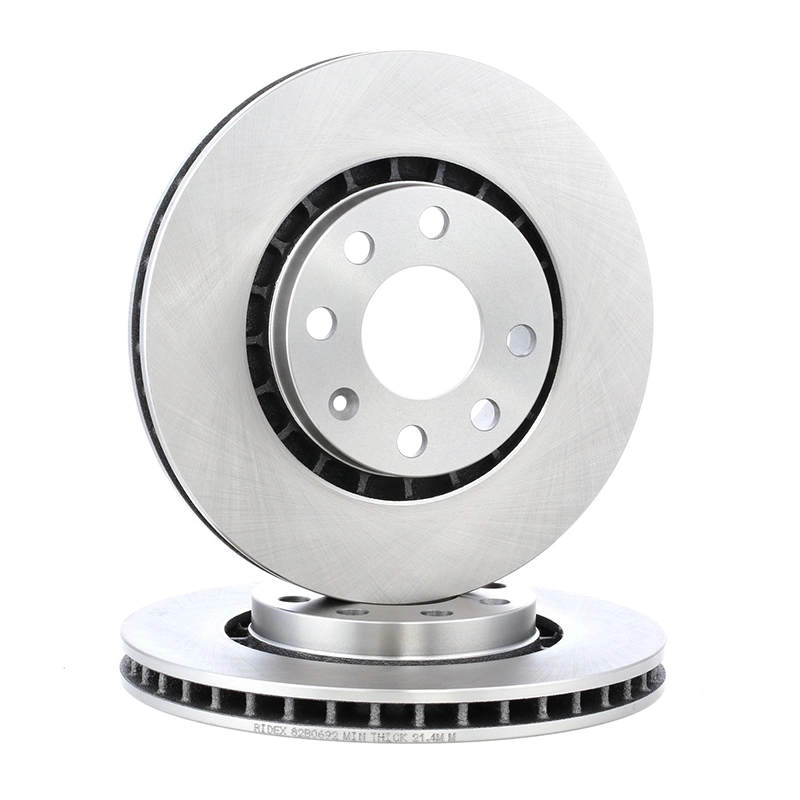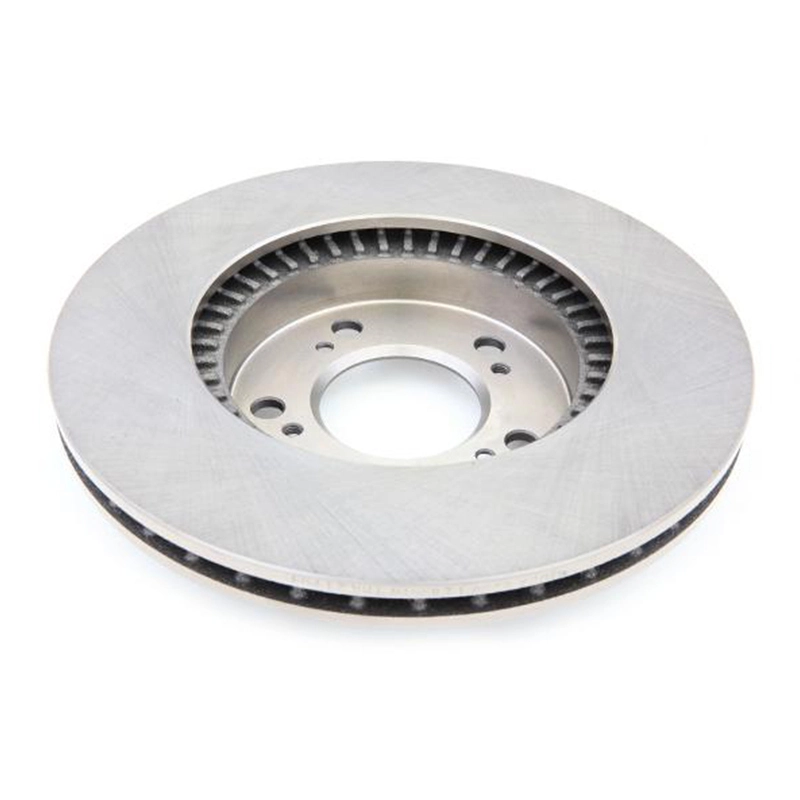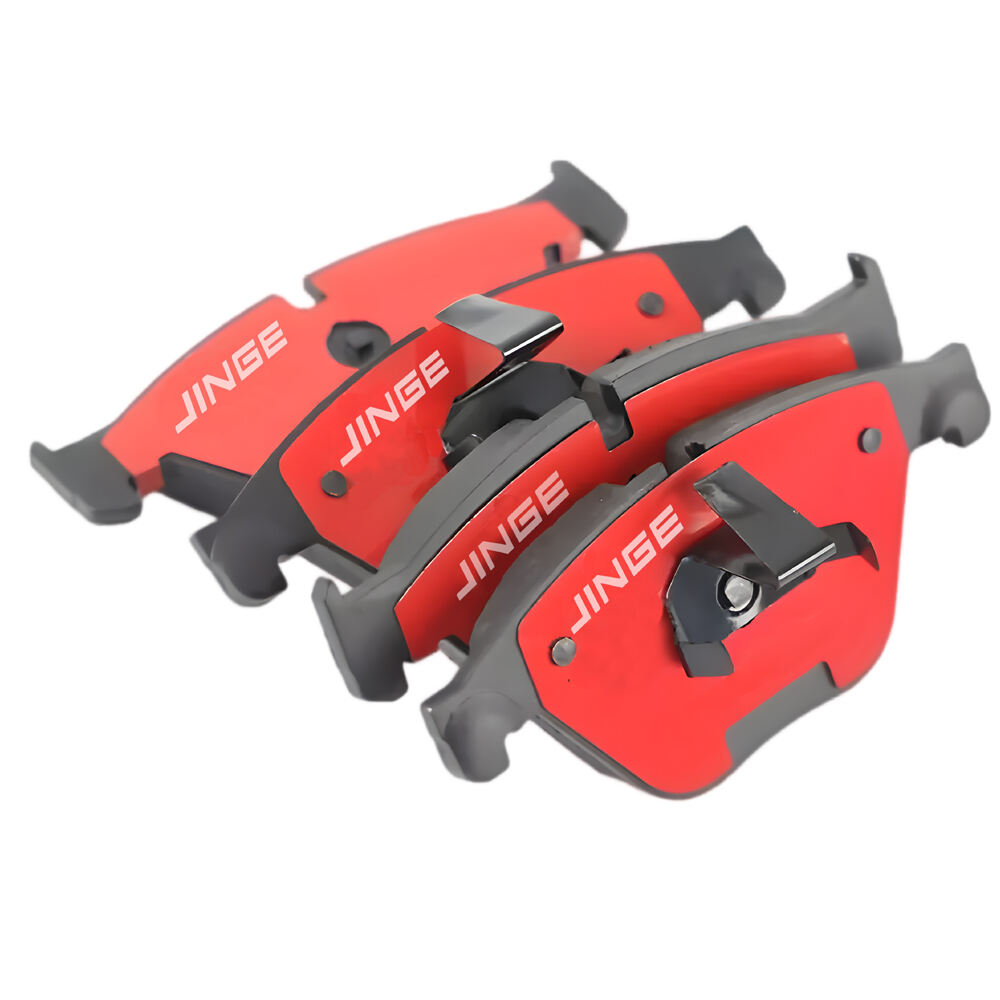
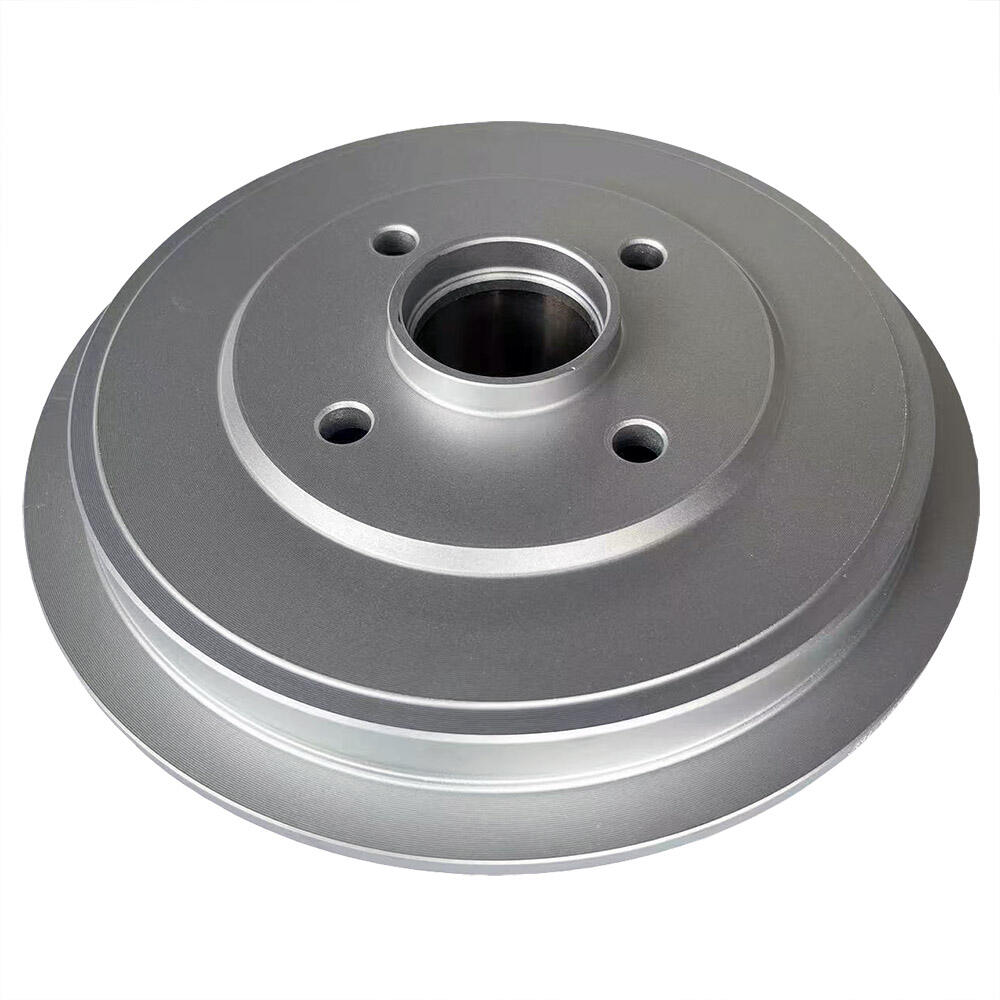
In the detailed orchestration of vehicle deceleration, the brake caliper performs the essential role of the clamping mechanism, directly responsible for applying the friction material to the rotating disc with precision and force. This assembly's effectiveness is determined by its structural integrity, hydraulic efficiency, and thermal management capabilities. The hydraulic pressure generated by the master cylinder is delivered to the caliper, where it acts upon the piston(s), creating a linear force that is multiplied by the caliper's mechanical advantage. The prevalent floating caliper design utilizes a single piston to generate force, with the caliper body moving to apply pressure on the outboard pad, whereas a fixed caliper employs pistons on both sides of the rotor for more immediate and even pressure distribution, reducing response time and improving feel under heavy use. A significant operational challenge is dissipating the substantial heat generated from friction; poor heat management can result in brake fluid boiling, seal failure, and temporary loss of braking power known as fade. Consequently, caliper design often includes features to promote cooling and uses materials like aluminum to aid heat transfer. The internal rubber components, specifically the piston seals, are vital for maintaining hydraulic pressure and ensuring piston retraction; their deterioration due to heat, age, or contaminated fluid is a common failure point. Across different regions and driving conditions, proactive caliper maintenance is a recognized necessity, involving regular checks for fluid leaks, ensuring slide pins are clean and lubricated, and confirming that pistons operate freely without sticking. The brake caliper, as the direct interface between hydraulic command and mechanical braking action, is a cornerstone of vehicle safety systems, and its reliable function is a universal concern, necessitating a common understanding of its operation, potential issues, and maintenance requirements among the global automotive community.