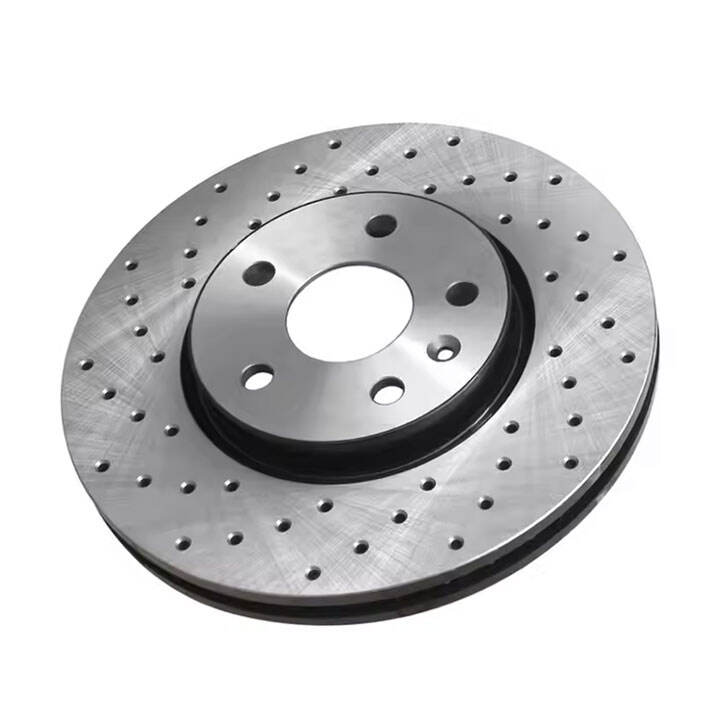
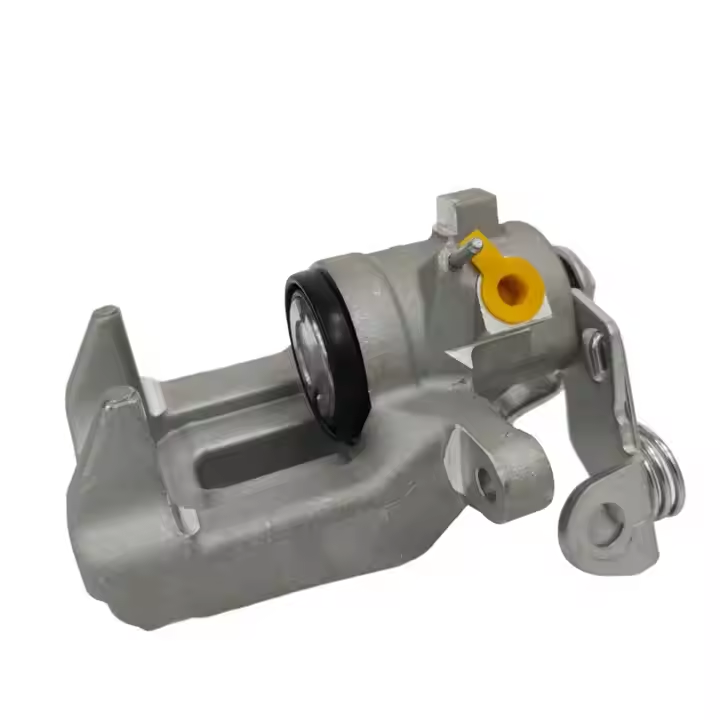
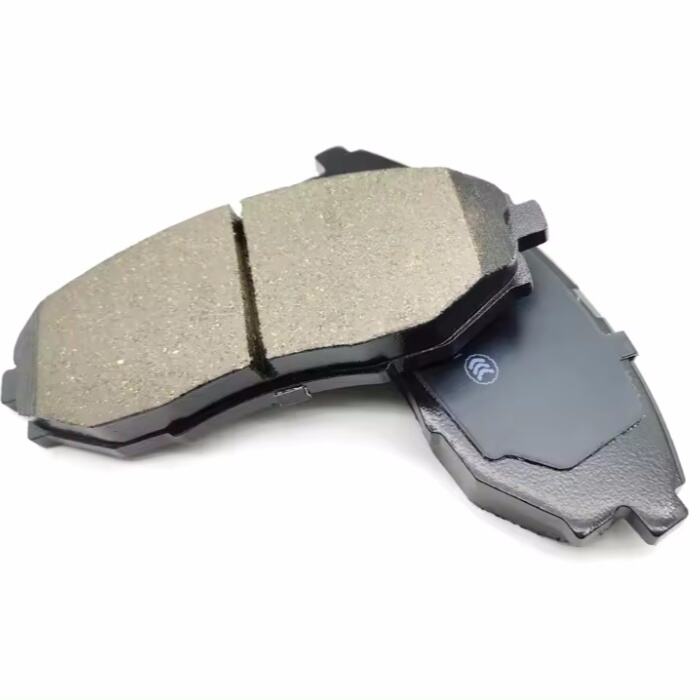
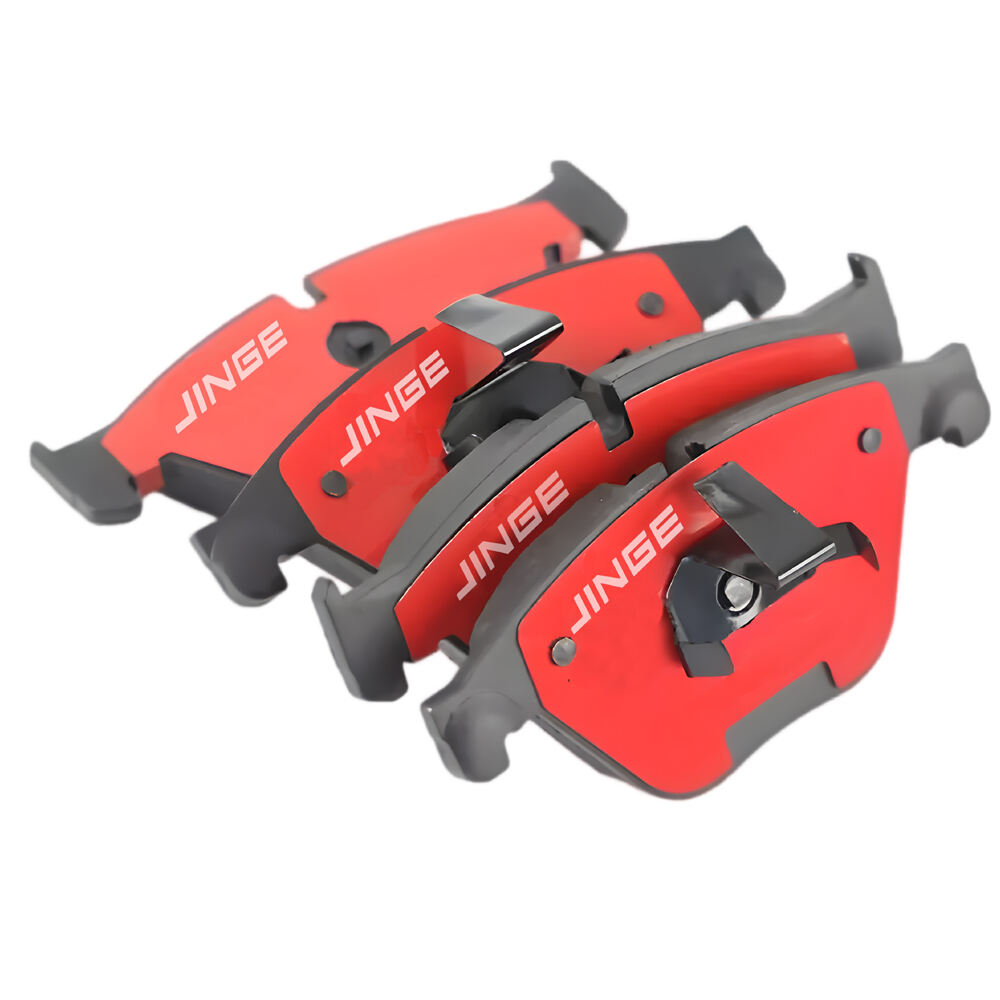
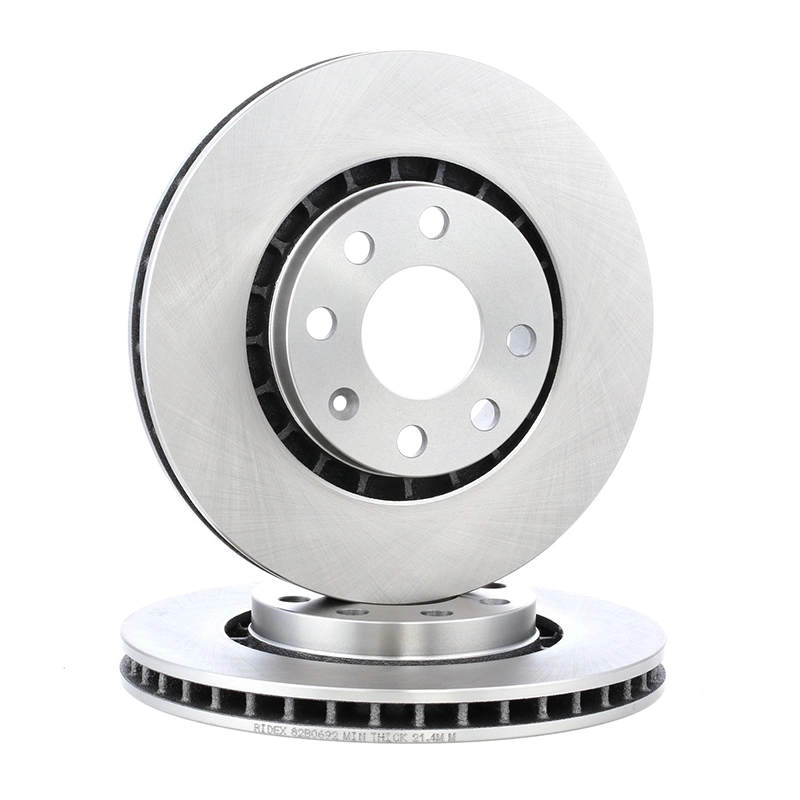
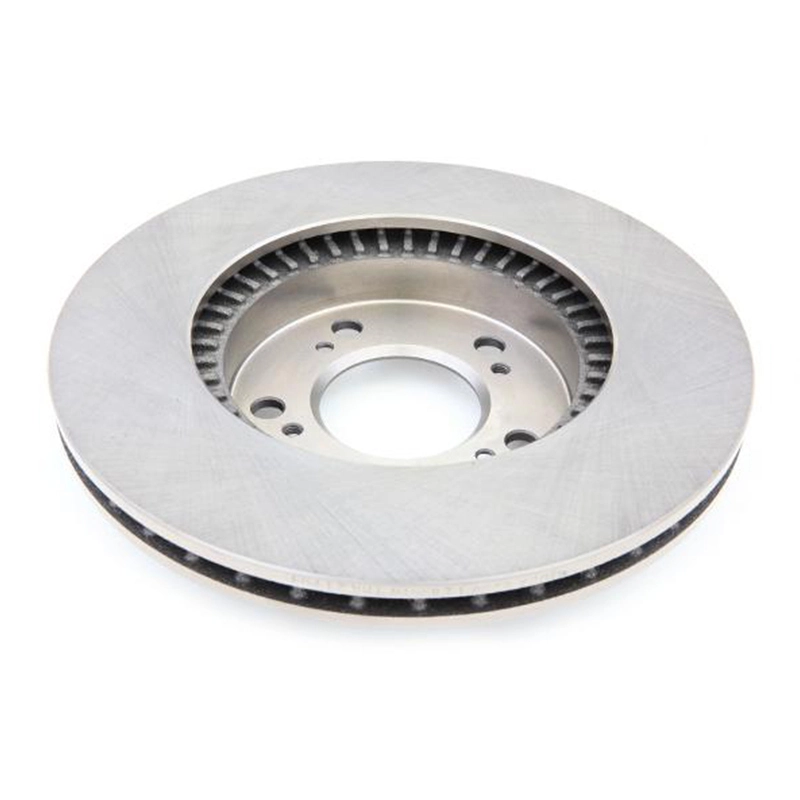
For the automotive enthusiast and performance driver, the upgrade path for braking systems often begins with selecting a specialized brake pad tailored to specific driving disciplines, whether it be spirited street driving, competitive track days, or off-road adventures, where the demands on friction materials diverge significantly from standard commuting. A track-focused brake pad, for instance, is formulated with a very high coefficient of friction that remains stable at extreme temperatures, often exceeding 800°C, to resist fade during repeated hard braking from high speeds; however, this comes with trade-offs such as increased rotor wear, higher dust production, and typically requiring a higher operating temperature to reach optimal effectiveness, making them less suitable and potentially unsafe for cold street use. Conversely, a high-quality street-performance brake pad seeks a more balanced profile, offering improved initial bite and pedal feel over OEM pads, better resistance to moderate fade during canyon runs, while still maintaining acceptable cold performance, low noise, and manageable dust levels for daily usability. The installation of such performance brake pads must be accompanied by a thorough brake system inspection, ensuring that brake discs are in good condition with adequate thickness and are properly bedded with the new pads, that brake calipers are functioning without sticky pistons or seized slide pins, and that the brake fluid is fresh and has a high dry boiling point to handle the increased thermal load. It is also critical to understand that upgrading brake pads alone has its limits; the entire braking system is a heat management unit, and excessive heat generated by aggressive pads can overwhelm standard brake discs, leading to cracking or warping, or boil standard brake fluid, highlighting the need for a systemic approach when pursuing significant performance gains. The symbiotic relationship between the brake pad and the brake disc is especially pronounced in performance contexts, where slotted or drilled rotors are often paired with specific pad compounds to aid in gas evacuation, clean the pad surface, and improve wet-weather performance, though not without potential trade-offs in rotor structural integrity under extreme stress. Ultimately, for the discerning driver, the brake pad is a key tuning element, allowing customization of the brake system's character—its pedal firmness, bite point, noise level, and endurance—making an informed, application-specific selection one of the most cost-effective ways to enhance both the safety and enjoyment of driving.

 EN
EN