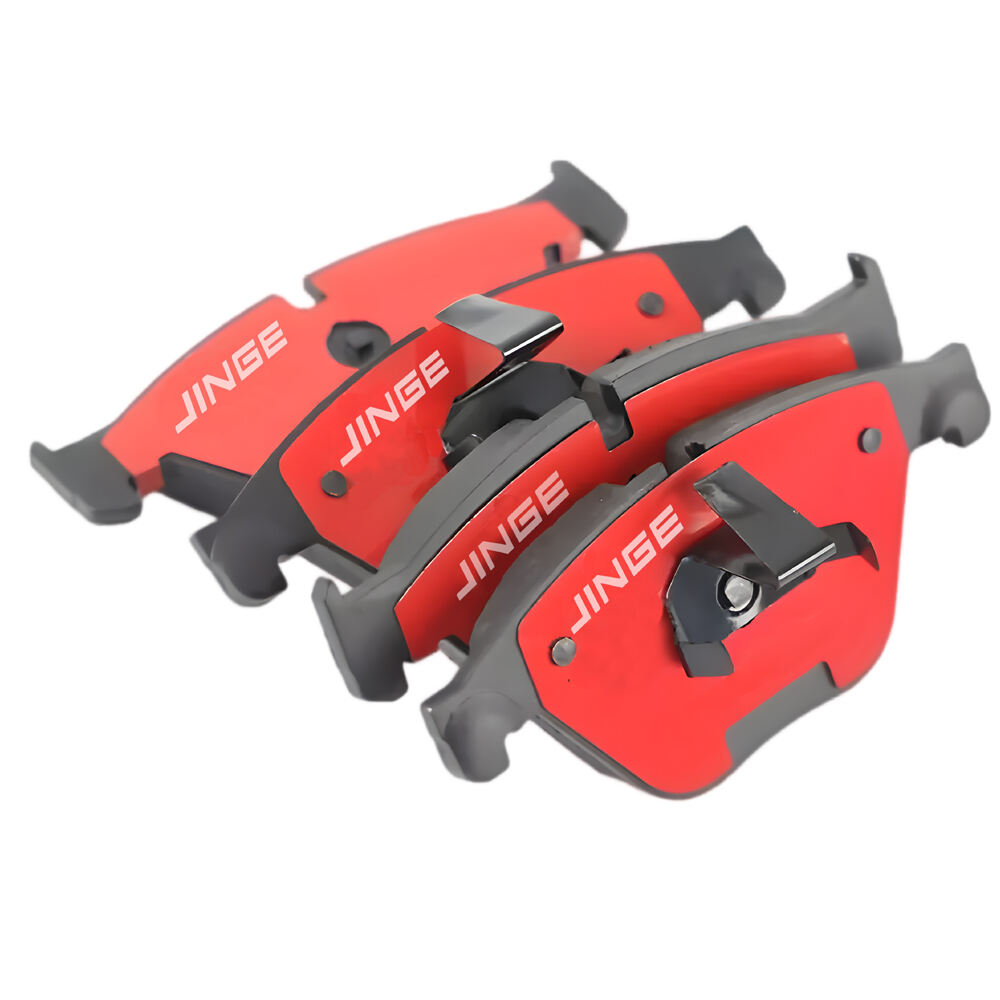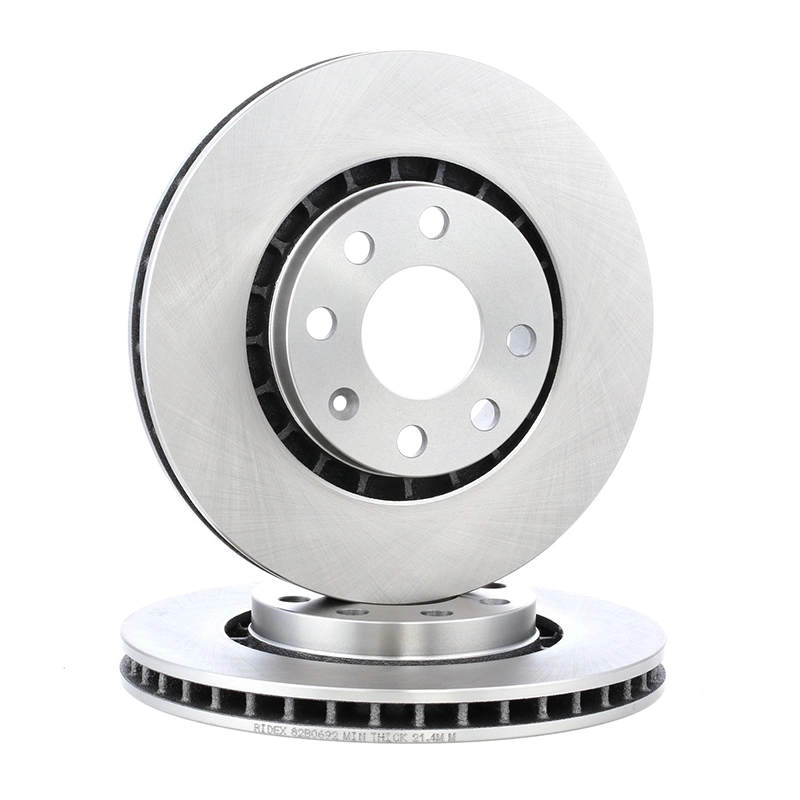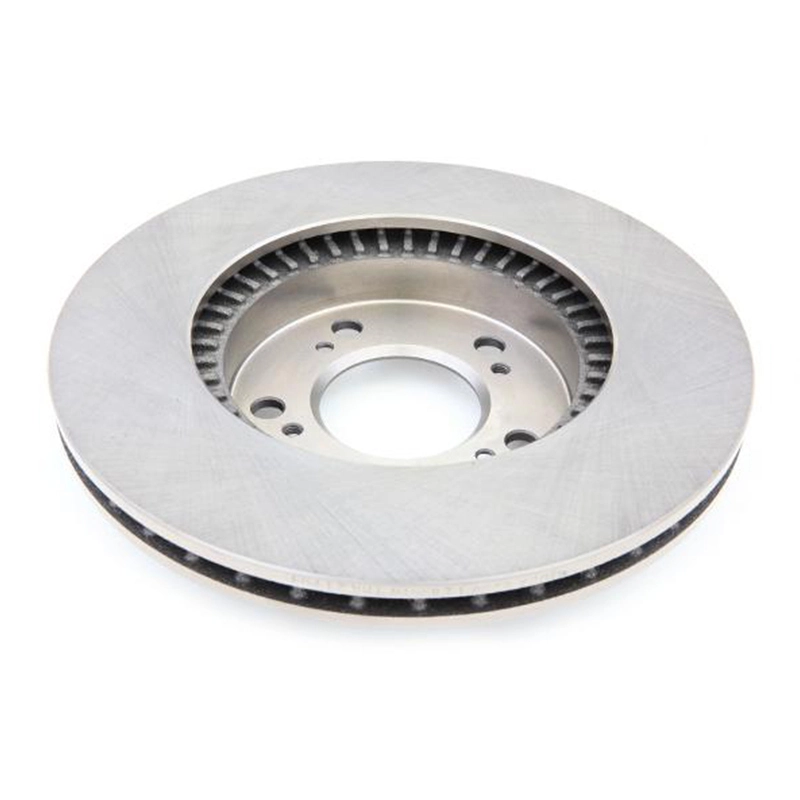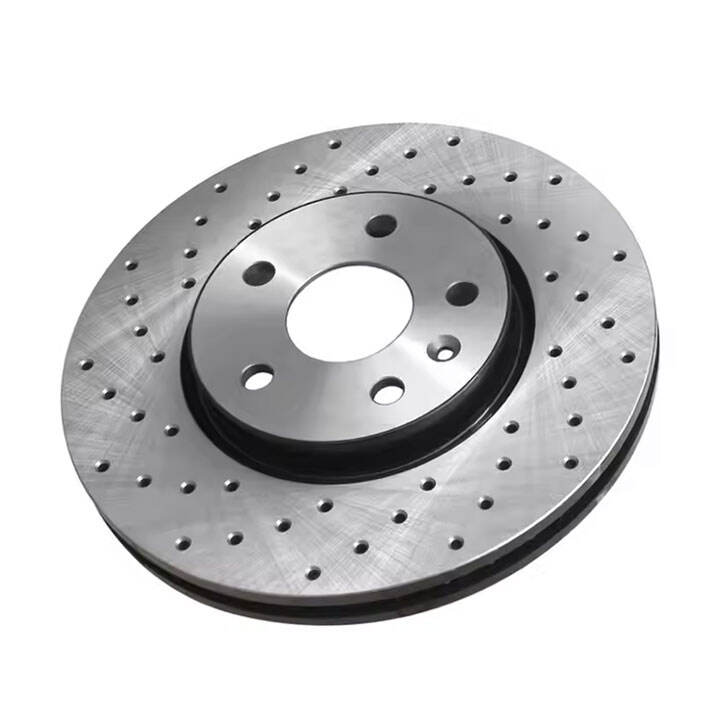
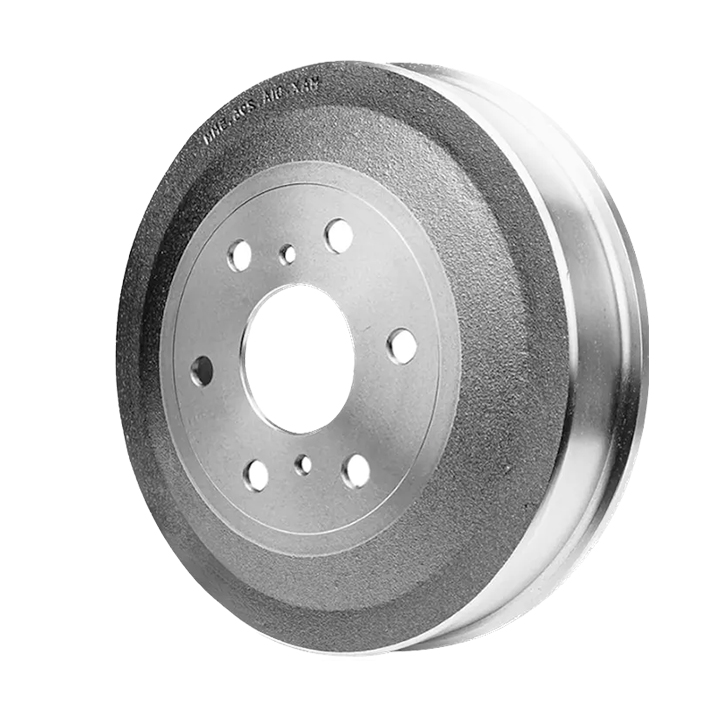
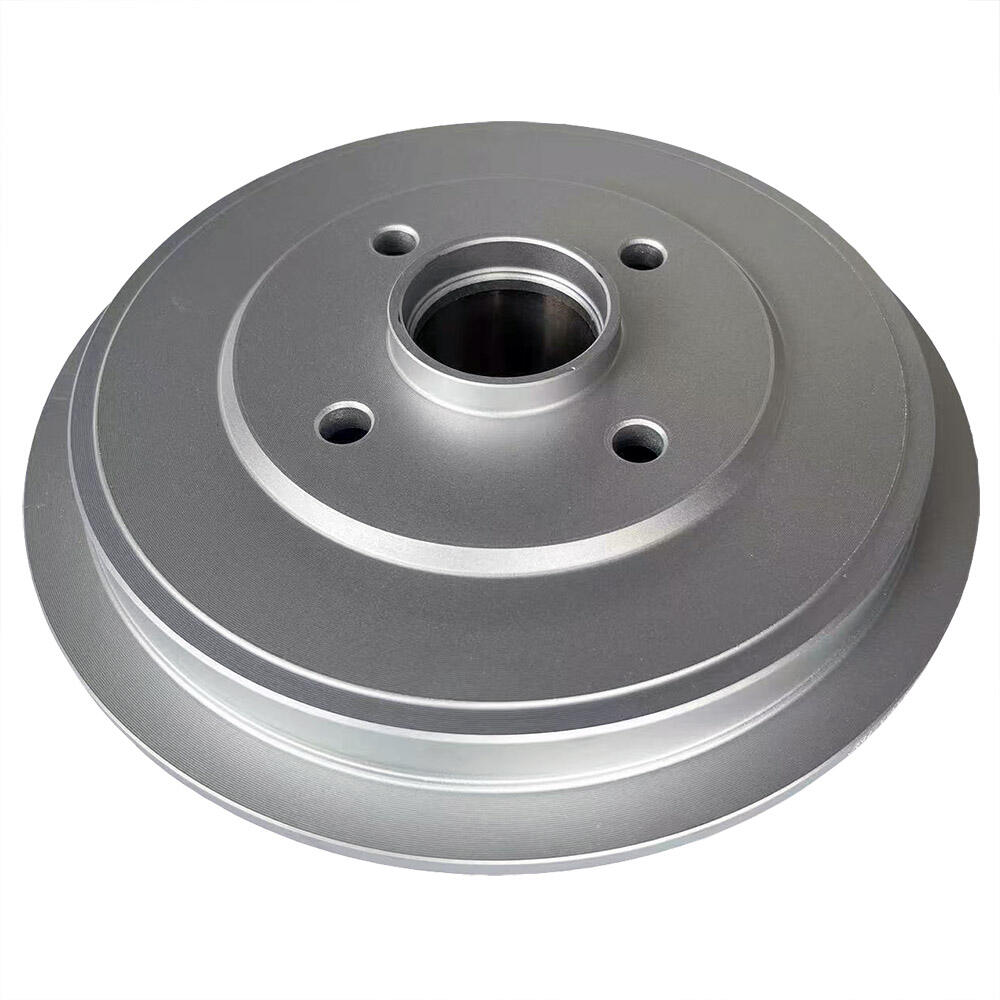
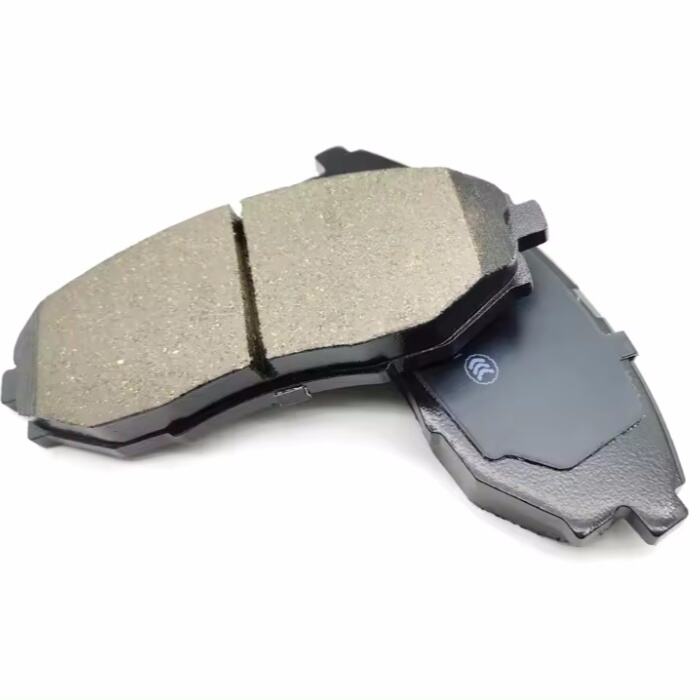
In the context of commercial vehicles and heavy-duty applications, the requirements for brake pads, or more specifically brake linings for drum systems, are exponentially magnified, focusing on exceptional durability, heat capacity, and reliability under constant high-load conditions. These brake pads are engineered with robust, often sintered metallic or specially formulated organic compounds designed to withstand the immense thermal energy generated from slowing much heavier masses, such as trucks and buses, while providing consistent stopping power over extended service intervals. The design often incorporates broader contact areas and specific geometries to match large brake drums or heavy-duty brake discs, and their attachment methods—frequently using rivets in addition to bonding for brake lining—ensure the friction material remains securely fixed under extreme vibration and stress. Maintenance schedules for these components are strict and data-driven, as downtime is costly, and the failure of a brake pad in a commercial setting carries significant safety risks; therefore, regular measurement of lining thickness and inspection for heat checking or cracking are standard procedures. The interplay between these heavy-duty brake pads and other components like brake drums or wheel hub bearings is critical, as any imbalance or wear in the foundation brakes can lead to accelerated, uneven wear of the friction material, increasing operating costs and potential safety hazards. Furthermore, the evolution of fleet management includes telematics that monitor braking habits and can predict brake pad wear, optimizing replacement schedules for efficiency and safety. This segment of the market underscores that while the fundamental principle of the brake pad remains consistent—to create friction and slow rotation—the engineering solutions scale dramatically to meet the formidable demands of keeping global commerce moving safely, representing a specialized and vital field within friction material science.