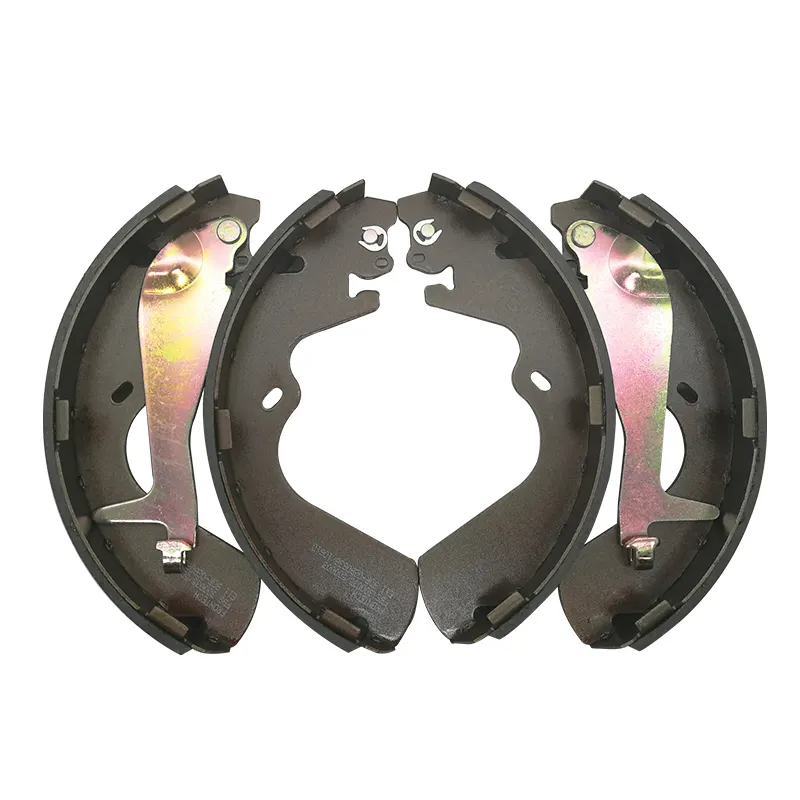
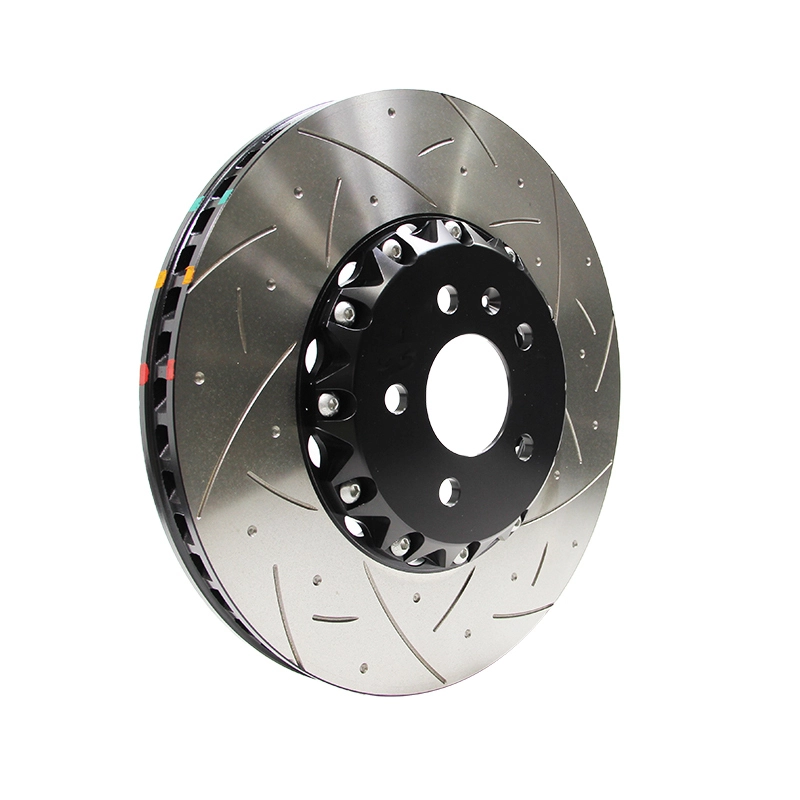
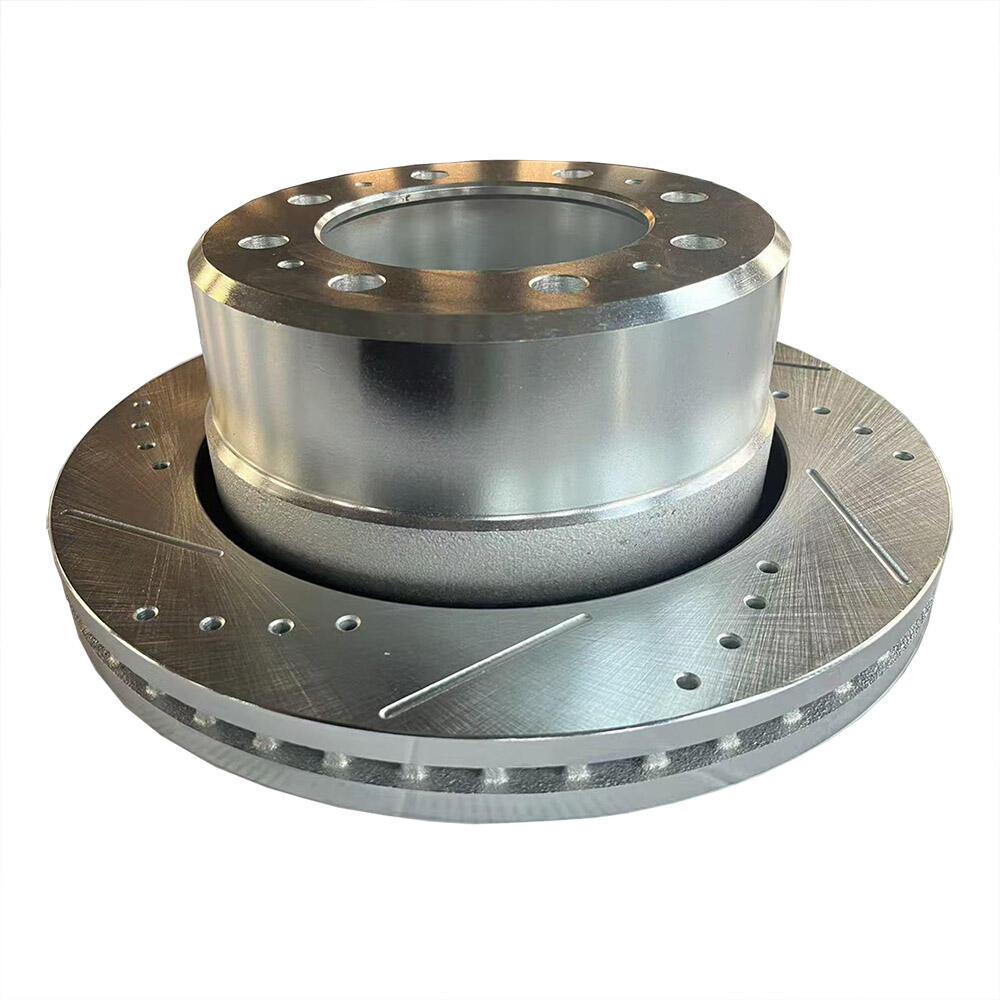

A comprehensive examination of the brake drum reveals it as a finely balanced component critical for translational motion control. Its efficacy depends on maintaining geometric truth under thermal and mechanical loads. The casting integrity, ensuring absence of sand inclusions or porosity, is foundational for its durability. During braking, the friction surface temperature can spike dramatically, making the drum's thermal conductivity and specific heat capacity key material selection criteria. Engineers combat heat-related issues by optimizing the drum's cross-sectional profile and, in some cases, incorporating materials like vermicular graphite iron for better thermal stability. The interface with the brake shoe is dynamic; wear products, temperature, and humidity all influence the friction coefficient. Diagnostic indicators for brake drum problems extend beyond obvious wear to include subtle signs like a pronounced need for brake pedal effort or a brake system that seems to require frequent adjustment. Proper installation is equally crucial: the drum must sit perfectly flush on the hub, cleaned of all rust and debris, and be secured with lug nuts torqued in the correct sequence to avoid distortion. In the context of vehicle safety systems, the drum often doubles as the anchor for the parking brake, requiring it to withstand static loads without deformation. Its continued use in modern vehicles, especially on rear axles, speaks to its proven reliability and economic viability when applied appropriately. Hence, a detailed discourse on the brake drum should encapsulate its manufacturing quality controls, its performance under real-world operating stresses, the comprehensive checklist for its service and replacement, and its evolving yet persistent role in meeting diverse global automotive safety and performance standards.